Gratis 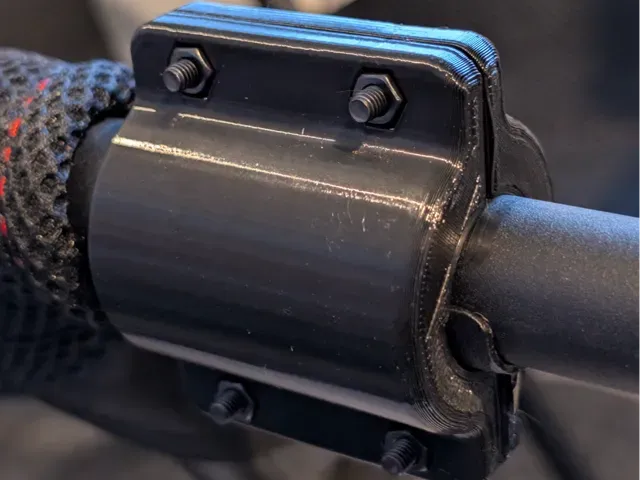
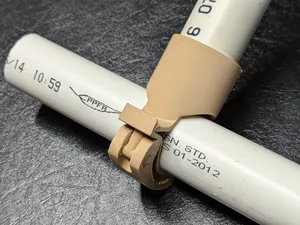
Playseat Challenge Quick-Release Lock
MakerWorld
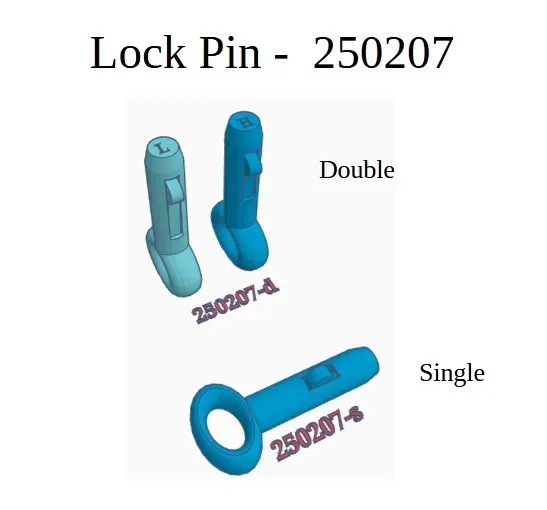
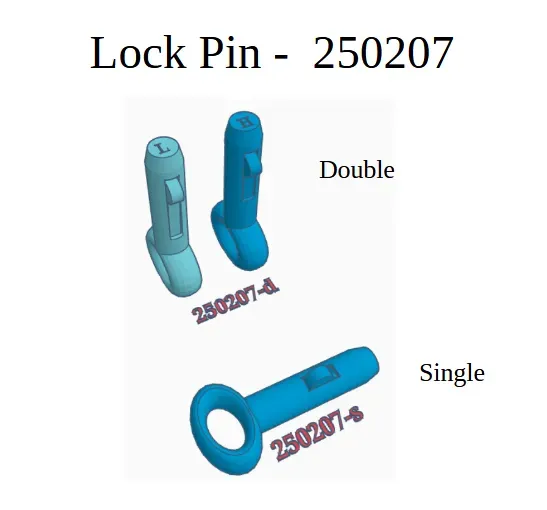
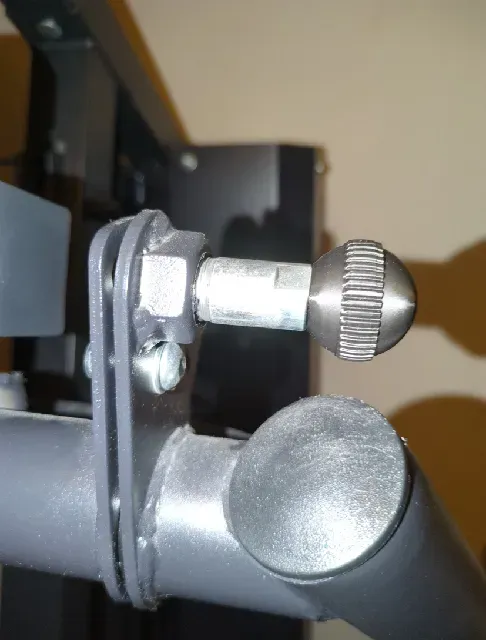
This collection gathers 3D models of quick-release locks: pins, buckles, clips, mounts and locking parts for stands, rigs and equipment. The parts differ a lot in how they hold and how they are released, so the list is useful when you need a mechanism rather than a decorative object. Each entry is an STL or similar file meant for a 3D printer, and the details live on the author's page. Polyzon does not confirm whether models are free, their price, license, official status, affiliation, safety or fitness. Check the current terms at the source.
Il testo di questa raccolta è in inglese; la ricerca funziona in qualsiasi lingua.
 Una raccolta di Polyzon · 48 modelli da 6 siti
Polyzon compone questa raccolta a partire dai risultati di ricerca dei siti collegati. I doppioni e i modelli senza anteprima vengono rimossi, le corrispondenze deboli finiscono in fondo e il resto mantiene l’ordine dei risultati. I modelli appartengono ai rispettivi autori: verifica le condizioni sulla pagina di ciascun modello.
Criteri di selezione a cura della redazione di Polyzon · Testo aggiornato: 12/10/2026

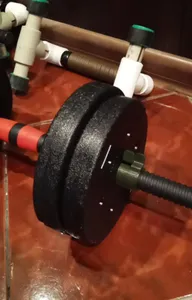

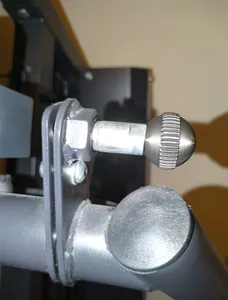
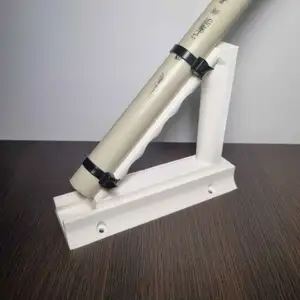


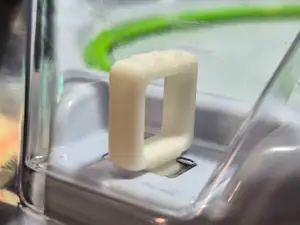
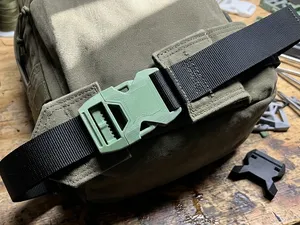
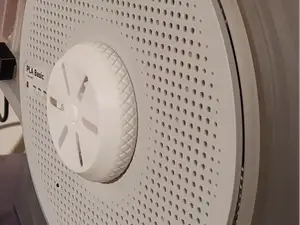

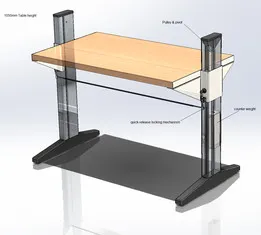
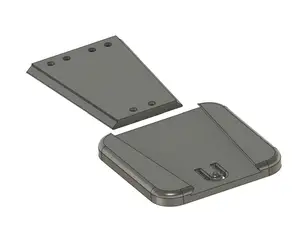
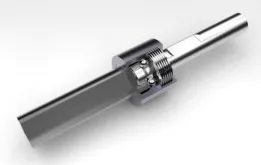
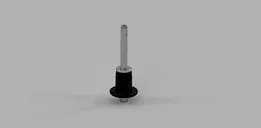


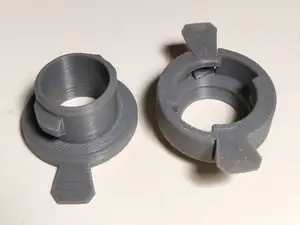
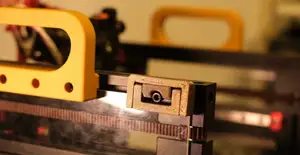

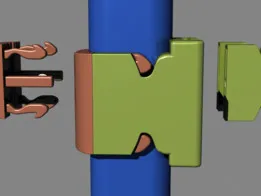
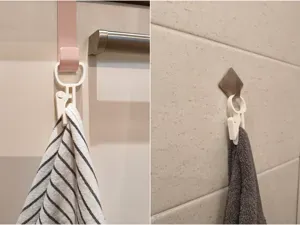


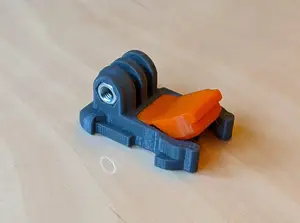
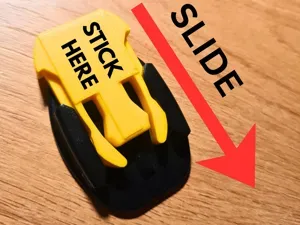
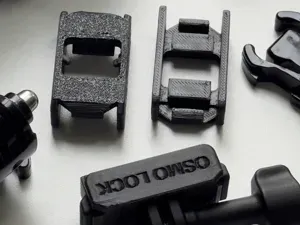
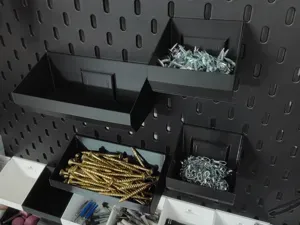


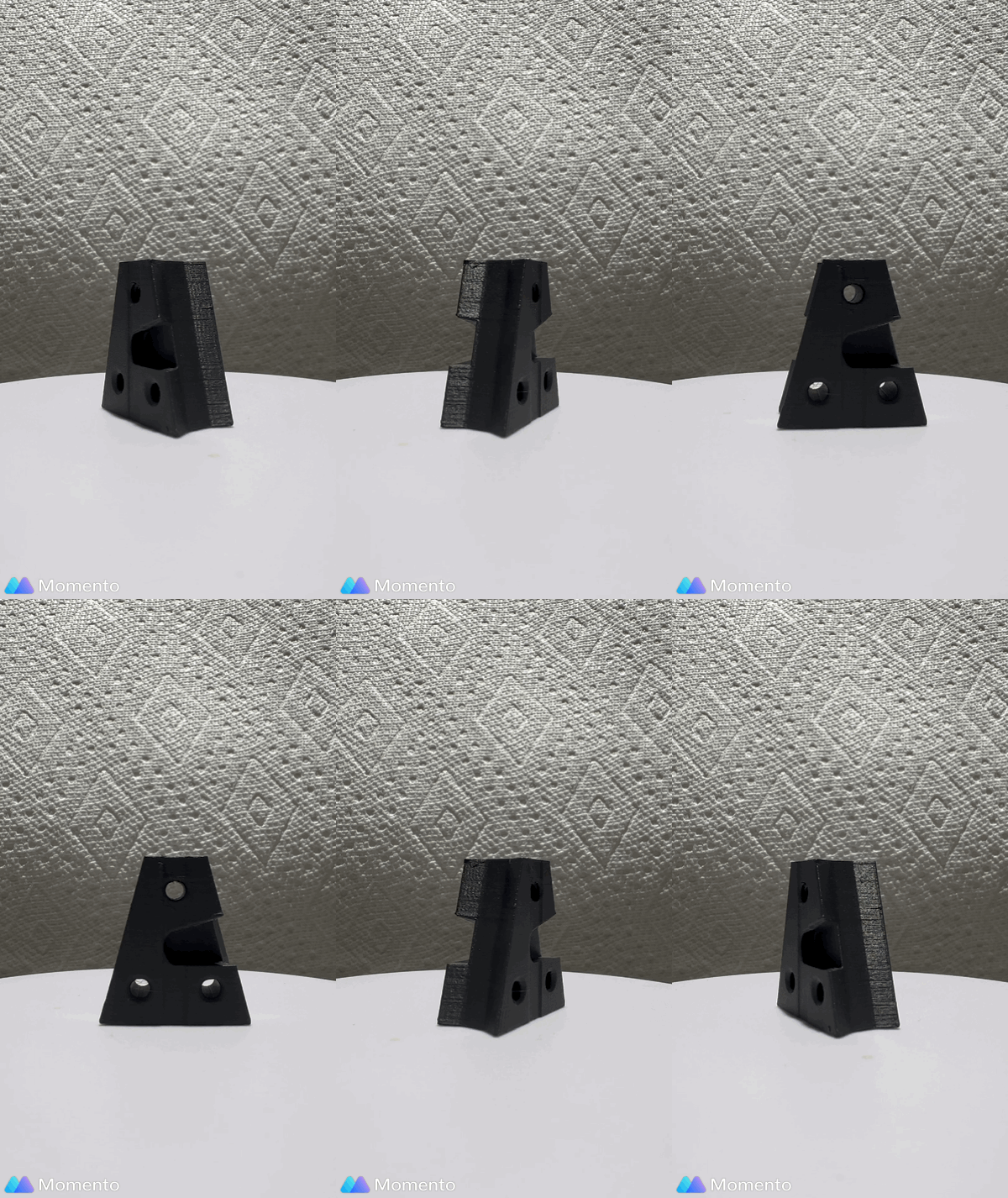


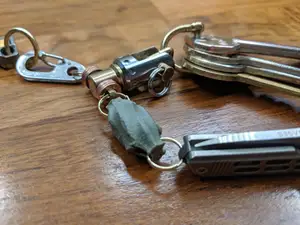
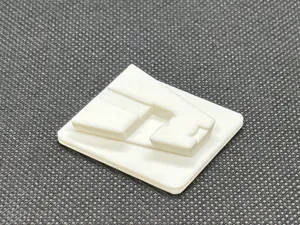


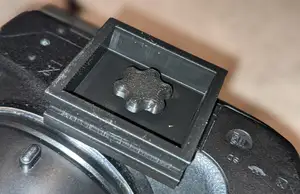

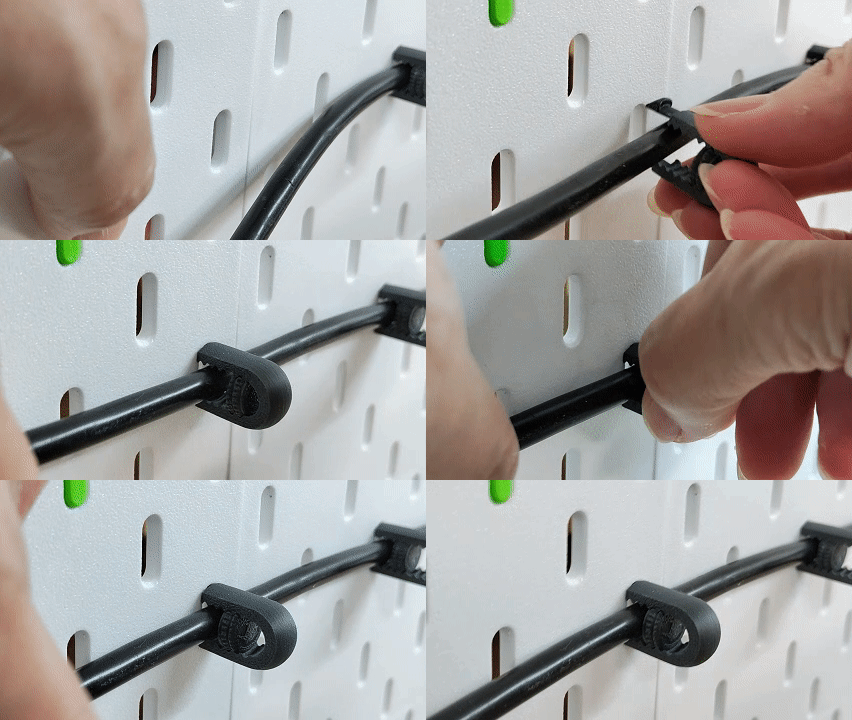
The most common groups are pins and ball-lock pins, buckles and snap clips, camera and action-camera mounts, and locks built into stands, rigs or machine parts. Pins usually rely on a spring, a ball or a split end to hold position, while buckles and clips work with a flexible tab or a lever. Mounts add a plate or a rail so the two halves separate in one movement. Some models are single printed pieces; others combine printed bodies with screws, springs or threaded inserts.
When choosing a model, open the author's page and read the listed dimensions first: pin diameter and length, thread size, plate spacing and the travel needed to release. Check how many parts are involved, whether the mechanism needs metal hardware, and whether the author shows supports or orientation for the moving sections. Look at photos of real prints to judge clearances and wall thickness around the flexing tab. Material and settings matter here, since a latch that flexes needs a different approach than a rigid pin body.
To widen the results, search for the mechanism rather than the object: quick release, snap lock, ball lock pin, latch, coupler, clamp or buckle. Adding the thing it attaches to helps — camera mount, gym equipment, rod holder, workbench, spool holder. Related terms such as detent, spring pin, cam lock or tool-less fastener often surface models that the main phrase misses. If a result is close but the wrong size, look at the author's other files before giving up on the idea.



Il catalogo completo dei temi, dalla casa alla lavorazione CNC, con ricerca su tutti i siti collegati.