Gratis 
Cheetah (BJD)
Thingiverse
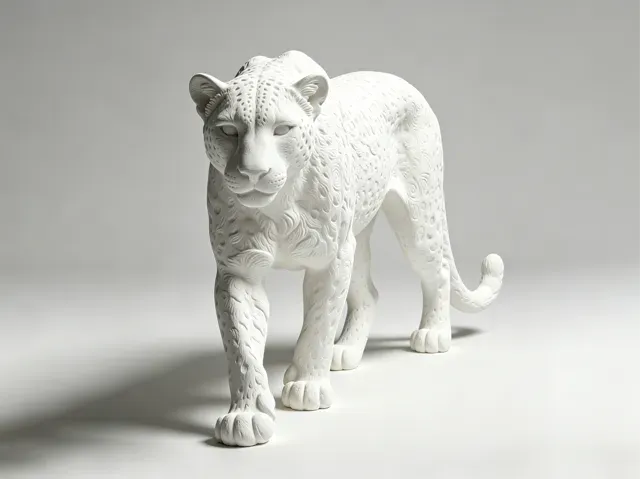
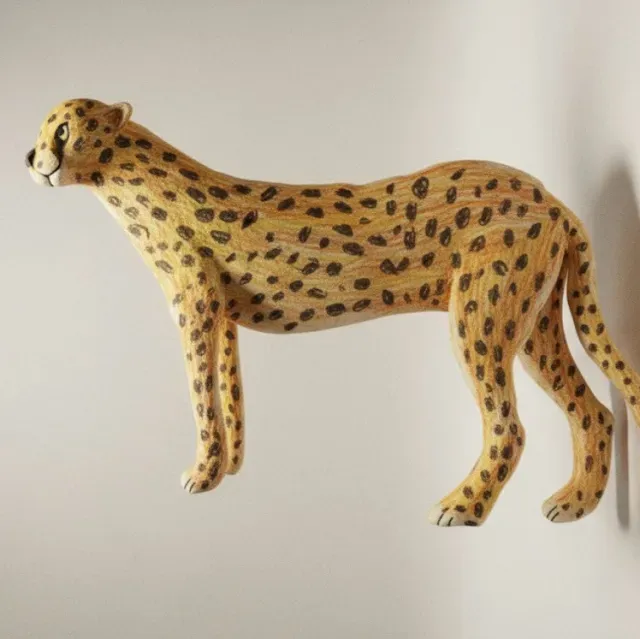
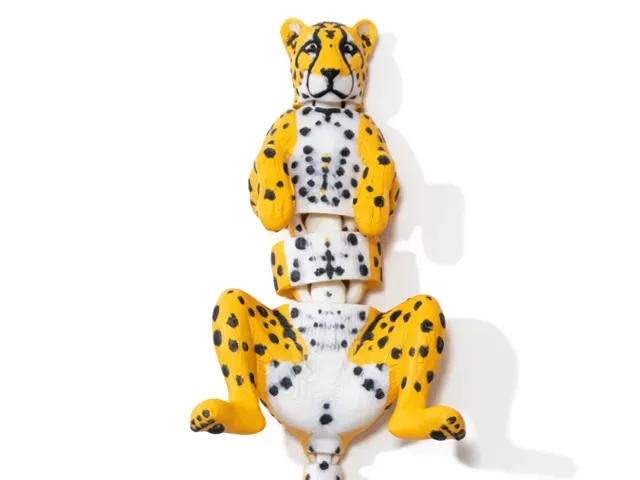
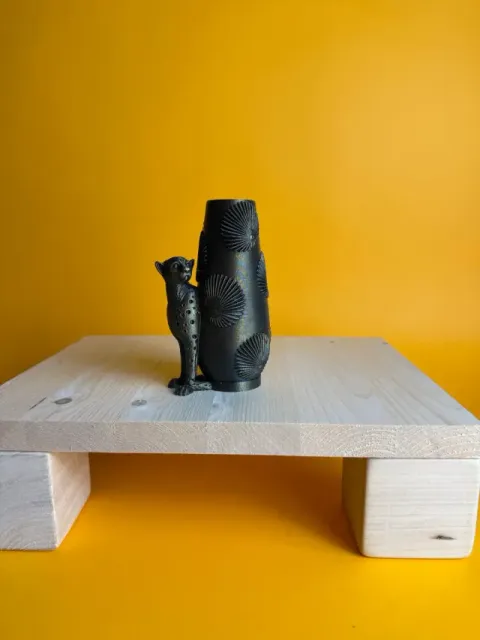
This collection gathers cheetah-themed 3D models: articulated figures, small fidget toys, sculpted busts and a few decorative pieces. Most files are made for FDM 3D printing, with a smaller share aimed at resin. It helps you compare approaches quickly before opening the author's page. Polyzon does not confirm whether models are free, their price, license, official status, affiliation, safety or fitness. Check the current terms at the source.
Il testo di questa raccolta è in inglese; la ricerca funziona in qualsiasi lingua.
 Una raccolta di Polyzon · 41 modelli da 3 siti
Polyzon compone questa raccolta a partire dai risultati di ricerca dei siti collegati. I doppioni e i modelli senza anteprima vengono rimossi, le corrispondenze deboli finiscono in fondo e il resto mantiene l’ordine dei risultati. I modelli appartengono ai rispettivi autori: verifica le condizioni sulla pagina di ciascun modello.
Criteri di selezione a cura della redazione di Polyzon · Testo aggiornato: 15/10/2026
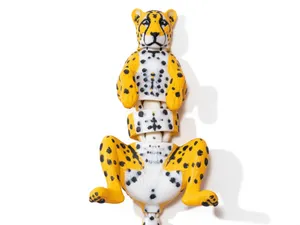
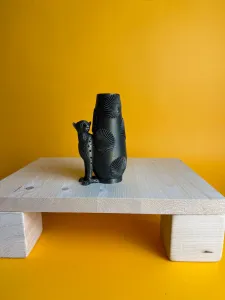
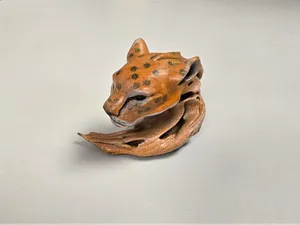
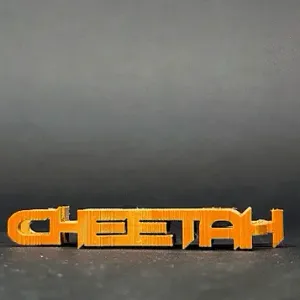
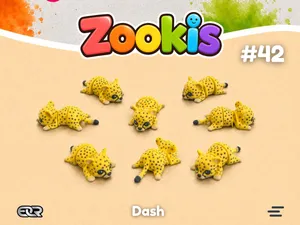
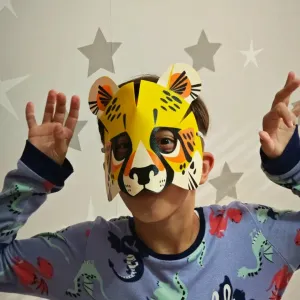
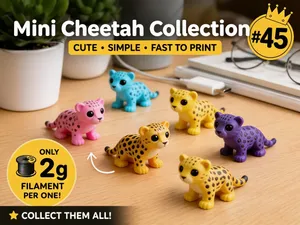
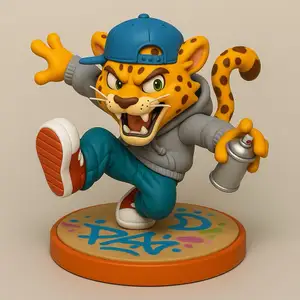
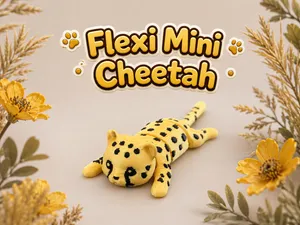
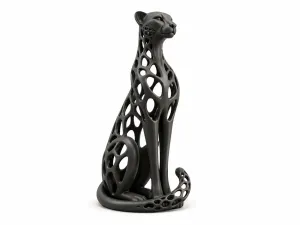
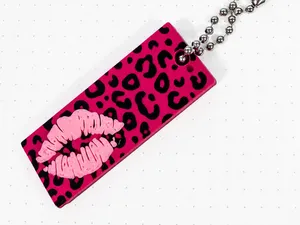
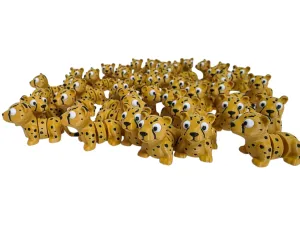
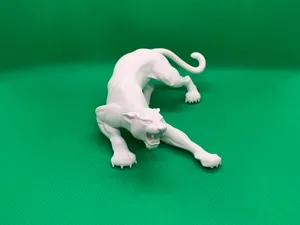
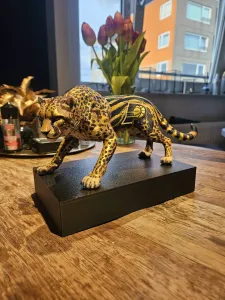
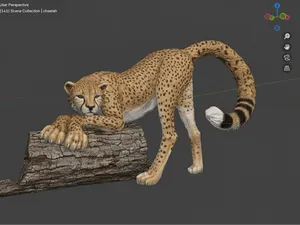
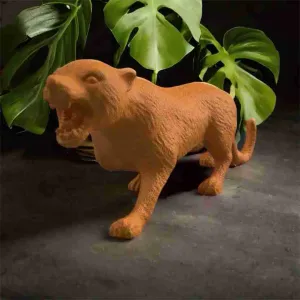
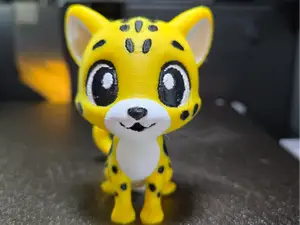
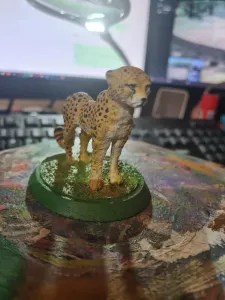
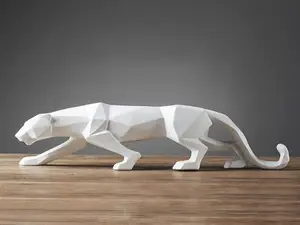
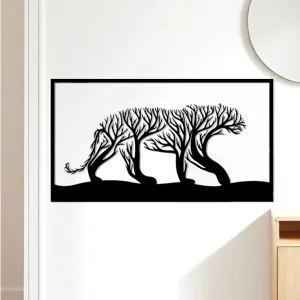
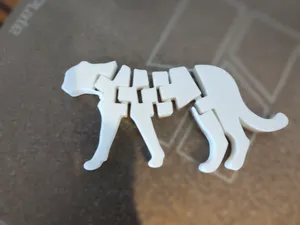
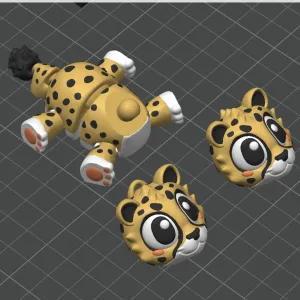
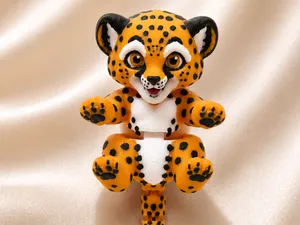
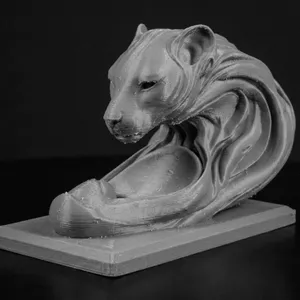
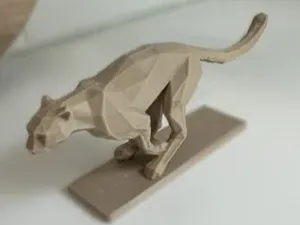
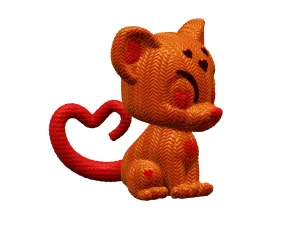
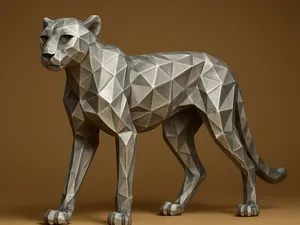
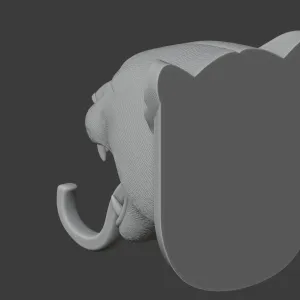
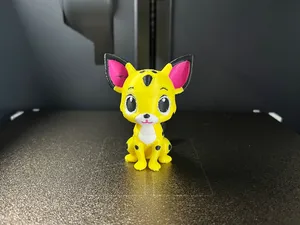
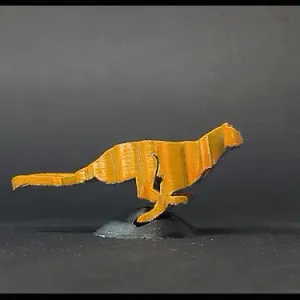
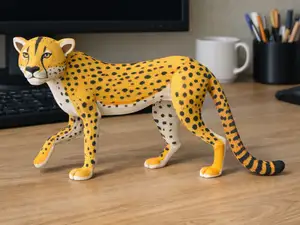
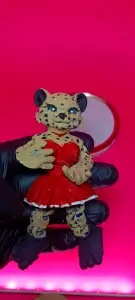
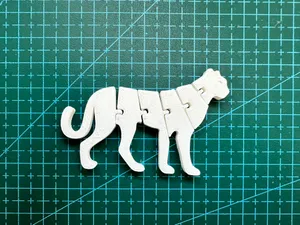
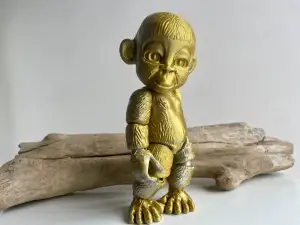
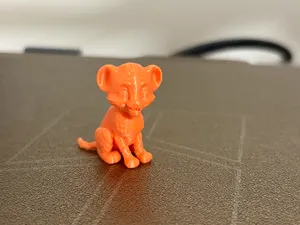
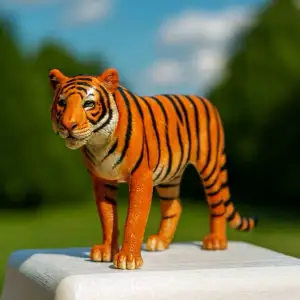
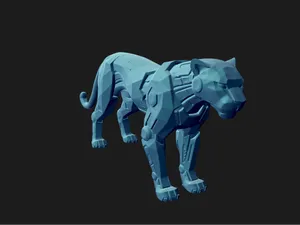
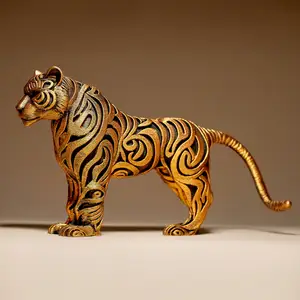
The flexible and articulated figures are usually built as one piece with hinged joints, so the animal bends and curls after printing. Miniature fidget versions are smaller and often print in place, which makes them a different kind of project than a full-size figurine. Busts and anatomical studies go the other way: they focus on proportion, muscle and pose rather than movement, and they often need supports. Decorative items such as vases, masks or small poppers borrow the cheetah shape or its spotted pattern for a functional object.
Before printing, look at the scale the author states and decide whether it fits your build volume. Check how many separate parts a model has, whether they are meant to be glued or snapped, and whether the file needs supports or can be printed without them. The material and settings listed on the model page matter for thin legs, tails and joint gaps, since those areas behave differently in PLA, PETG or resin. Photos of real prints, if the author shows them, tell you more about surface detail and joint clearance than a render does.
Search results widen if you try related wording: big cat, feline, leopard, or the pose and style, such as stretching, running, low poly, voronoi or graffiti. Terms like flexi, articulated or print-in-place point to moving figures, while bust, sculpture or figurine lead to static display pieces. Adding a use case, for example desk toy, keychain, vase or mask, narrows the list further. Combining an animal name with a style word usually gives the most useful mix.
A model that looks simple in a preview can still have thin ankles, a long tail or tight joint gaps that decide how it prints. Reading the description first saves a failed attempt.



Il catalogo completo dei temi, dalla casa alla lavorazione CNC, con ricerca su tutti i siti collegati.