
Gratis 
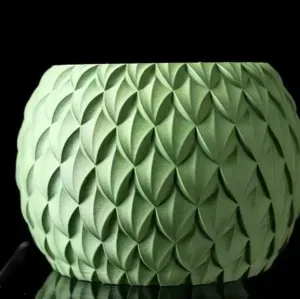
Dragon Scales Pot and Planter - Vase mode
Printables
This collection covers dragon-scale subjects for 3D printing, from jointed dragons and small flexi figures to scale-textured vases, planters and chainmail-style sheets. It helps you compare how each type is built and printed before you commit filament and time. Most entries are shared as STL files, so a quick look at the author's page tells you what a 3D printer actually has to do. Polyzon does not confirm whether models are free, their price, license, official status, affiliation, safety or fitness. Check the current terms at the source.
Il testo di questa raccolta è in inglese; la ricerca funziona in qualsiasi lingua.
 Una raccolta di Polyzon · 48 modelli da 5 siti
Polyzon compone questa raccolta a partire dai risultati di ricerca dei siti collegati. I doppioni e i modelli senza anteprima vengono rimossi, le corrispondenze deboli finiscono in fondo e il resto mantiene l’ordine dei risultati. I modelli appartengono ai rispettivi autori: verifica le condizioni sulla pagina di ciascun modello.
Criteri di selezione a cura della redazione di Polyzon · Testo aggiornato: 12/10/2026


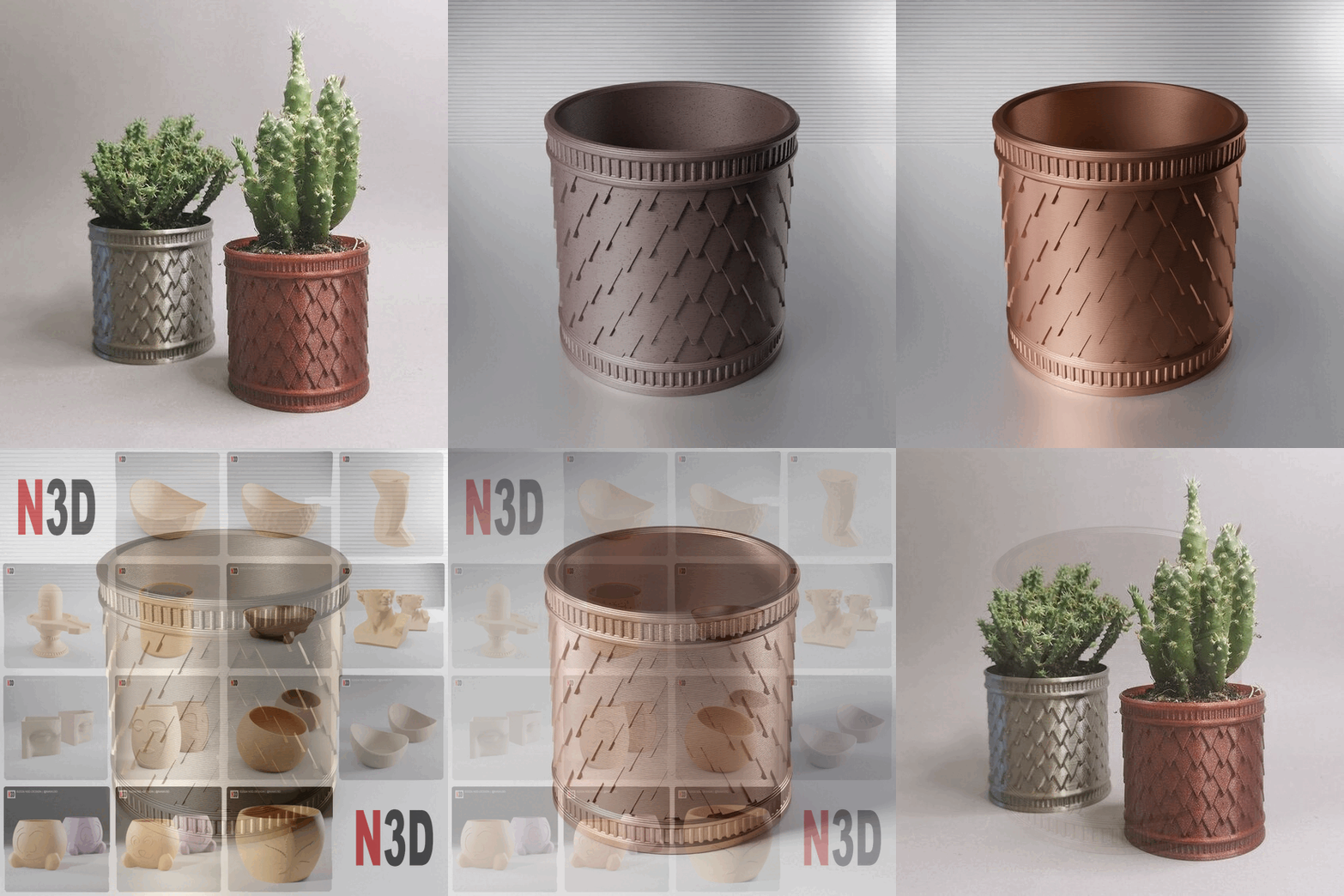

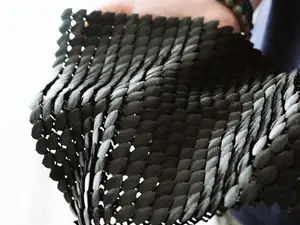


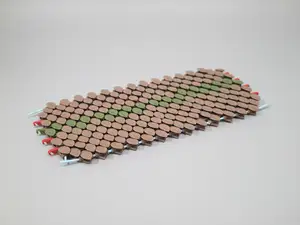
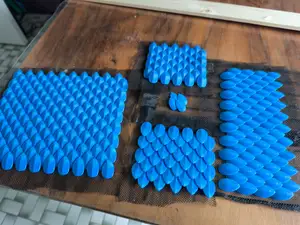
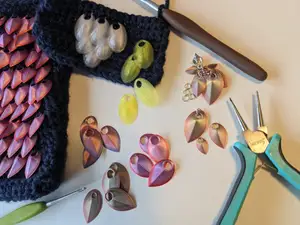


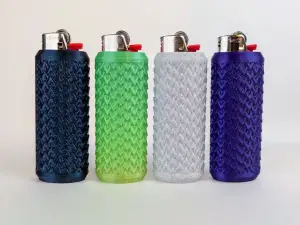


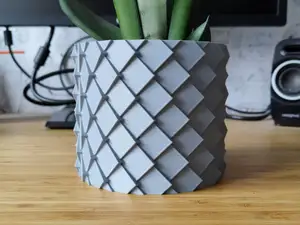
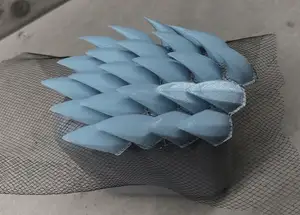
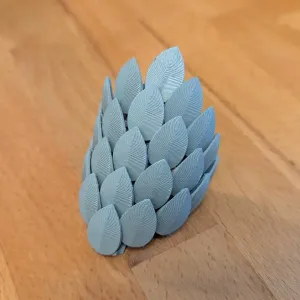


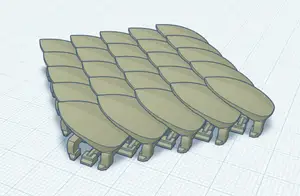


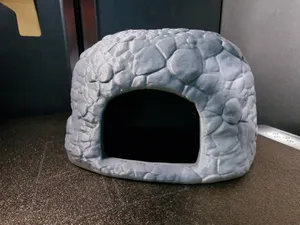

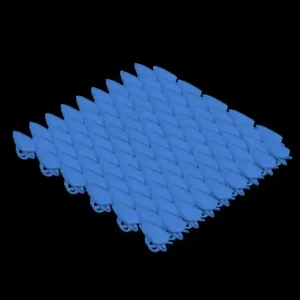


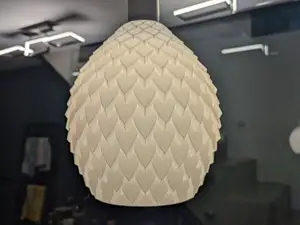
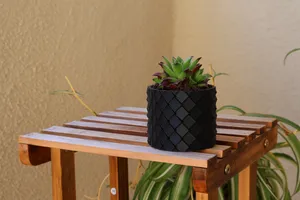


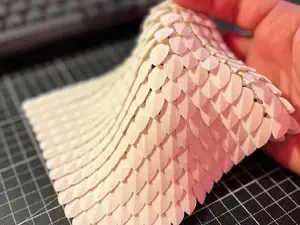
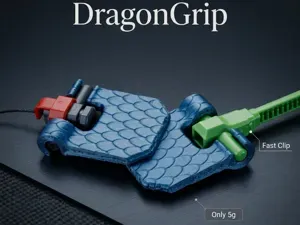
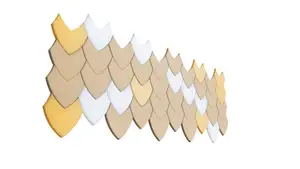
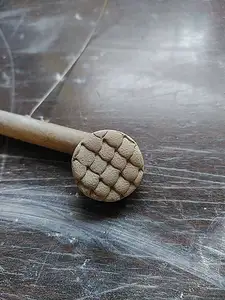

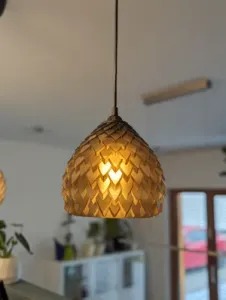
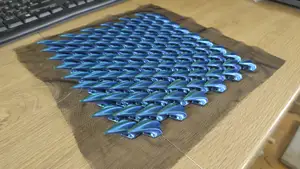
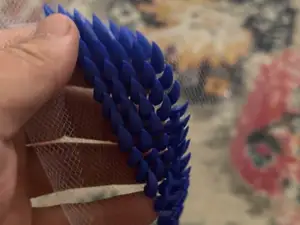
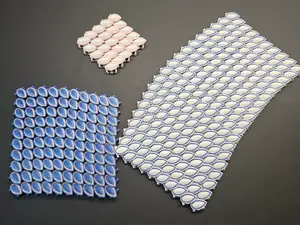
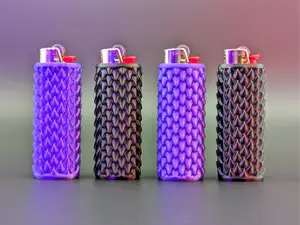
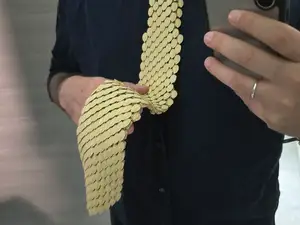
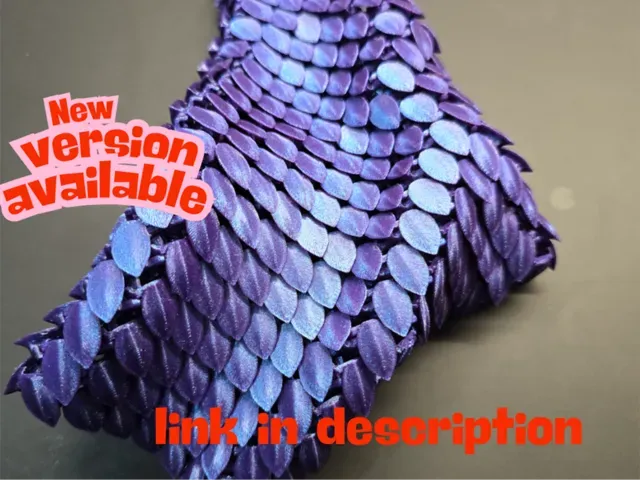
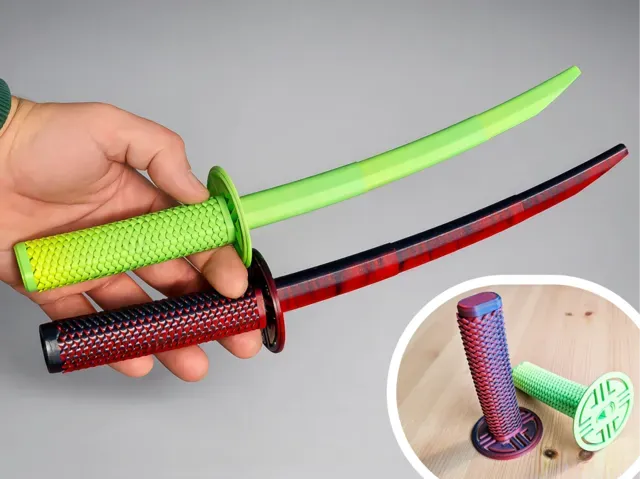
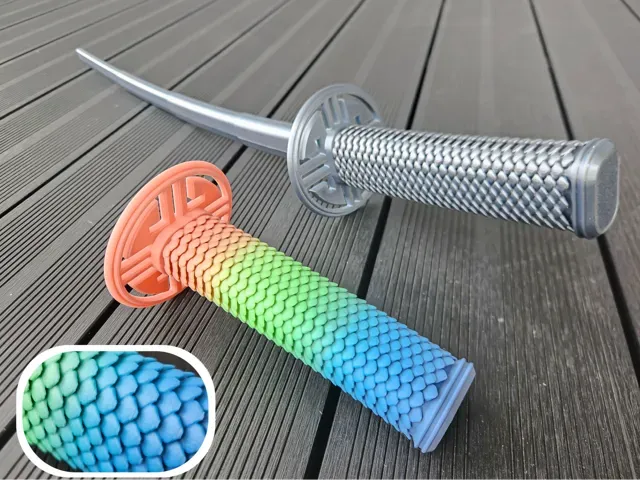
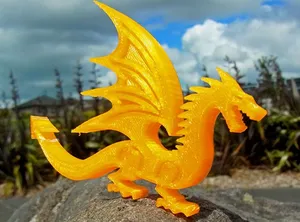
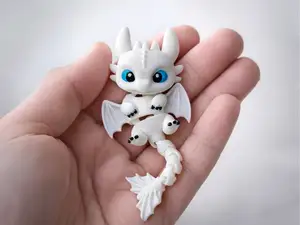
The models fall into a few distinct groups. Articulated dragons are printed as one piece with moving joints built into the geometry, while scale-textured vases and planters are usually tall, thin-walled shapes made in vase mode. Fabric and chainmail pieces work differently again: they are made of many small interlocking elements that only become flexible after printing. Small cute and flexi dragons sit at the other end of the scale, with fewer parts and shorter print times.
Before printing, read what the author lists on the model page. Check the overall size and scale, the number of separate parts and whether assembly or glue is involved, and whether the geometry needs supports. Look at the stated material, layer height and wall count, since thin scale patterns and joint clearances behave differently at different layer heights. Photos of real prints are the most useful reference for surface detail and how the joints move.
Search results widen quickly if you try related wording. Terms such as articulated, flexi, print-in-place and jointed describe the same family of moving figures, while scale texture, vase mode and planter point to decorative hollow shapes. Chainmail, fabric and interlocking tiles cover the flexible sheet type. Related subjects worth trying include wyverns, serpents, fantasy creatures, dragon eggs and cosplay armor scales.



Il catalogo completo dei temi, dalla casa alla lavorazione CNC, con ricerca su tutti i siti collegati.