
Gratis 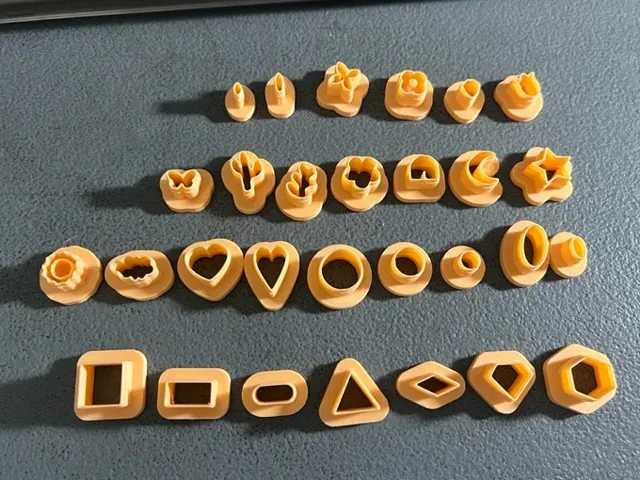
Micro Shapes - Polymer Clay Cutter Set - 29 pcs
MakerWorld
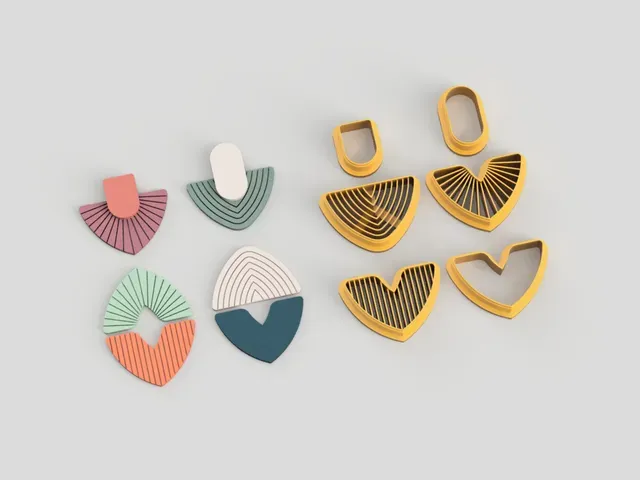
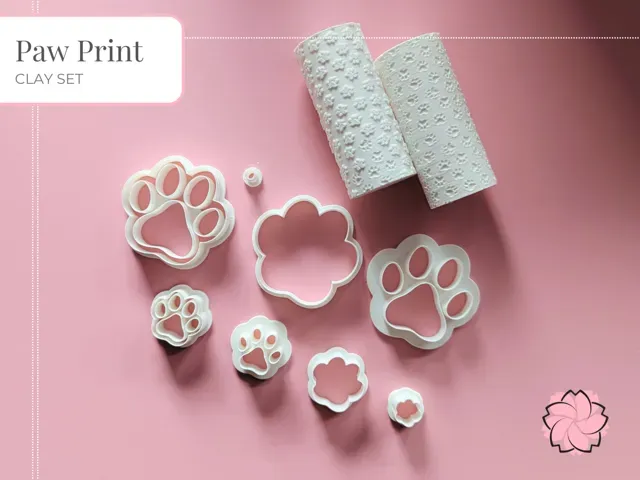
This collection gathers STL files for clay cutters used with polymer clay and similar modelling compounds. It covers floral, geometric, animal and earring shapes, along with cutters that pair a cutting outline with a press plate or embosser. The files are made for 3D printing, so a cutter can be produced in the size and wall thickness a project calls for. Polyzon does not confirm whether models are free, their price, license, official status, affiliation, safety or fitness. Check the current terms at the source.
Il testo di questa raccolta è in inglese; la ricerca funziona in qualsiasi lingua.
 Una raccolta di Polyzon · 48 modelli da 4 siti
Polyzon compone questa raccolta a partire dai risultati di ricerca dei siti collegati. I doppioni e i modelli senza anteprima vengono rimossi, le corrispondenze deboli finiscono in fondo e il resto mantiene l’ordine dei risultati. I modelli appartengono ai rispettivi autori: verifica le condizioni sulla pagina di ciascun modello.
Criteri di selezione a cura della redazione di Polyzon · Testo aggiornato: 13/10/2026


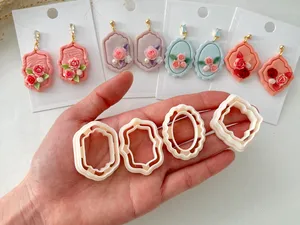
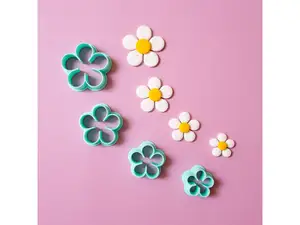


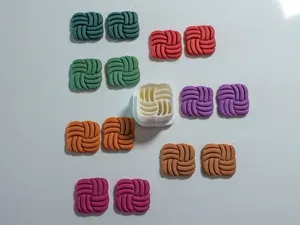
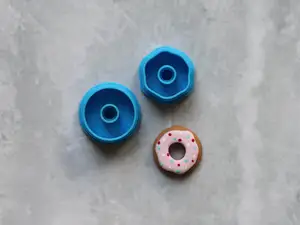
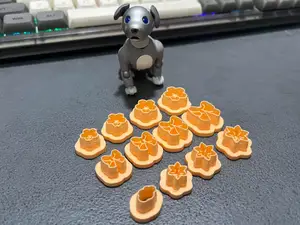

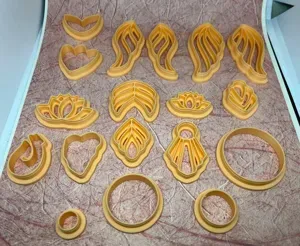
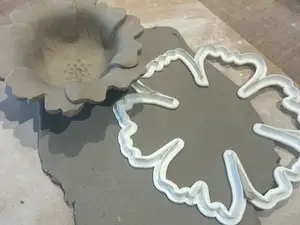

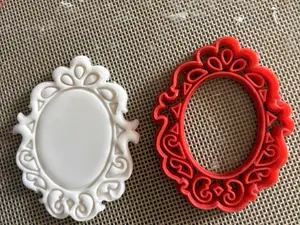
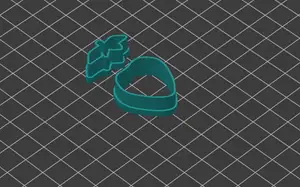
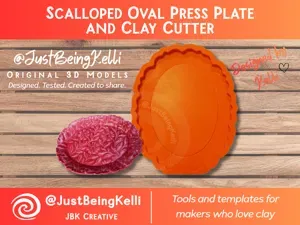
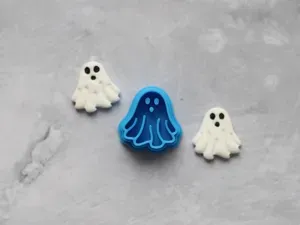

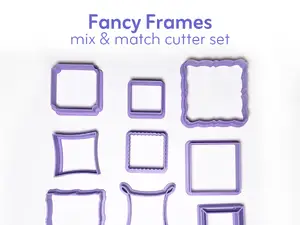


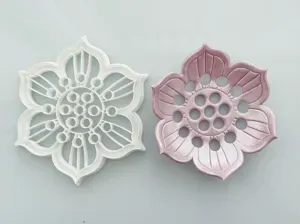

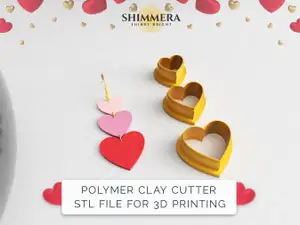


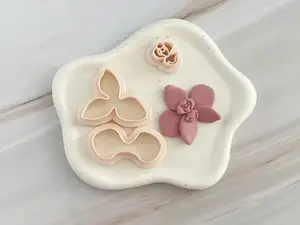
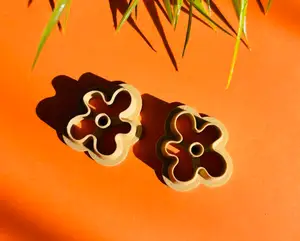
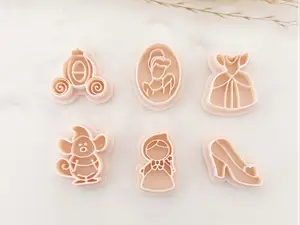
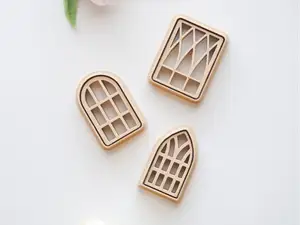

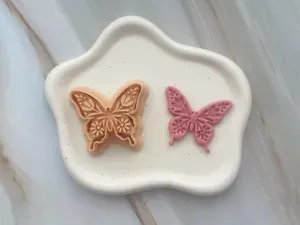
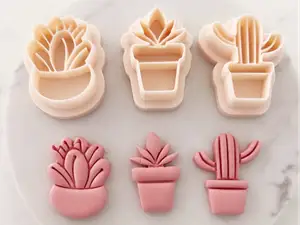
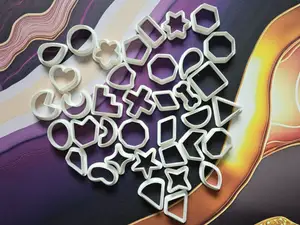
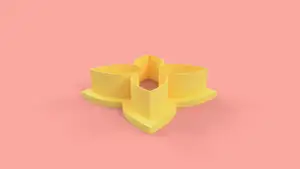
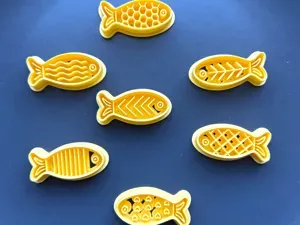
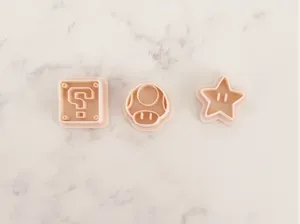


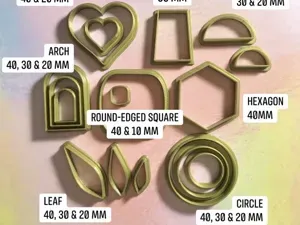


Cutters differ mainly in how they cut and what they leave behind. A plain outline cutter gives a clean silhouette, while a cutter with a matching press plate or embosser adds a relief pattern to the same shape. Sets group several small shapes for earring pairs, whereas single cutters focus on one motif. Scale varies too: some shapes are sized for small earring blanks, others for larger pendants or ornaments.
Before printing, read the model page for the dimensions the author lists and decide whether that size matches the piece you have in mind. Check the wall thickness of the cutting edge, since a thin rim flexes and a thick one leaves a wider impression. Look at how many parts the file contains and whether they assemble or print as one piece. Photos of real prints, plus the material and layer settings the author mentions, tell you more than the render does.
If the first results feel narrow, try other names for the same object: polymer clay cutter, earring cutter, clay embosser, press plate, or the cookie and fondant cutter terms that often describe the same geometry. Searching by motif works well, for example flower, leaf, geometric or animal shapes. Related topics such as clay stamps, earring blanks and jewelry making tools can also lead to cutters that fit the same workflow.



Il catalogo completo dei temi, dalla casa alla lavorazione CNC, con ricerca su tutti i siti collegati.