
Gratis 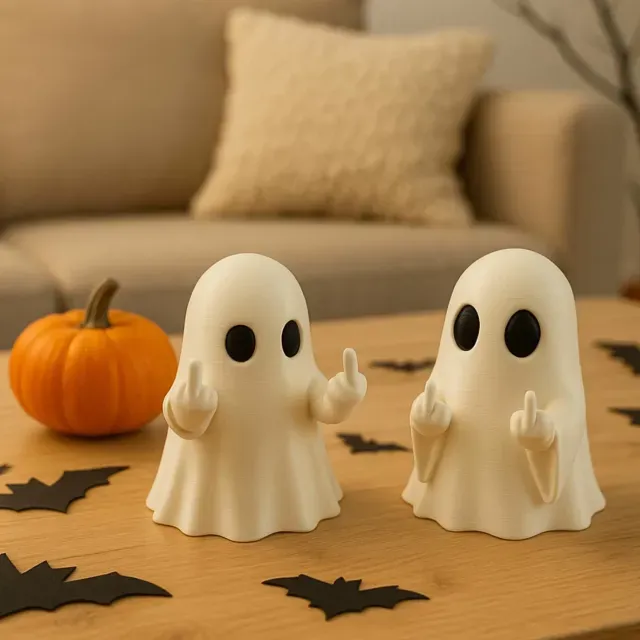
THE CHEEKY & RUDE GHOSTS (PAUL & TIM) / HALLOWEEN DECOR
Creality Cloud
Decorative 3D printing covers a wide range of objects, from vases and planters to seasonal figures and small desk pieces. This collection gathers models that people print mainly to look at or to give away, and the range of styles is broad. Because the files come from different authors, each model page is worth reading before you commit to a print. Polyzon does not confirm whether models are free, their price, license, official status, affiliation, safety or fitness. Check the current terms at the source.
Il testo di questa raccolta è in inglese; la ricerca funziona in qualsiasi lingua.
 Una raccolta di Polyzon · 46 modelli da 6 siti
Polyzon compone questa raccolta a partire dai risultati di ricerca dei siti collegati. I doppioni e i modelli senza anteprima vengono rimossi, le corrispondenze deboli finiscono in fondo e il resto mantiene l’ordine dei risultati. I modelli appartengono ai rispettivi autori: verifica le condizioni sulla pagina di ciascun modello.
Criteri di selezione a cura della redazione di Polyzon · Testo aggiornato: 15/10/2026





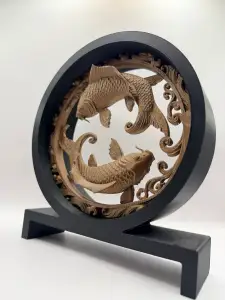
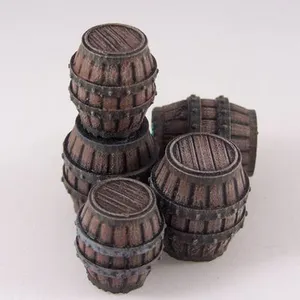
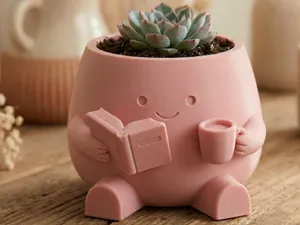




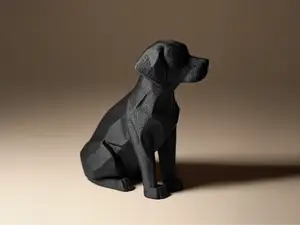


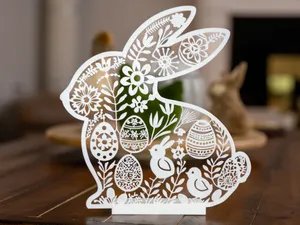




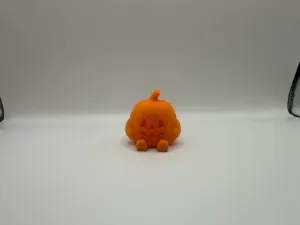
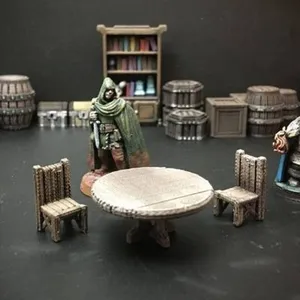
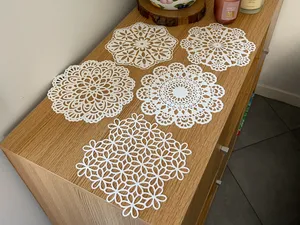
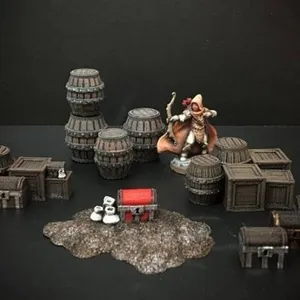

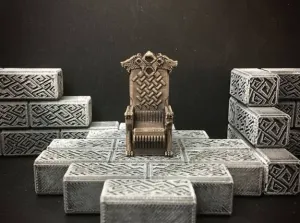
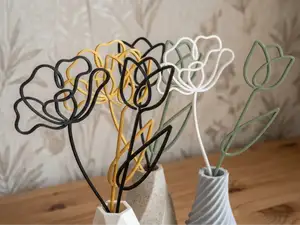


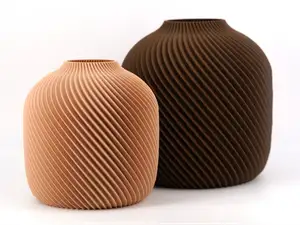
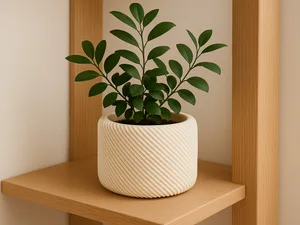
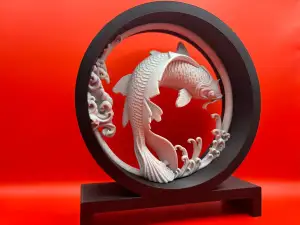

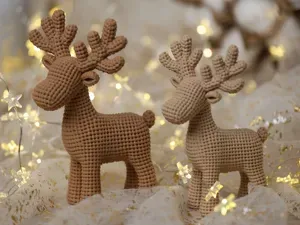
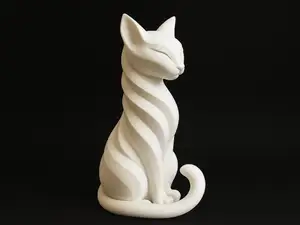
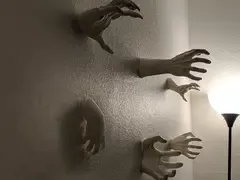

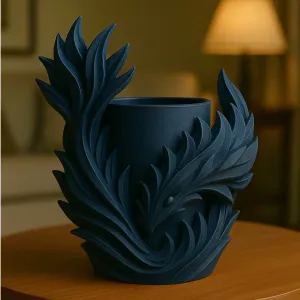


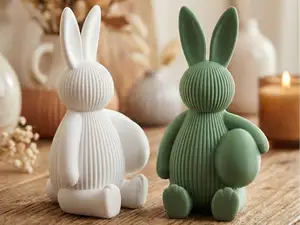
The models here fall into a few rough groups. Vases and planters often rely on thin, continuous walls and spiral or faceted profiles, while seasonal pieces such as holiday figures and silhouettes tend to be flatter and are frequently printed as single parts. Animal and character decor sits somewhere between the two: some are simple solid shapes, others have thin ears, tails or limbs that need slower speeds. Desk accents like pen holders and small organizers are usually built from a few straight-walled parts that stack or slot together.
When choosing a model, open the author's page and read what is listed there. Scale matters most for decor, since a vase or figure printed at the wrong size can look out of proportion on a shelf. Check the number of parts and whether assembly or glue is expected, whether the author notes that supports are needed, and which material and settings they used. Photos of actual prints are the most useful signal, because they show layer lines, surface finish and how the piece behaves in a real room.
If the first results feel narrow, try related wording. Searching for planters, pen holders, wall hangings, figurines or seasonal ornaments returns different sets than a plain decor query, and adding a style word such as minimalist, rustic or geometric shifts the results again. Scale and format terms help too: tabletop, miniature or life-size, and STL or 3MF depending on what your slicer handles. Combining an object word with a room, such as desk, shelf or entryway, usually narrows things faster than a single broad term.
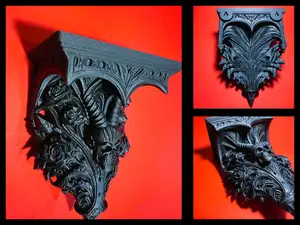


Il catalogo completo dei temi, dalla casa alla lavorazione CNC, con ricerca su tutti i siti collegati.