
Gratis 
tree with roots
Thingiverse
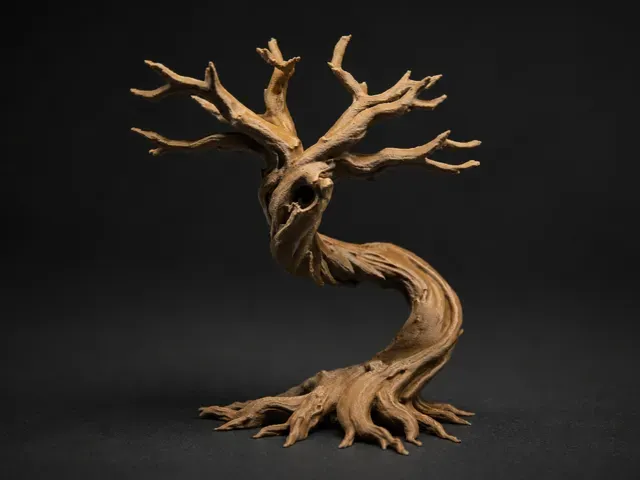
This collection gathers STL files for twisted trees with exposed roots, from gnarled dead trunks to arched root bridges and small tree-shaped buildings. It is useful when you need a natural or dark-fantasy element for a diorama, a tabletop scene or a decorative print. The models differ widely in scale, part count and how much support work they demand on a 3D printer. Polyzon does not confirm whether models are free, their price, license, official status, affiliation, safety or fitness. Check the current terms at the source.
Il testo di questa raccolta è in inglese; la ricerca funziona in qualsiasi lingua.
 Una raccolta di Polyzon · 48 modelli da 3 siti
Polyzon compone questa raccolta a partire dai risultati di ricerca dei siti collegati. I doppioni e i modelli senza anteprima vengono rimossi, le corrispondenze deboli finiscono in fondo e il resto mantiene l’ordine dei risultati. I modelli appartengono ai rispettivi autori: verifica le condizioni sulla pagina di ciascun modello.
Criteri di selezione a cura della redazione di Polyzon · Testo aggiornato: 14/10/2026

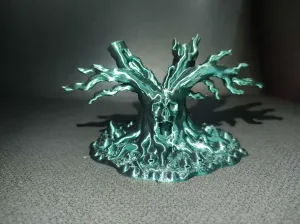

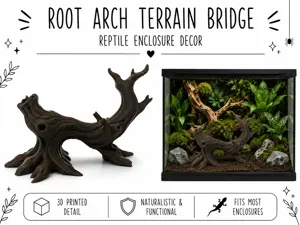
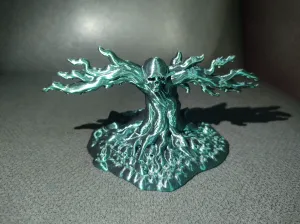

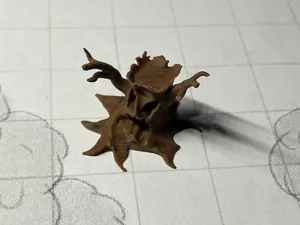
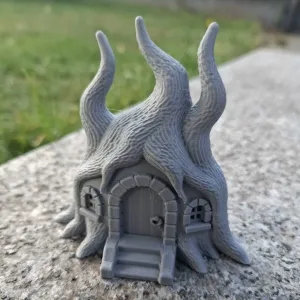

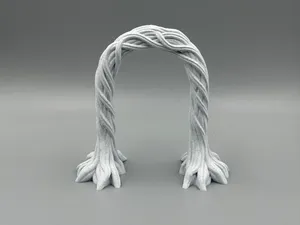
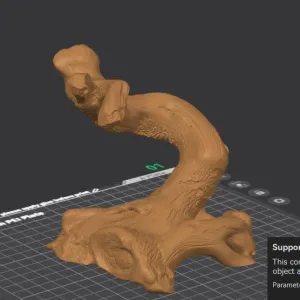

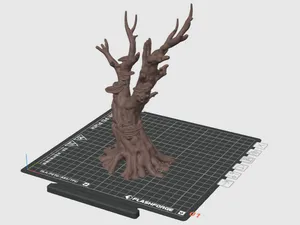
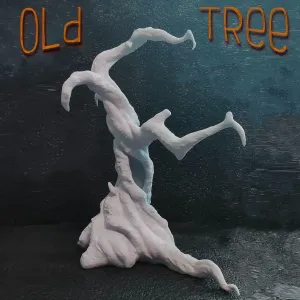

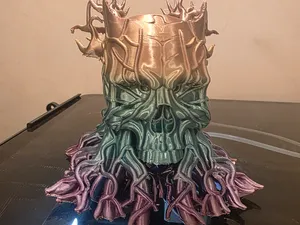
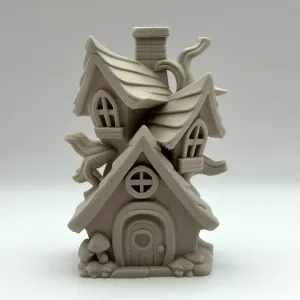

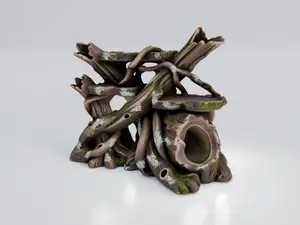
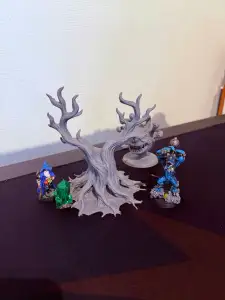

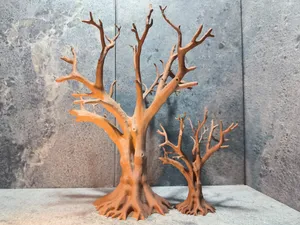


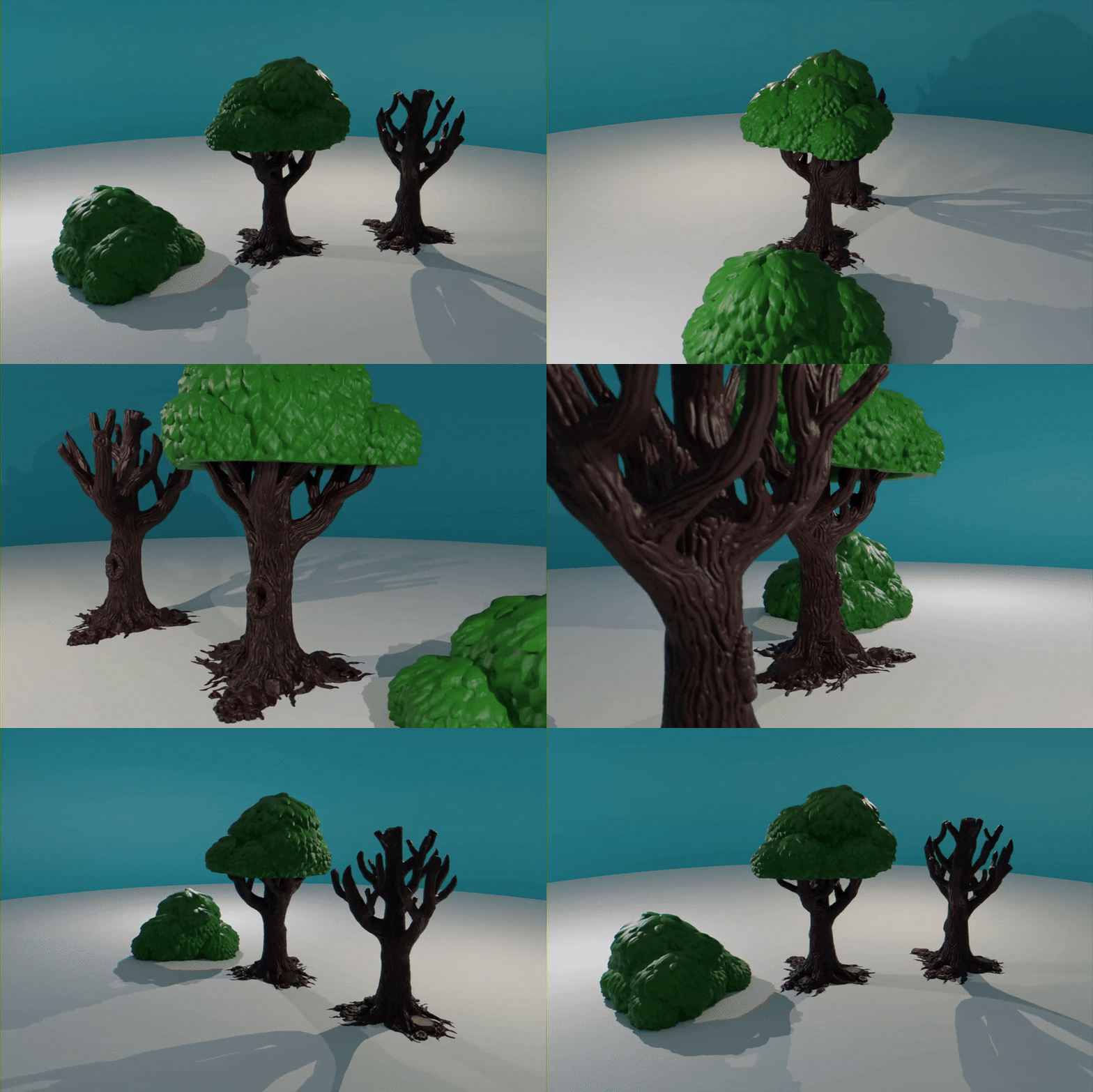
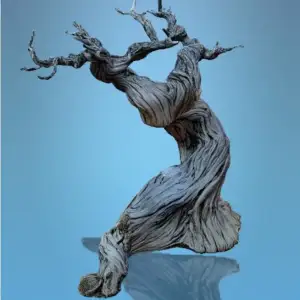


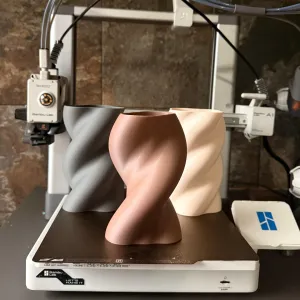


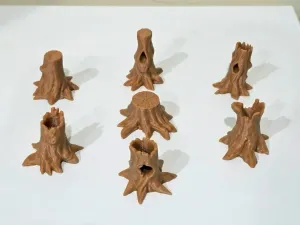

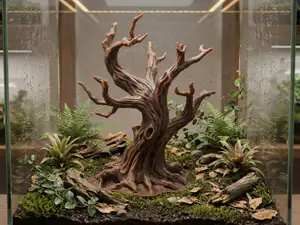
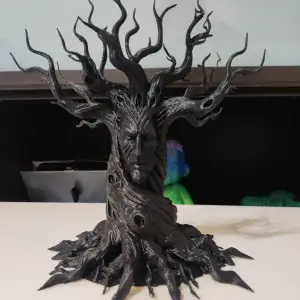

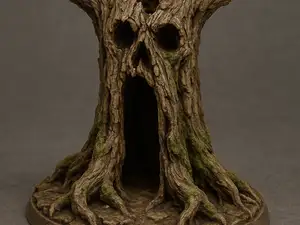
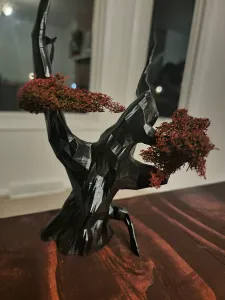

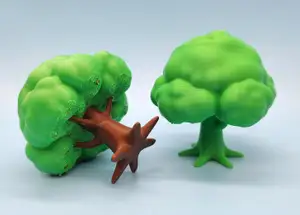
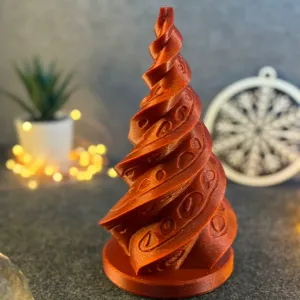

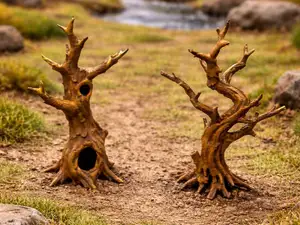

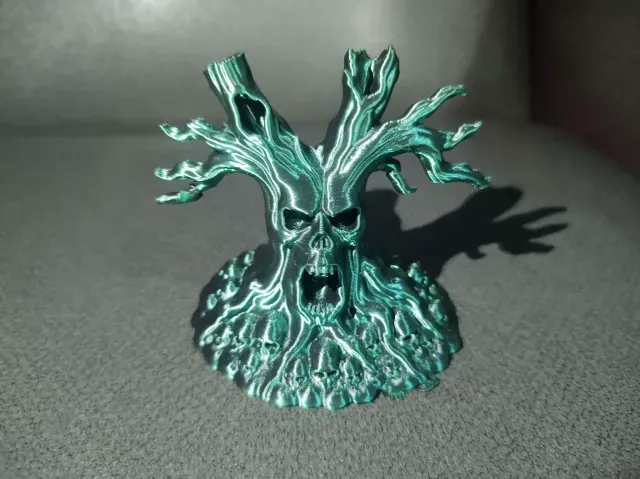
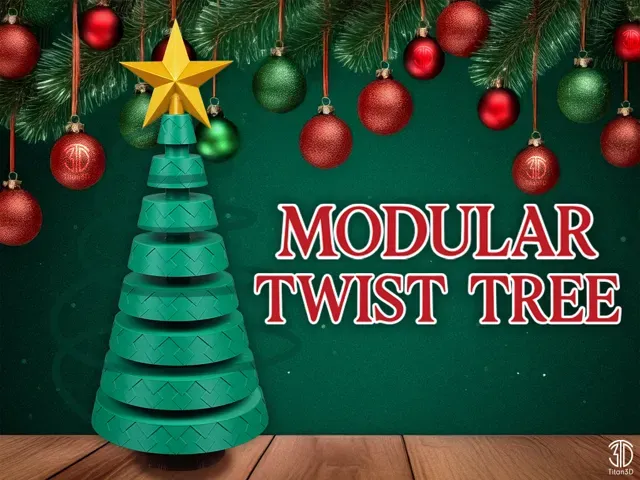
Several directions appear here. One is the dead or haunted tree, often with a carved face, skull or hollow bark, built as a single sculpted trunk with branches. Another is terrain-oriented: bonsai-style trees, root arches and grove pieces made to sit on a base next to other scenery. A third group is decorative or seasonal, where the twist is a stylistic pattern rather than a botanical shape, and a fourth covers tree houses and cottages built into a trunk.
When choosing, open the author's model page and read what is listed there. Check the overall size and scale, since a tabletop piece and a shelf ornament are printed at very different dimensions. Look at the number of separate parts and whether assembly or glue is involved, whether the author reports that supports are needed for the branches and roots, and which material and settings they used. Photos of real prints show how thin branches and root tips come out.
Twisted trunks are usually printed in a matte filament or resin, and orientation matters: branches that grow sideways or downward often need support, while a trunk printed upright may not. Hollow or thin root sections can be scaled up slightly to gain strength. To widen the search, try related terms such as gnarled, gnarled trunk, dead tree, bonsai, root bridge, mangrove, diorama terrain, haunted forest, tree stump or branch decor, and combine them with the scale or setting you have in mind.




Il catalogo completo dei temi, dalla casa alla lavorazione CNC, con ricerca su tutti i siti collegati.