
Gratis 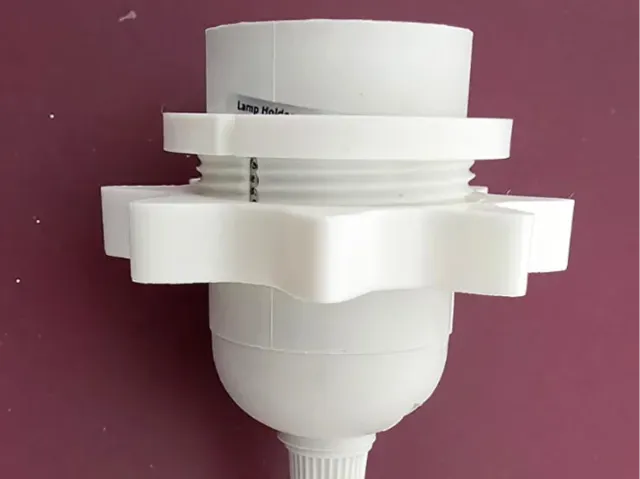
E27 Threadless Lamp Holder Clamp
MakerWorld
This collection gathers 3D models that hold, clamp or adapt a light bulb: screw sockets, locking rings, wall mounts and thread adapters. Most files are small parts meant for a standard 3D printer and a few minutes of assembly. It helps when a lamp is missing a holder, when a socket has to be fixed to a panel, or when a shade needs a different thread. Polyzon does not confirm whether models are free, their price, license, official status, affiliation, safety or fitness. Check the current terms at the source.
Il testo di questa raccolta è in inglese; la ricerca funziona in qualsiasi lingua.
 Una raccolta di Polyzon · 48 modelli da 7 siti
Polyzon compone questa raccolta a partire dai risultati di ricerca dei siti collegati. I doppioni e i modelli senza anteprima vengono rimossi, le corrispondenze deboli finiscono in fondo e il resto mantiene l’ordine dei risultati. I modelli appartengono ai rispettivi autori: verifica le condizioni sulla pagina di ciascun modello.
Criteri di selezione a cura della redazione di Polyzon · Testo aggiornato: 15/10/2026


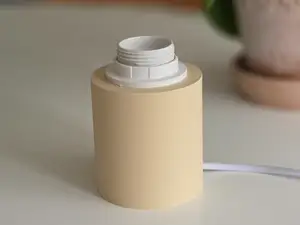
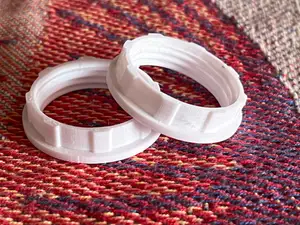
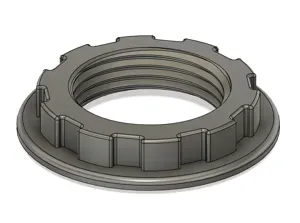
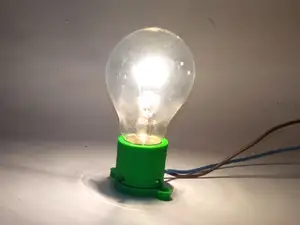


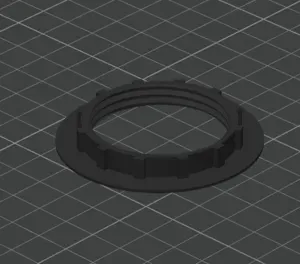
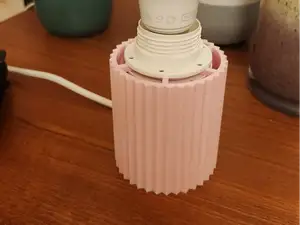
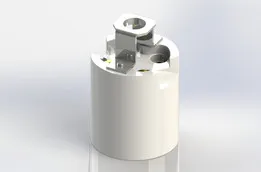


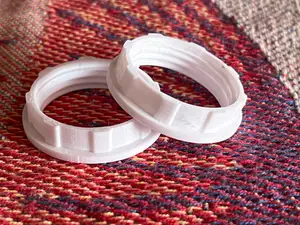
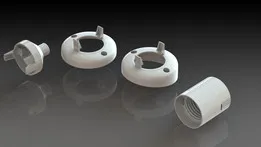
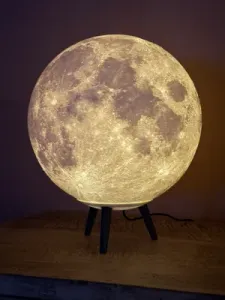
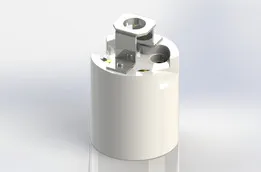

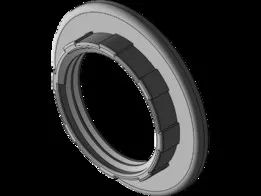
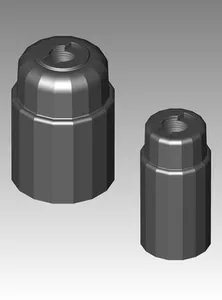

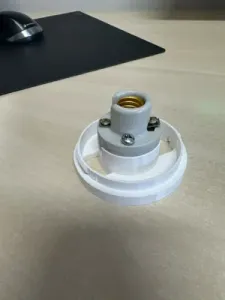




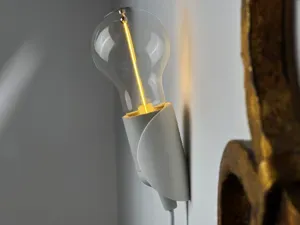
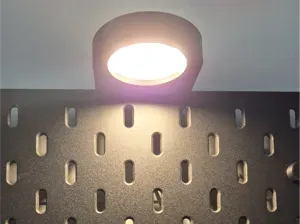
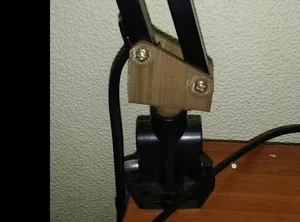
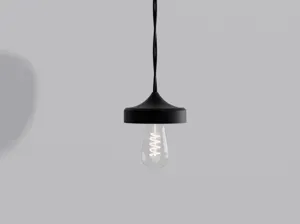


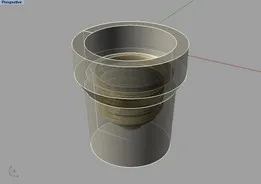
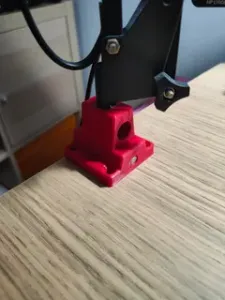
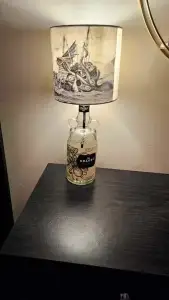

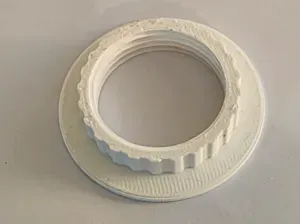
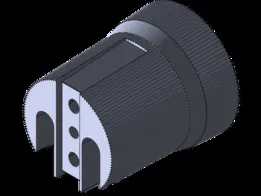
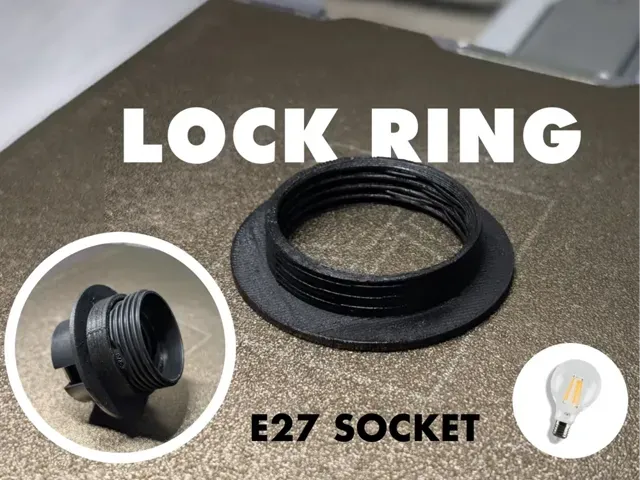
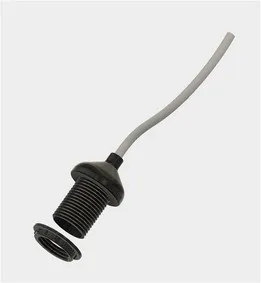
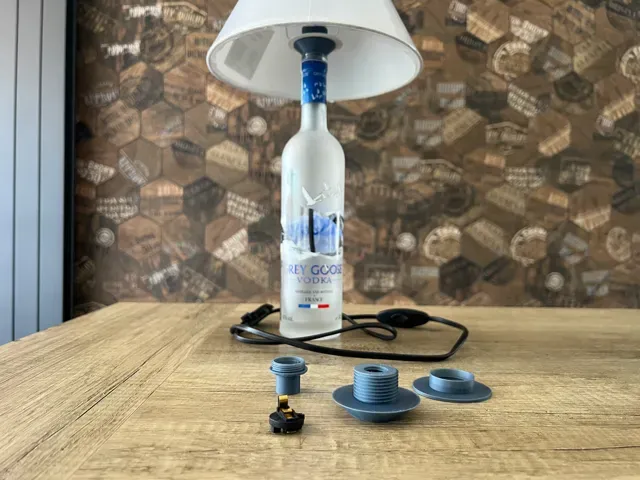
The models fall into a few groups. Screw sockets are built around a standard base size, usually E27 or E14, and differ in how they are fastened: a clamp, a flange with screw holes, or a plain body that fits into a hole. Rings, nuts and collars are separate parts that press a socket against a shade or a plate. Wall versions add a flat back for fixing to a surface, while adapters and extendable holders change the thread size or move the bulb further out. Replacement holders for desk and architect lamps follow the geometry of a particular arm or joint rather than a standard base.
When choosing a file, read the author's notes first. Check the stated base size and the diameter of the socket opening, the wall thickness around the thread, and whether the part is printed as one piece or as several parts that screw together. Look at how the bulb sits: a holder that leaves the base exposed can get warm, so the material and the listed settings matter. Photos of real prints show whether the thread came out clean and whether the part needed supports. If the model is scaled, measure your socket with calipers before printing rather than trusting the screen.
Search results widen if you try the words used in different regions: socket, base, lampholder, portalampada, collar, ring, nut, thread adapter, wall mount, cord grip. Adding the base size, E27 or E14, narrows the list quickly, and adding the mounting type, clamp, flange or wall, narrows it further. Related searches that often lead to useful parts include lampshade, bulb, cable gland, switch housing and desk lamp arm. If a holder is meant for a specific lamp, search by the lamp type instead of the socket size.


Il catalogo completo dei temi, dalla casa alla lavorazione CNC, con ricerca su tutti i siti collegati.