
Gratis 
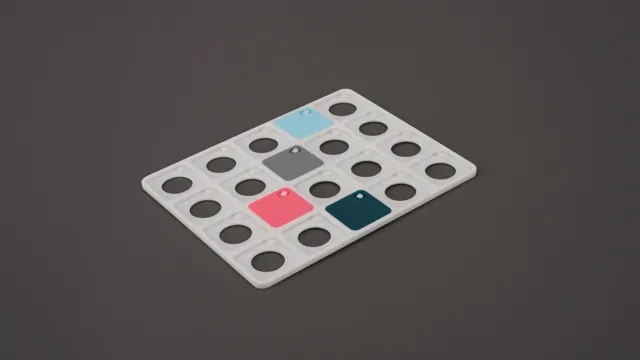
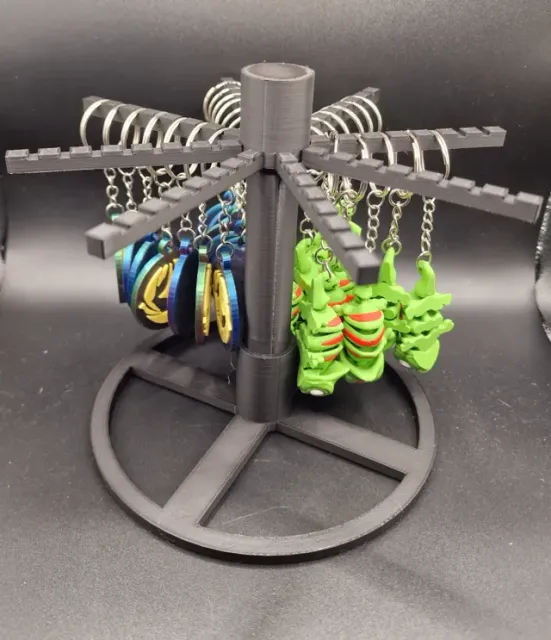
Spinning Filament Swatch Display - Lifts Swatches
MakerWorld
This collection gathers 3D models built around showing something off: stands, shelves, wall assemblies and cases. The range covers figure and miniature stands, modular shelving, and enclosures for small electronics or collectibles. It is useful when you want a display piece that fits a specific object rather than a generic shelf, and most of these files are meant for a 3D printer at home. Polyzon does not confirm whether models are free, their price, license, official status, affiliation, safety or fitness. Check the current terms at the source.
Il testo di questa raccolta è in inglese; la ricerca funziona in qualsiasi lingua.
 Una raccolta di Polyzon · 48 modelli da 6 siti
Polyzon compone questa raccolta a partire dai risultati di ricerca dei siti collegati. I doppioni e i modelli senza anteprima vengono rimossi, le corrispondenze deboli finiscono in fondo e il resto mantiene l’ordine dei risultati. I modelli appartengono ai rispettivi autori: verifica le condizioni sulla pagina di ciascun modello.
Criteri di selezione a cura della redazione di Polyzon · Testo aggiornato: 15/10/2026

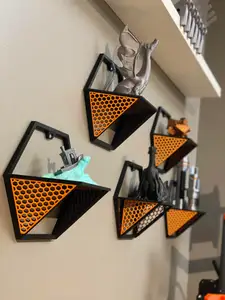
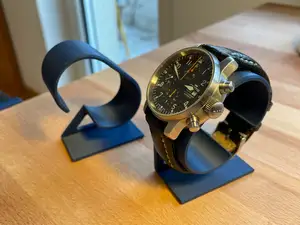
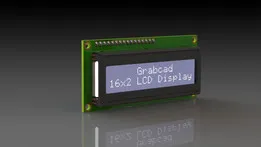


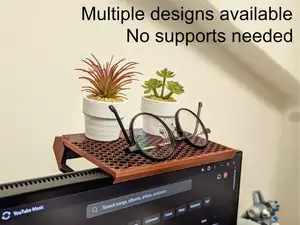

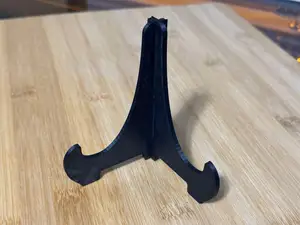

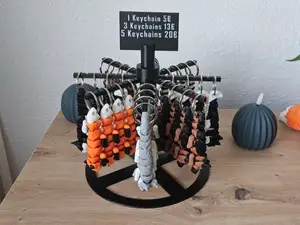
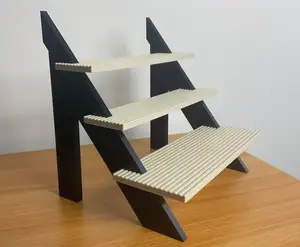
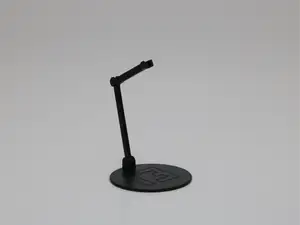


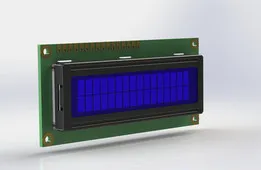
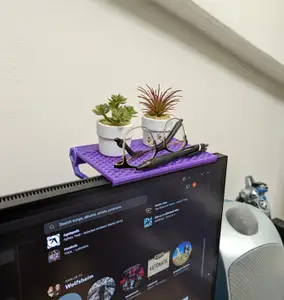
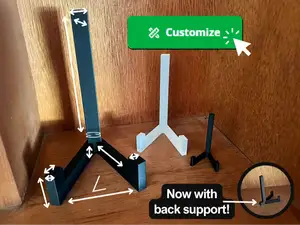

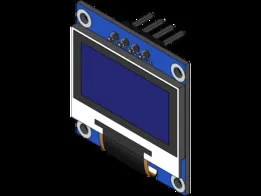

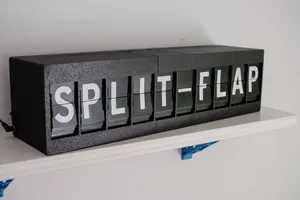


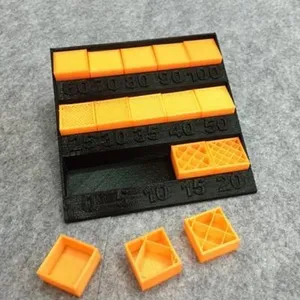

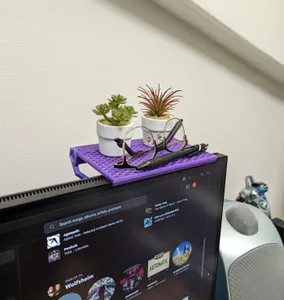
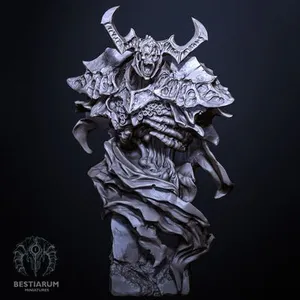

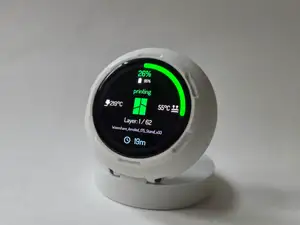
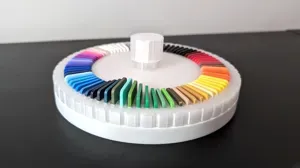
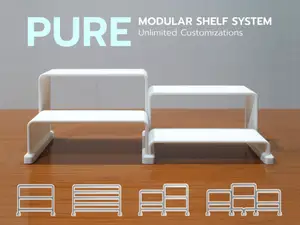
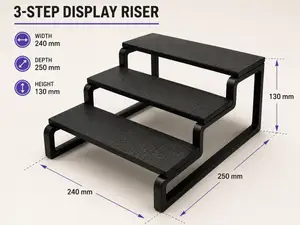

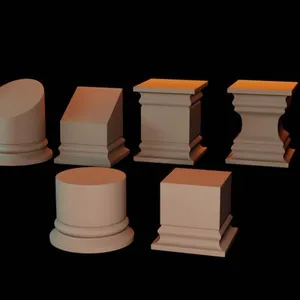
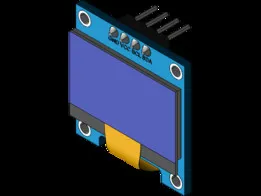
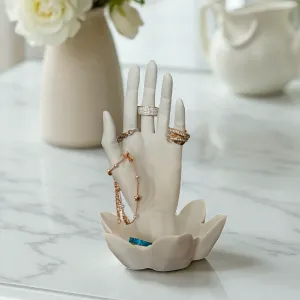
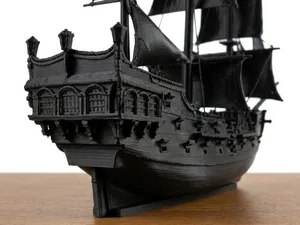

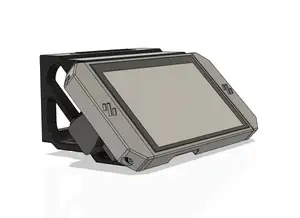
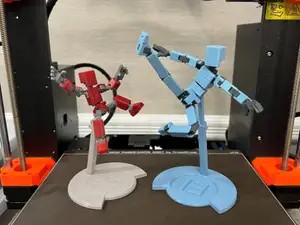
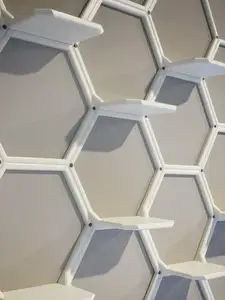

The models split roughly into two families. One is the stand: a base, cradle or bracket shaped around a single object, such as a figure, a miniature, a medal or a handheld item. The other is the shelf or case: modular sections, honeycomb or hexagonal units, wall brackets and box enclosures that hold several items at once. Modular designs often join with dovetails or interlocking edges, so the same file can be repeated to build a longer run.
When choosing, read the author's page rather than the thumbnail. Check the overall size and scale, how many parts the model has and how they join, whether the geometry needs supports, and which material and print settings the author lists. For anything load-bearing, look at the wall thickness and the mounting points, and compare the stated dimensions against the object you plan to place on it. Photos of real prints are the most useful signal of how the finished piece looks.
To narrow the search, try the words people use for the same idea: stand, holder, bracket, riser, rack, shelf, wall mount, case, enclosure, shadow box. Adding the subject helps more than adding adjectives — figure, miniature, dice, medal, keyboard, monitor, single-board computer. If you want a set, search for modular, stackable or interlocking versions, and check the related topic of desk organisation, which often overlaps with display shelving.



Il catalogo completo dei temi, dalla casa alla lavorazione CNC, con ricerca su tutti i siti collegati.