
Gratis 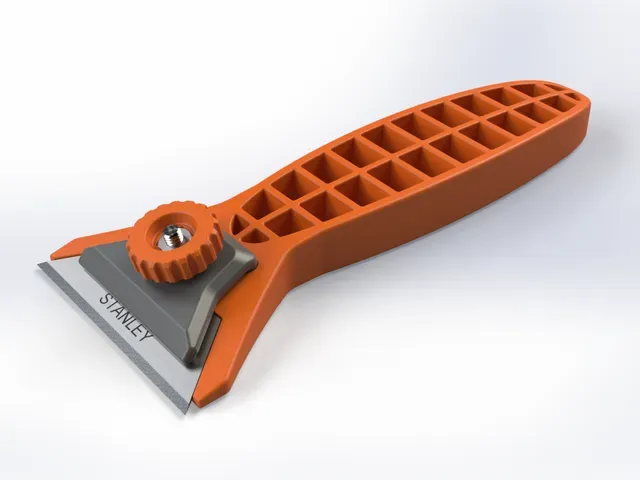
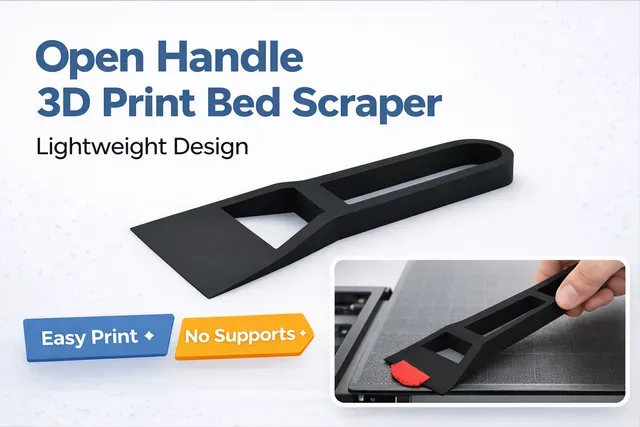
Modular Scraper for 3D Printer Bed Cleaning – compatible with Stanley Blades & printable blades
Printables
This collection gathers the kinds of 3D printing models people look for most often: spool and filament accessories, desk and household organizers, flexible figures, and print-in-place parts. Listings come from several sources, so one idea can appear in different styles and scales. Use it as a starting point, then narrow the list to the object you actually need. Polyzon does not confirm whether models are free, their price, license, official status, affiliation, safety or fitness. Check the current terms at the source.
Il testo di questa raccolta è in inglese; la ricerca funziona in qualsiasi lingua.
 Una raccolta di Polyzon · 48 modelli da 6 siti
Polyzon compone questa raccolta a partire dai risultati di ricerca dei siti collegati. I doppioni e i modelli senza anteprima vengono rimossi, le corrispondenze deboli finiscono in fondo e il resto mantiene l’ordine dei risultati. I modelli appartengono ai rispettivi autori: verifica le condizioni sulla pagina di ciascun modello.
Criteri di selezione a cura della redazione di Polyzon · Testo aggiornato: 13/10/2026


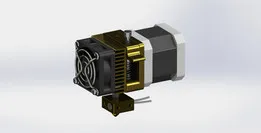

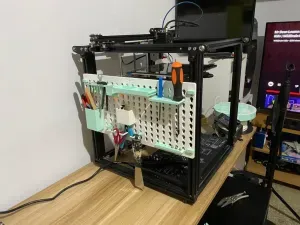


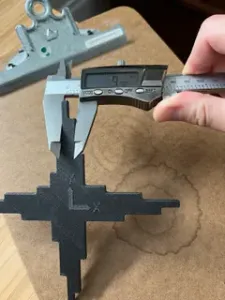

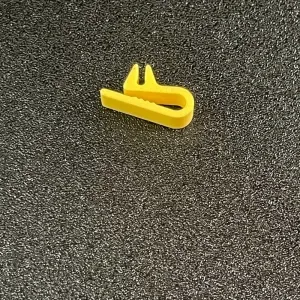


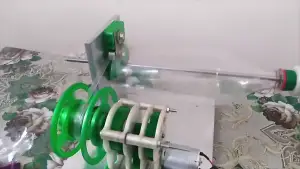

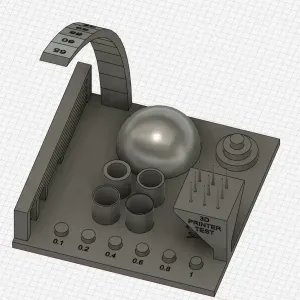




The range splits into a few rough groups. Spool and filament helpers — holders, clips, winders, drying containers — deal with storage and feeding. Household and desk items cover planters, phone stands and small kitchen gadgets, while flexible creatures and fidget designs are printed for the movement itself. Print-in-place wallets, ratchets and threaded parts sit in between: they are functional, but the mechanism is the point.
Before downloading, read the model page rather than the thumbnail. Check the stated size and scale, how many separate parts are involved, whether the author calls for supports, and which material and layer height they used. For articulated and print-in-place designs, the gap between moving parts matters more than surface detail, so look at photos of real prints and at comments about tolerances.
If the results feel too broad, search by the problem instead of the object: filament storage, desk cable holder, flexible dragon, self-watering planter. Related terms help as well — spool versus reel, fidget versus sensory toy, mount versus bracket. Adding a material or printer type to the object name often shortens a long list faster than sorting it.
Calibration and torture-test prints form a separate group: they show how a machine handles overhangs, bridges and fine detail, and are usually printed small and fast. Printer upgrades and mounting systems are the other end of the same category — they depend on your own frame, so measure before committing to a longer print.



Il catalogo completo dei temi, dalla casa alla lavorazione CNC, con ricerca su tutti i siti collegati.