
Gratis 
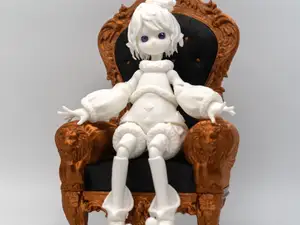
BJD Luna NXY - reupload
Thingiverse
This collection gathers doll-themed 3D models: articulated figures, baby dolls, dollhouse characters and miniature accessories. Most files are made for resin or filament 3D printing, and many arrive split into parts that need assembly. It helps you compare scale, joint design and detail level before committing to a print. Polyzon does not confirm whether models are free, their price, license, official status, affiliation, safety or fitness. Check the current terms at the source.
Il testo di questa raccolta è in inglese; la ricerca funziona in qualsiasi lingua.
 Una raccolta di Polyzon · 42 modelli da 3 siti
Polyzon compone questa raccolta a partire dai risultati di ricerca dei siti collegati. I doppioni e i modelli senza anteprima vengono rimossi, le corrispondenze deboli finiscono in fondo e il resto mantiene l’ordine dei risultati. I modelli appartengono ai rispettivi autori: verifica le condizioni sulla pagina di ciascun modello.
Criteri di selezione a cura della redazione di Polyzon · Testo aggiornato: 15/10/2026

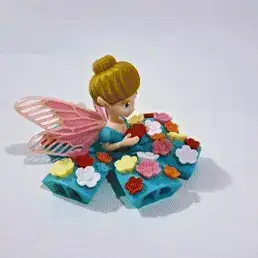
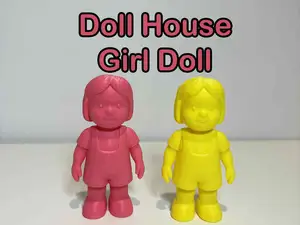
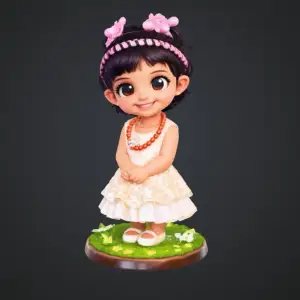
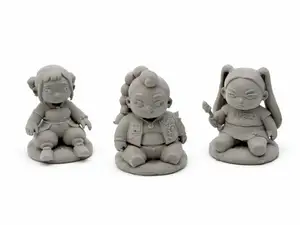
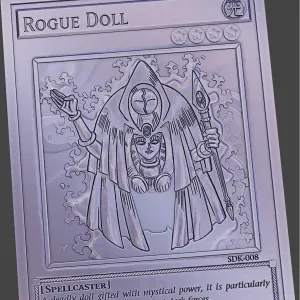
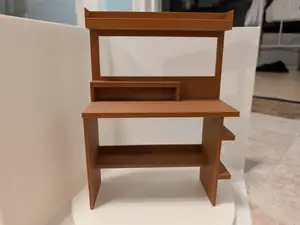
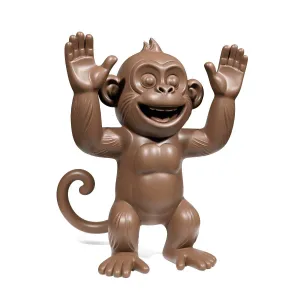
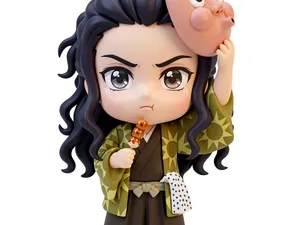
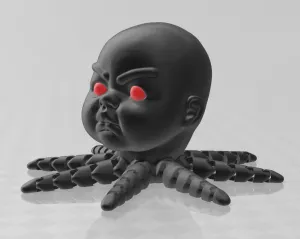
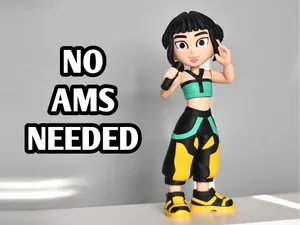
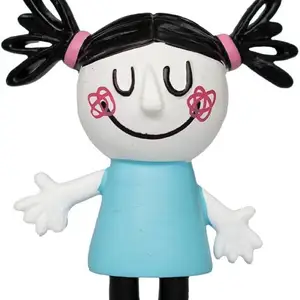
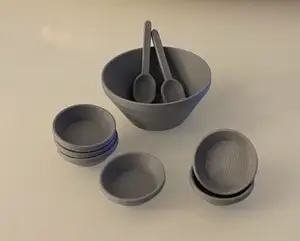
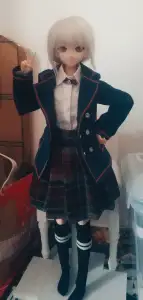
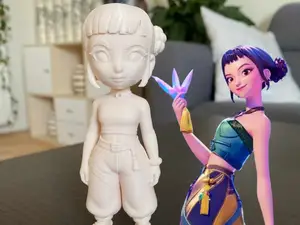
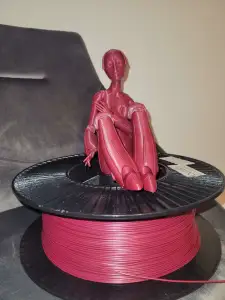
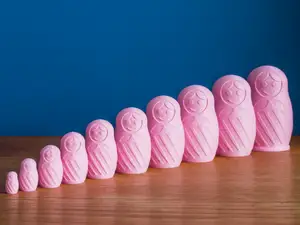

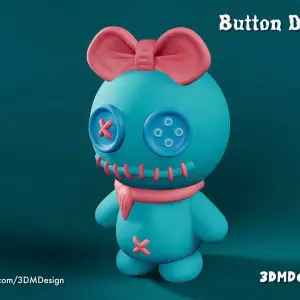
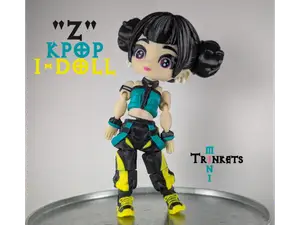
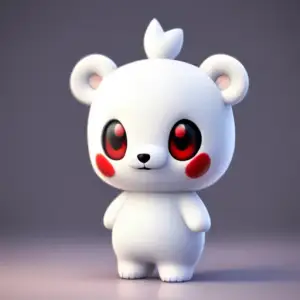

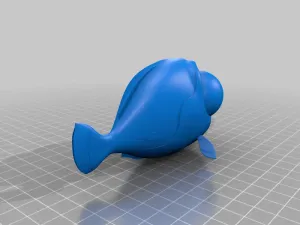
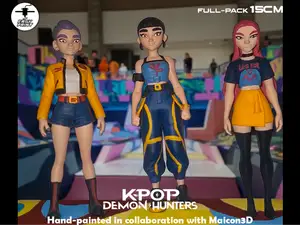
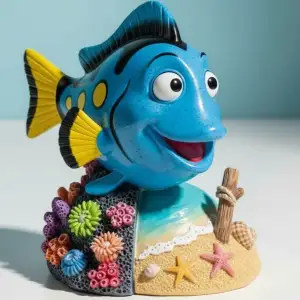
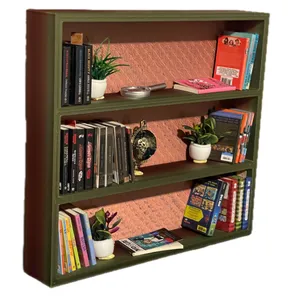
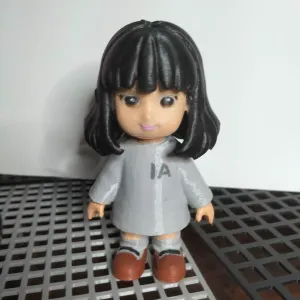
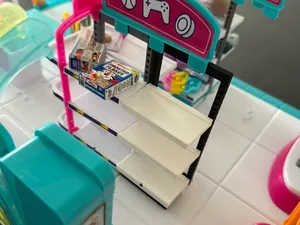
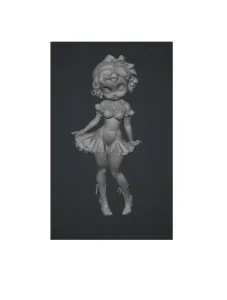
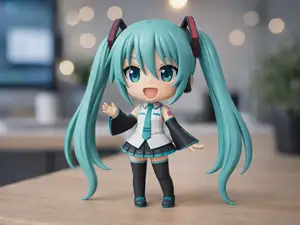
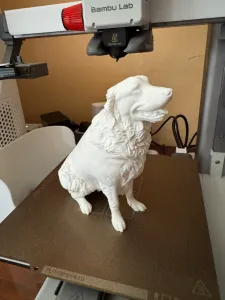
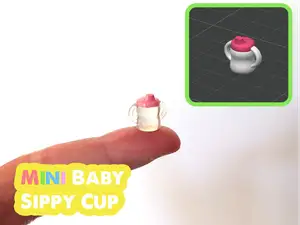
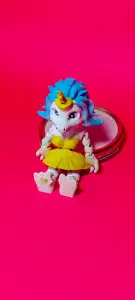
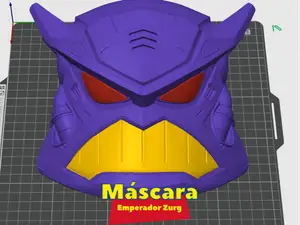
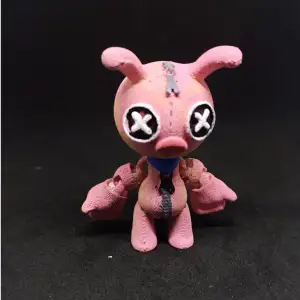
Articulated dolls with ball or hinge joints differ from static figures mainly in how they are put together: the parts print separately and are joined after cleaning. Baby dolls and cradles tend to be simpler, with fewer moving pieces, while dollhouse dolls are small and often paired with miniature furniture and tableware. Character dolls based on games and animation sit between the two, mixing a recognizable silhouette with poseable limbs.
On an author's model page, check the stated size and scale first, then the number of parts and whether the joints need pins, elastic or screws. Look at whether supports are required, which material and settings the author lists, and photos of real prints rather than renders. Thin limbs and small dollhouse items often print more cleanly in resin, while larger hollow figures can be done in filament.
If the results feel too broad, narrow them with words such as ball-jointed, articulated, chibi or miniature, or add a scale like 1/6 or 1/12. Related searches include dollhouse furniture, figure stands, wig and clothing accessories, and poseable toy parts. Combining a style word with a scale word usually gives a shorter, more consistent list.



Il catalogo completo dei temi, dalla casa alla lavorazione CNC, con ricerca su tutti i siti collegati.