
Gratis 
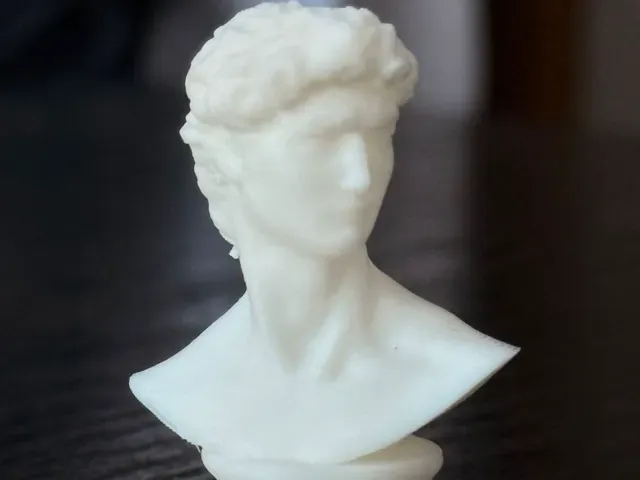
Statue Of David Head
Thingiverse
This collection gathers 3D models of classical sculpture: David in bust and full-figure form, Greek deity heads, and Spartan warrior figures. Most files are intended for 3D printing at desk scale, from small busts to taller statues. It is a starting point if you want a recognizable classical piece on your shelf or 3D printer bed. Polyzon does not confirm whether models are free, their price, license, official status, affiliation, safety or fitness. Check the current terms at the source.
Il testo di questa raccolta è in inglese; la ricerca funziona in qualsiasi lingua.
 Una raccolta di Polyzon · 47 modelli da 3 siti
Polyzon compone questa raccolta a partire dai risultati di ricerca dei siti collegati. I doppioni e i modelli senza anteprima vengono rimossi, le corrispondenze deboli finiscono in fondo e il resto mantiene l’ordine dei risultati. I modelli appartengono ai rispettivi autori: verifica le condizioni sulla pagina di ciascun modello.
Criteri di selezione a cura della redazione di Polyzon · Testo aggiornato: 14/10/2026



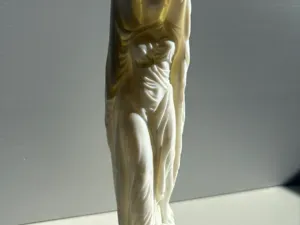
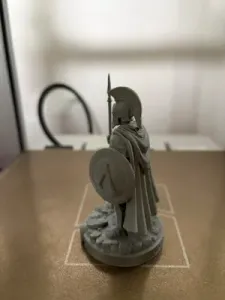

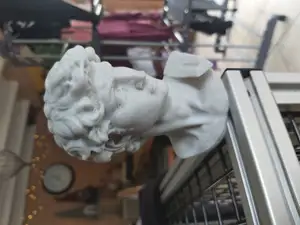
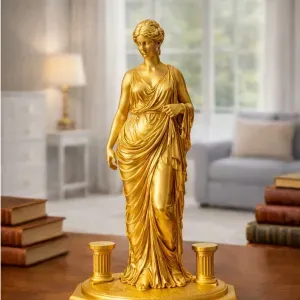

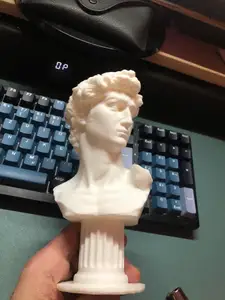
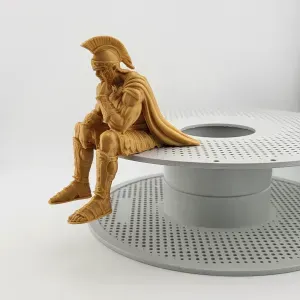

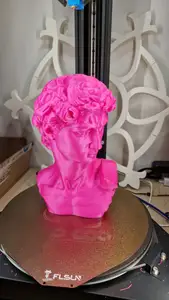
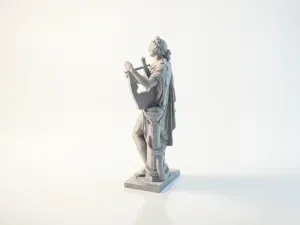

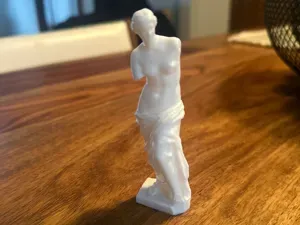
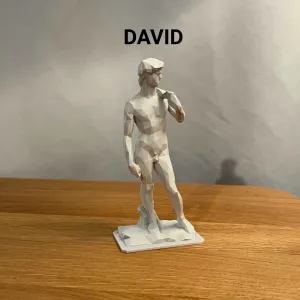

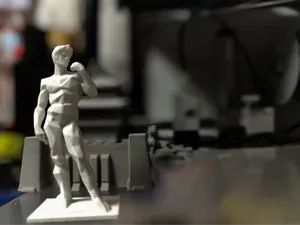

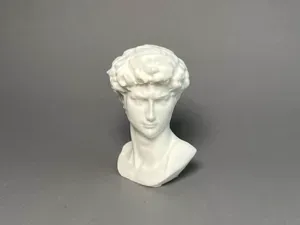
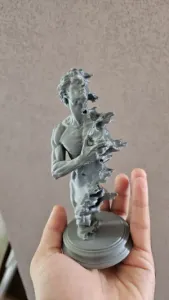
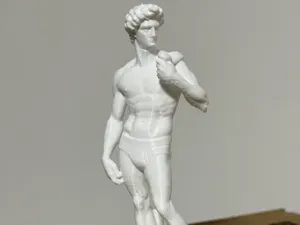


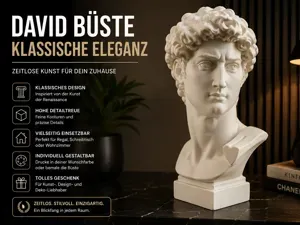
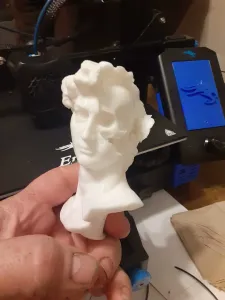

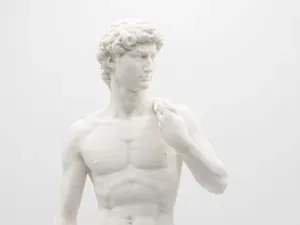
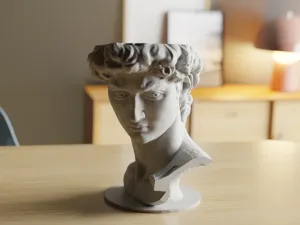
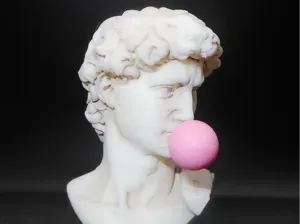
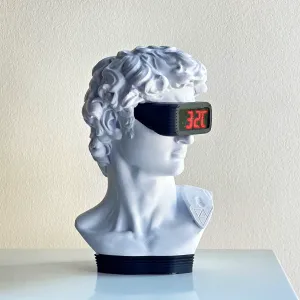

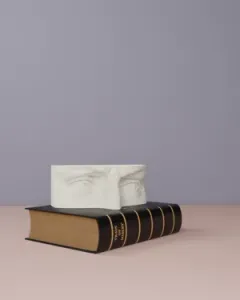
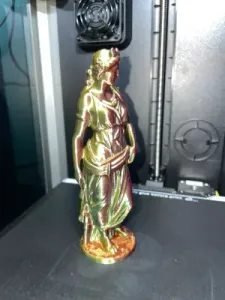

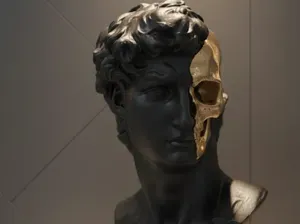
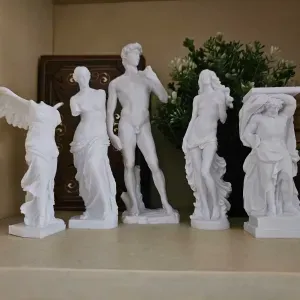
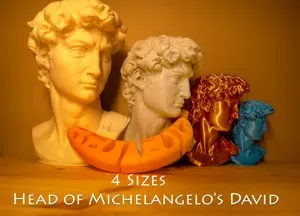
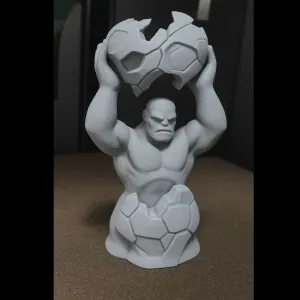


The range splits roughly into three groups. Heads and busts are compact and usually print as a single piece, while full-figure statues need more height and sometimes a base. Scanned models keep the surface detail of the original marble, including chips and weathering, whereas modeled versions tend to have cleaner, simplified geometry. A separate group covers functional remixes: pen holders, edge sitters and files that were already rotated or cut for a particular print orientation.
Before printing, open the author's page and read what is listed there: finished height and scale, number of parts, whether the model is hollow or solid, and whether supports are expected. Check the wall thickness on hollow scans, since thin shells can fail on a small nozzle. Look at photos of real prints to judge how the surface reads after layer lines, and note the material and settings the author used. Large statues are often split into sections, so plan the joints and the glue-up before starting.
To widen the results, search by synonyms and related terms rather than one phrase. Useful queries include classical sculpture, marble bust, Greek mythology figure, Roman copy, museum scan, and the names of individual deities or heroes. Adding a format or use word, such as STL, scan, remix, planter or pen holder, brings up variants that a plain statue search misses. Related topics like Renaissance sculpture or ancient Roman portraiture overlap heavily with this collection.




Il catalogo completo dei temi, dalla casa alla lavorazione CNC, con ricerca su tutti i siti collegati.