
Gratis 
Re Water Can
Thingiverse
This collection gathers 3D models tied to watering: planters that hold a water reservoir, drip lines, sprinklers, cans and small fittings for hoses. It is useful when a printed part has to solve a concrete task in a pot, on a balcony or in a garden bed. Most files are made for a desktop 3D printer, so wall thickness and thread size matter as much as the shape. Polyzon does not confirm whether models are free, their price, license, official status, affiliation, safety or fitness. Check the current terms at the source.
Il testo di questa raccolta è in inglese; la ricerca funziona in qualsiasi lingua.
 Una raccolta di Polyzon · 23 modelli da 2 siti
Polyzon compone questa raccolta a partire dai risultati di ricerca dei siti collegati. I doppioni e i modelli senza anteprima vengono rimossi, le corrispondenze deboli finiscono in fondo e il resto mantiene l’ordine dei risultati. I modelli appartengono ai rispettivi autori: verifica le condizioni sulla pagina di ciascun modello.
Criteri di selezione a cura della redazione di Polyzon · Testo aggiornato: 12/10/2026

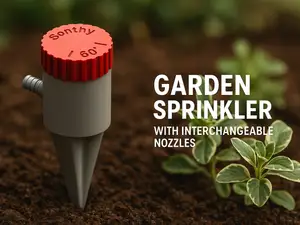
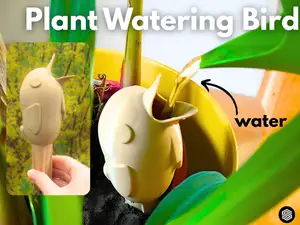

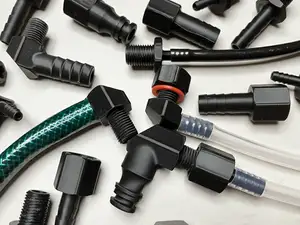
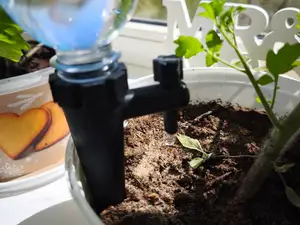
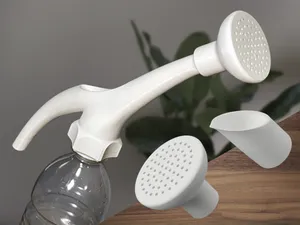
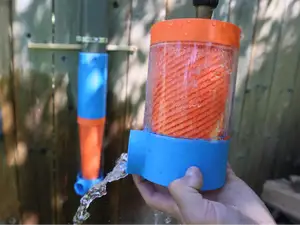
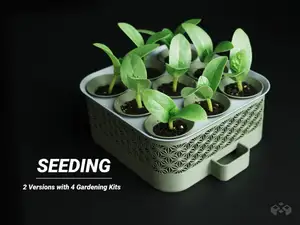
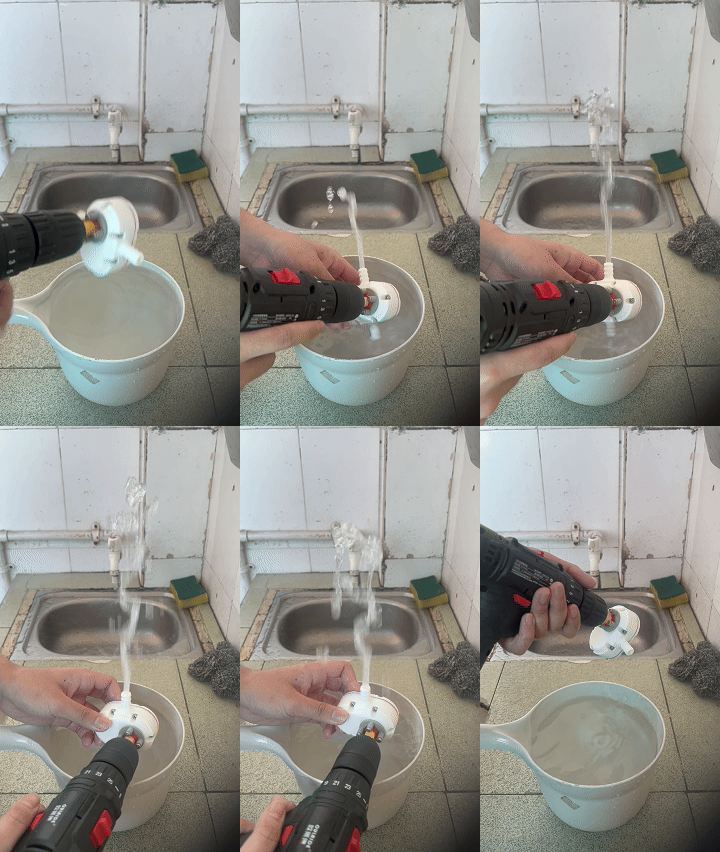
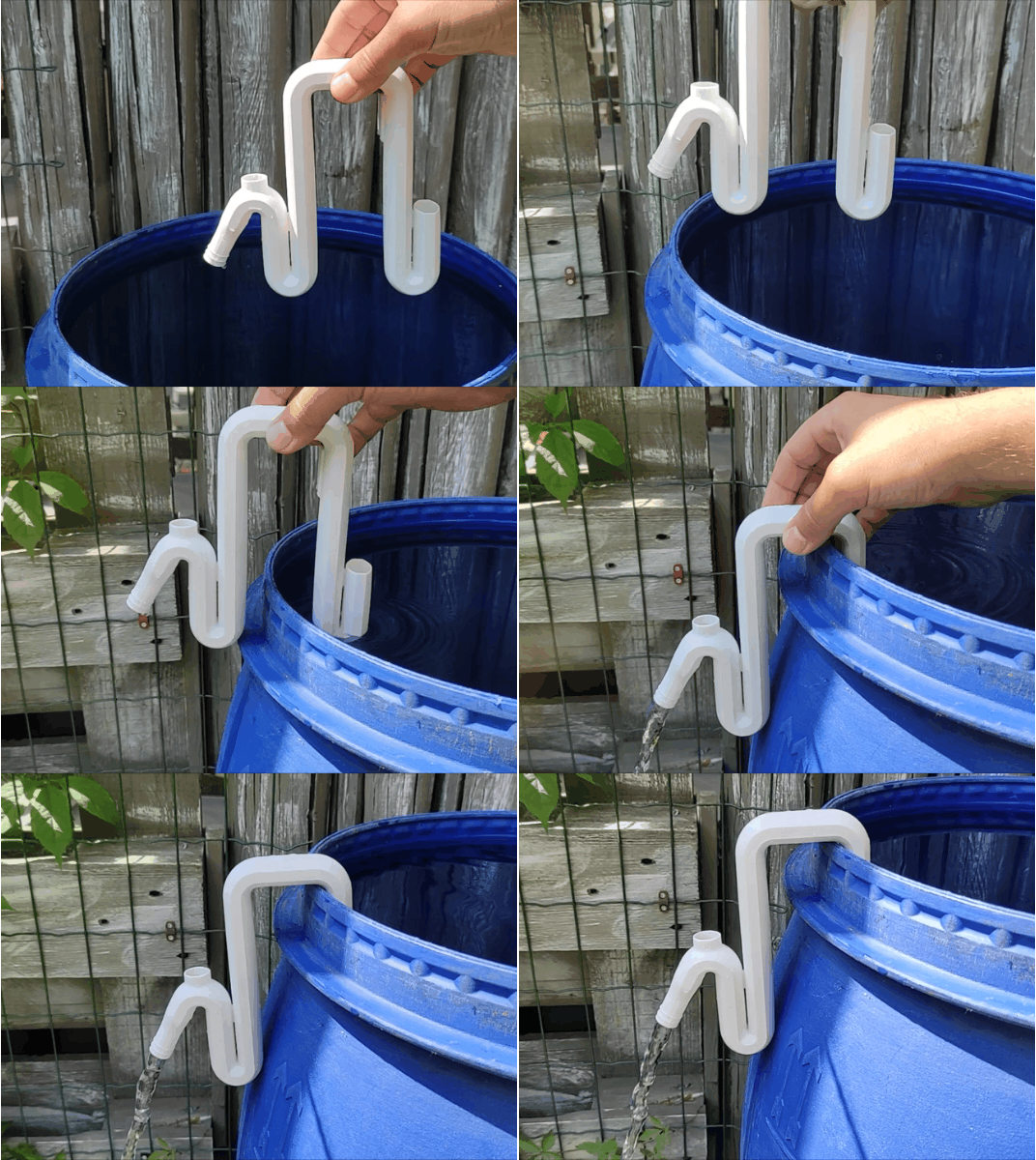
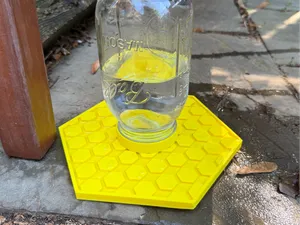
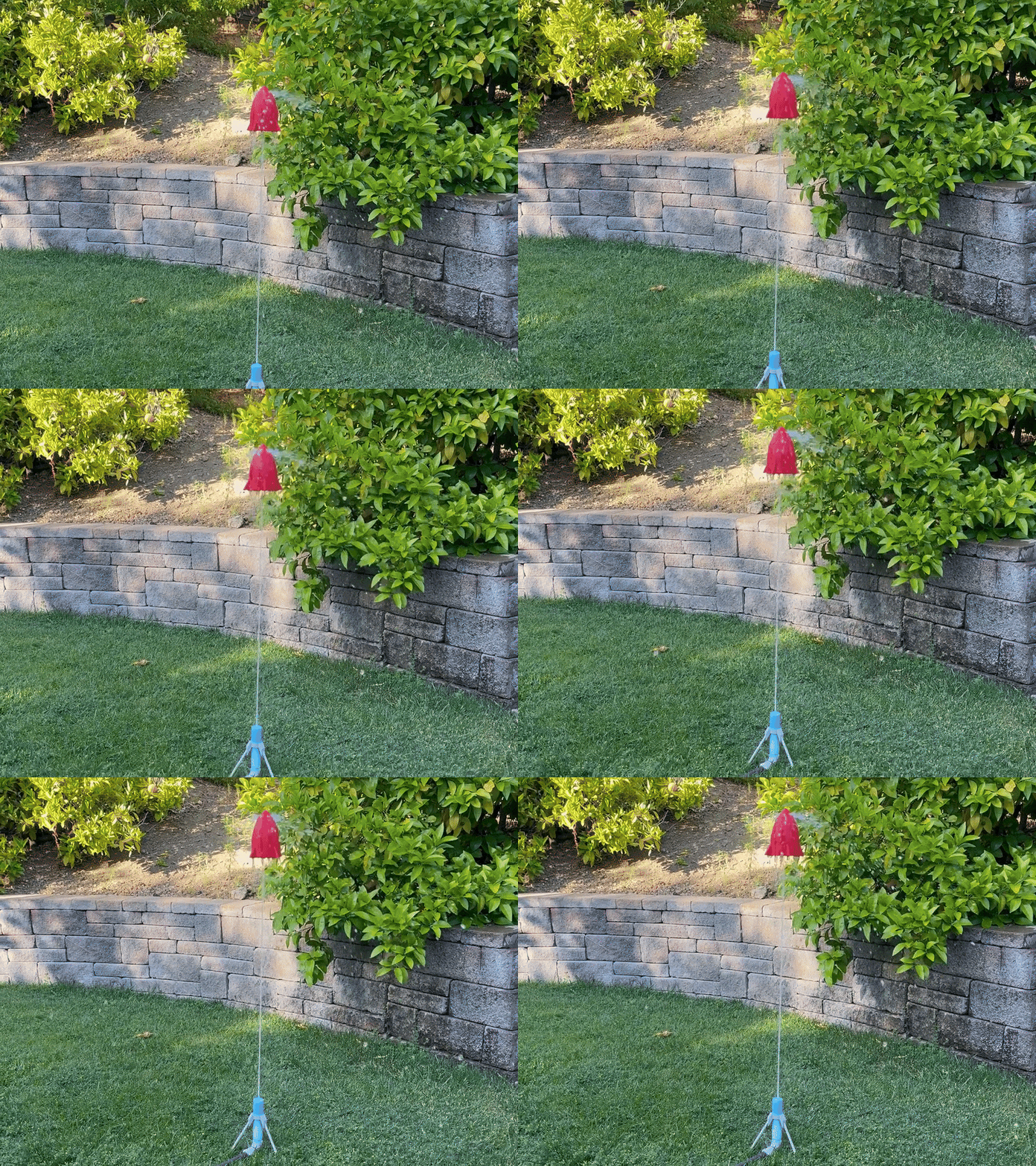
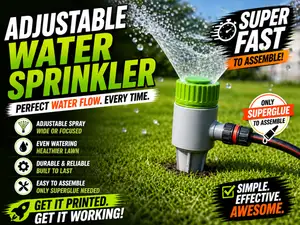
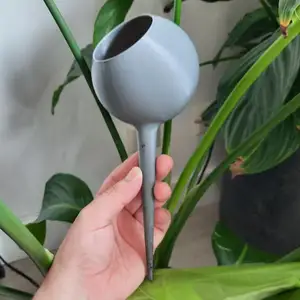

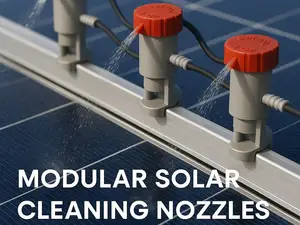
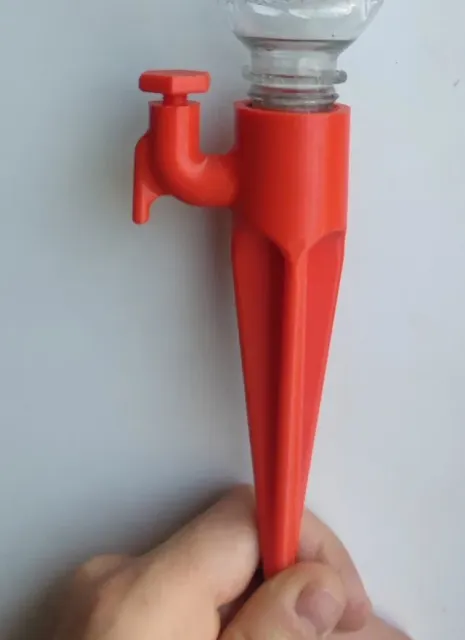
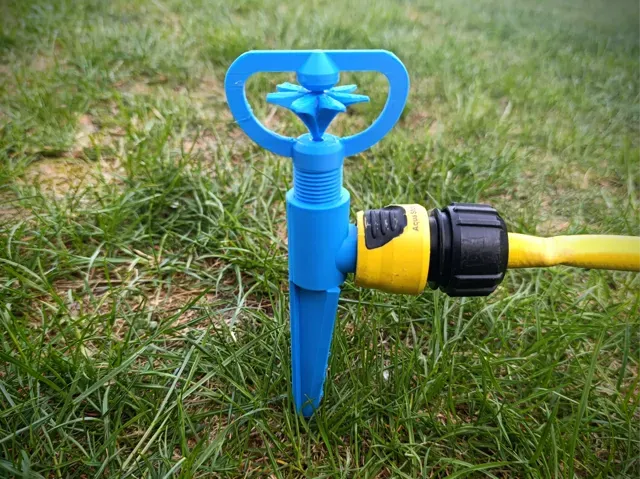
The topic splits into a few groups. Self-watering planters and seed starters combine a pot with a reservoir or a wick, so water reaches the soil slowly. Drip irrigation sets and bottle adapters turn a container into a slow feed for one or several plants. Sprinklers and rotating heads spread water over an area, while cans, caps and spouts handle pouring by hand. A separate group covers connectors, filters and overflow pipes that link printed parts to existing hoses.
Before printing, open the model page and read what the author lists: overall size and scale, the number of separate parts and how they join, whether supports are needed, and the material and settings used for the shown result. Threads, seals and thin walls behave differently in PLA, PETG and flexible filaments, and a part that has to hold water often needs a wider wall or a gasket. Photos of real prints help you judge whether the geometry matches your pot, bottle neck or hose diameter.
If the first results do not fit, widen the wording. Try synonyms such as irrigation, drip, sprinkler head, watering spike, wick, reservoir, hose adapter or tap connector, and related topics like planters, seed trays, greenhouse accessories or garden fittings. Adding a container type, a diameter or a connection standard to the query usually narrows the list faster than browsing by category.


Il catalogo completo dei temi, dalla casa alla lavorazione CNC, con ricerca su tutti i siti collegati.