
Gratis 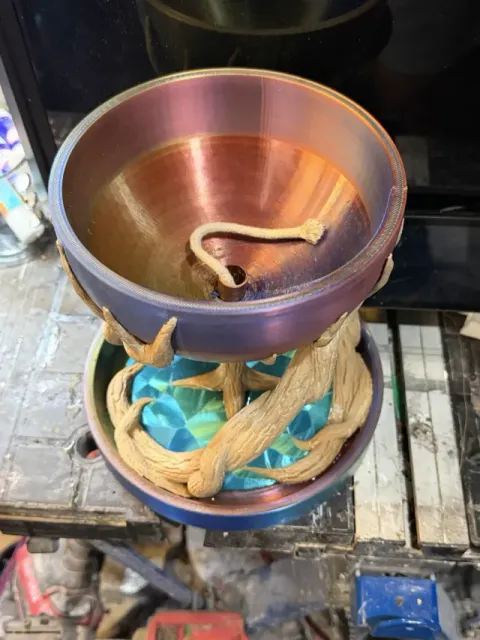
Raised_Planter_With_Wick_Watering
Creality Cloud
This collection gathers 3D models for wick watering, from full planters and pots to inserts, reservoirs and moss pole attachments. You can use it to find parts that keep soil moisture steady while you are away. The models are meant for 3D printing, so check each author's page for scale, parts and material notes. Polyzon does not confirm whether models are free, their price, license, official status, affiliation, safety or fitness. Check the current terms at the source.
Il testo di questa raccolta è in inglese; la ricerca funziona in qualsiasi lingua.
 Una raccolta di Polyzon · 48 modelli da 5 siti
Polyzon compone questa raccolta a partire dai risultati di ricerca dei siti collegati. I doppioni e i modelli senza anteprima vengono rimossi, le corrispondenze deboli finiscono in fondo e il resto mantiene l’ordine dei risultati. I modelli appartengono ai rispettivi autori: verifica le condizioni sulla pagina di ciascun modello.
Criteri di selezione a cura della redazione di Polyzon · Testo aggiornato: 12/10/2026

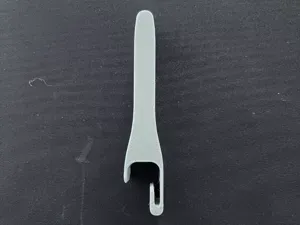
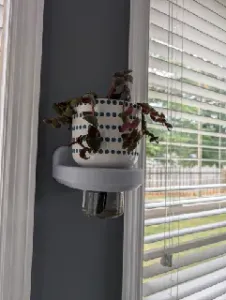
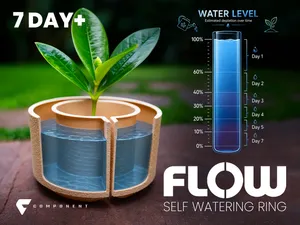
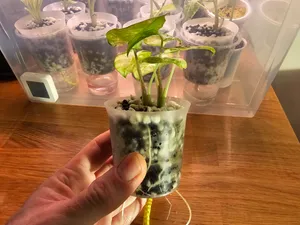


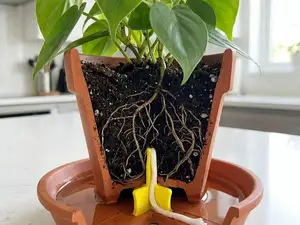

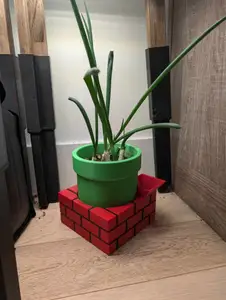

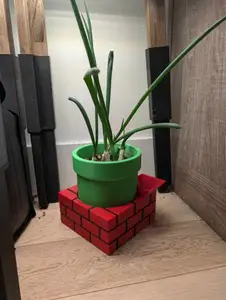

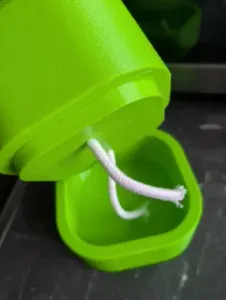
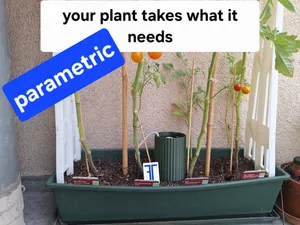

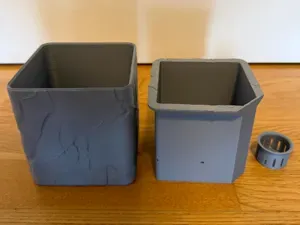
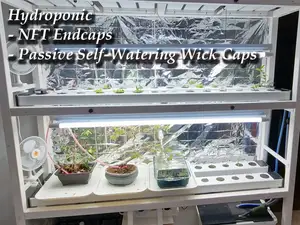
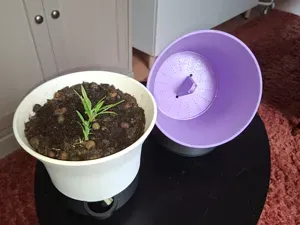
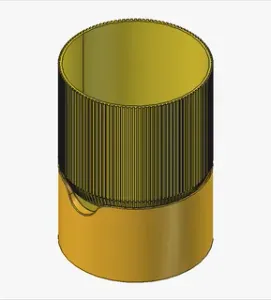





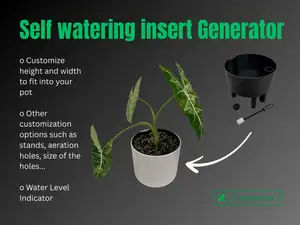
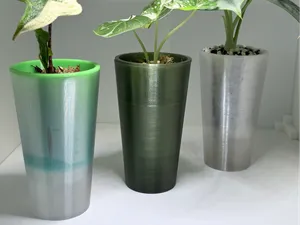
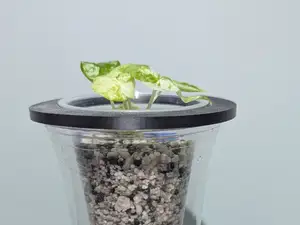
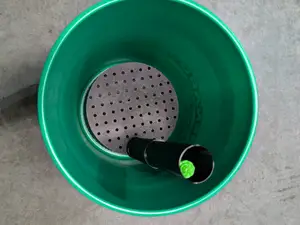
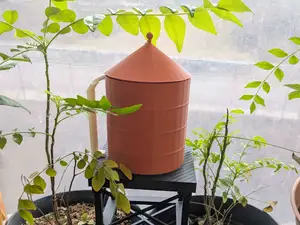
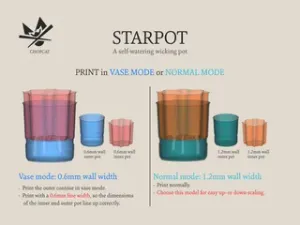
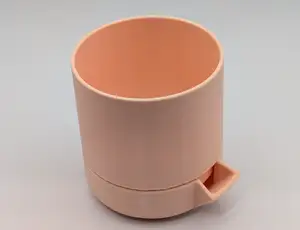
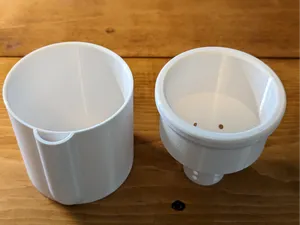
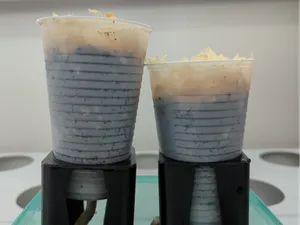
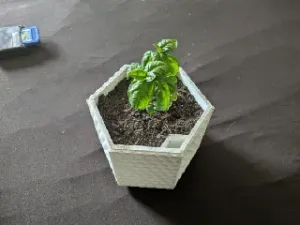
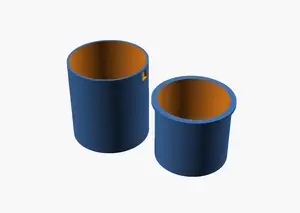

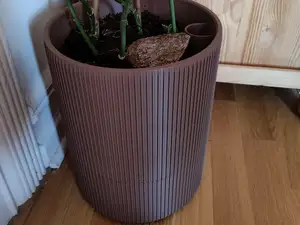
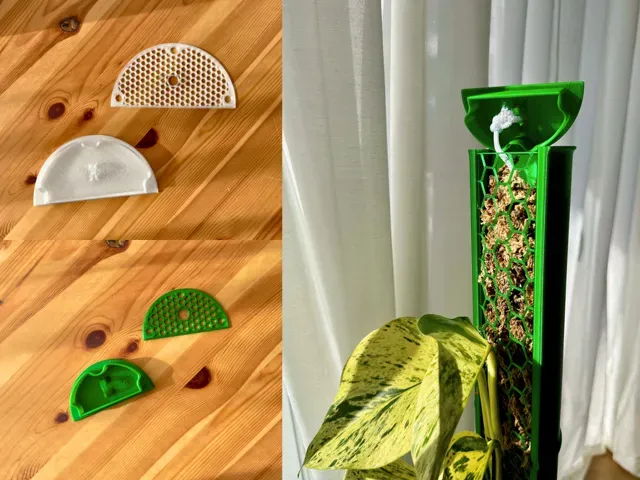
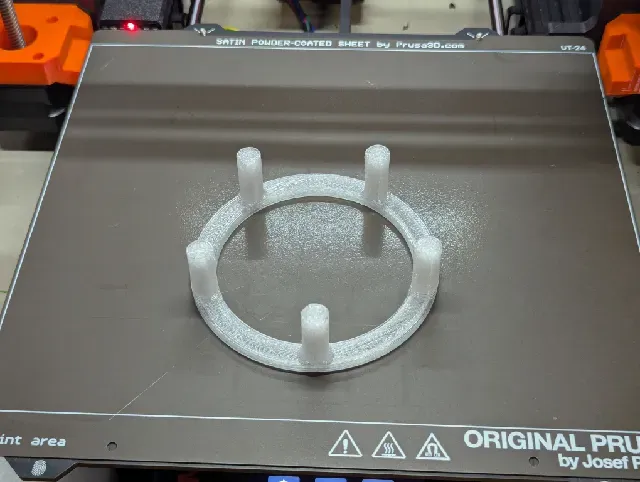
The collection covers several approaches to wick watering. Some models are complete planters with an integrated reservoir, while others are inserts or risers that turn an existing pot into a self-watering setup. There are also wick attachments for moss poles, propagation cups, seedling spacers, and caps or endcaps for hydroponic lines. These differ in how the wick is routed, how much water the reservoir holds, and whether the pot sits inside or above the water.
When choosing a model, look at the dimensions and scale, the number of parts, and whether the design expects a separate wick or a printed channel. Check the author's notes on material, layer height, and wall thickness, because thin walls can leak or deform. Photos of real prints help you judge how the reservoir and wick opening align. For printing, consider the filament type, nozzle size, and whether the model needs supports or a watertight finish.
To narrow the results, try related terms such as self-watering pot, wick insert, capillary watering, vacation watering, and moisture wick. You can also search by plant type, pot size, or the part you need, like reservoir, riser, spike, or cap. Combining a broad term with a specific component often brings up more relevant files. If you are looking for a particular setup, check synonyms used by different authors.


Il catalogo completo dei temi, dalla casa alla lavorazione CNC, con ricerca su tutti i siti collegati.