
Gratis 
Collapsible Flute Stand
Thingiverse
This collection gathers STL files for metal flutes and related parts, from headjoints and body components to pan flutes, ocarinas, and stands. It helps you compare how each model is built before you commit filament or resin to a 3D printer. Use it to find a starting point and then refine by tuning, scale, or assembly needs. Polyzon does not confirm whether models are free, their price, license, official status, affiliation, safety or fitness. Check the current terms at the source.
Il testo di questa raccolta è in inglese; la ricerca funziona in qualsiasi lingua.
 Una raccolta di Polyzon · 48 modelli da 3 siti
Polyzon compone questa raccolta a partire dai risultati di ricerca dei siti collegati. I doppioni e i modelli senza anteprima vengono rimossi, le corrispondenze deboli finiscono in fondo e il resto mantiene l’ordine dei risultati. I modelli appartengono ai rispettivi autori: verifica le condizioni sulla pagina di ciascun modello.
Criteri di selezione a cura della redazione di Polyzon · Testo aggiornato: 12/10/2026


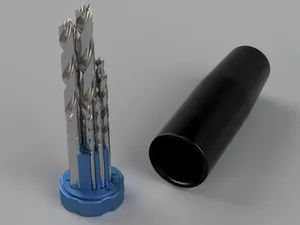
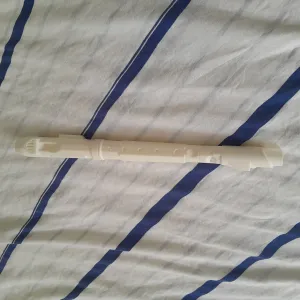


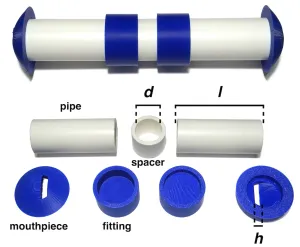


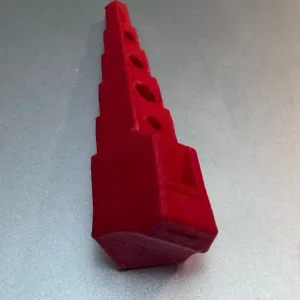

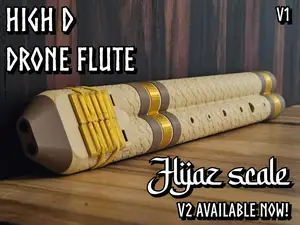
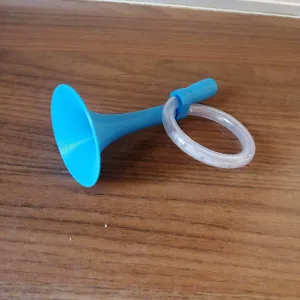

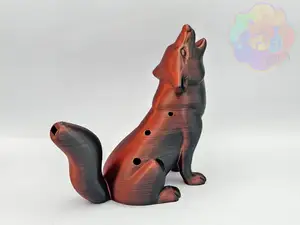
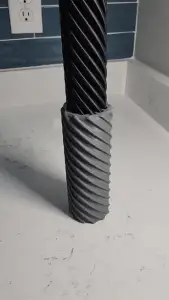

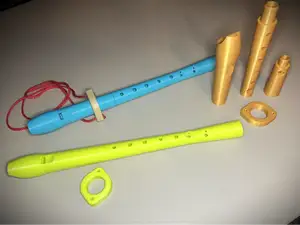
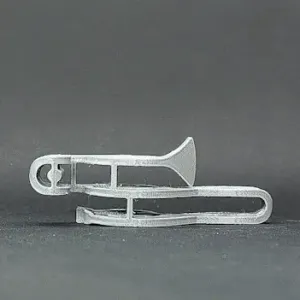

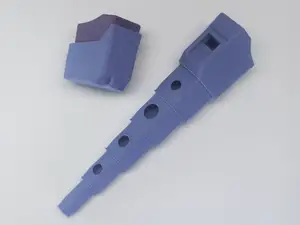
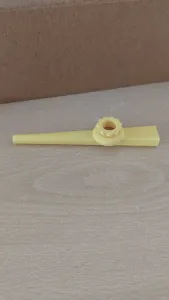

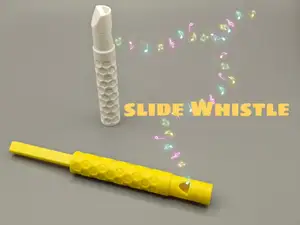
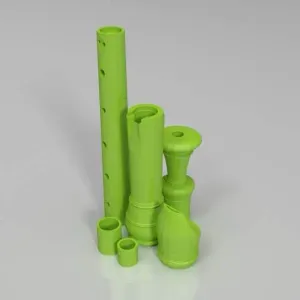

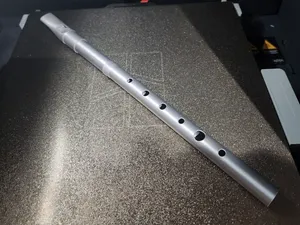
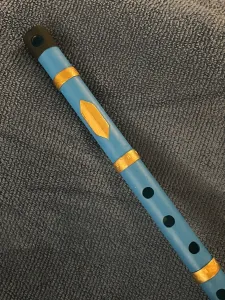


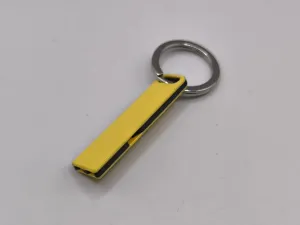

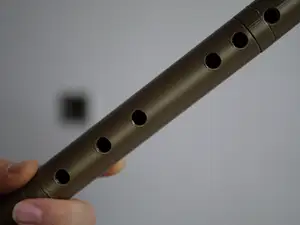
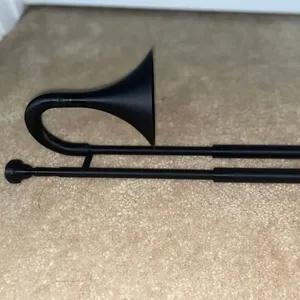

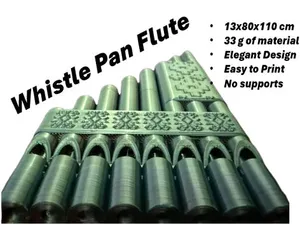
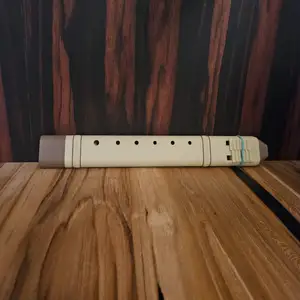

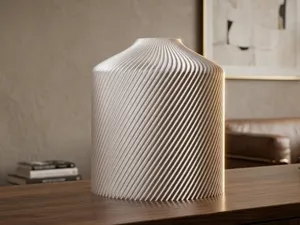
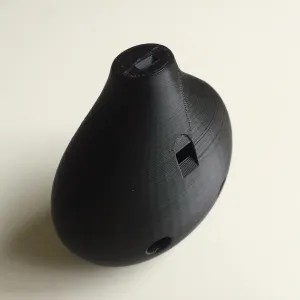

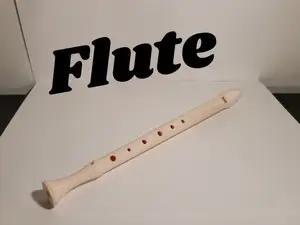
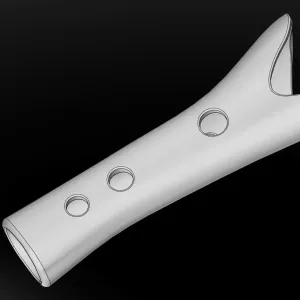
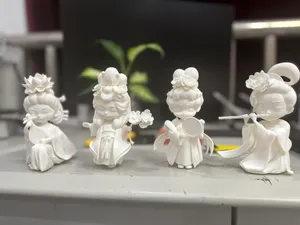
The models range from functional instrument parts to complete flutes and accessories. Headjoints and embouchure components focus on air direction and fit, while pan flutes and multi-tube designs depend on tube length and spacing for pitch. Ocarinas and whistles use a closed chamber, so their shape and wall thickness affect tone differently. Stands and holders are simpler geometry, but they still need to match the instrument's diameter and weight.
When choosing a model, check the author's page for size and scale, number of parts, and whether supports are needed. Look at the material and settings the author lists, since metal-like finishes often come from filament choice or post-processing rather than the STL itself. Photos of real prints can show how thin walls, small holes, and tuning features come out on a 3D printer. If the model has moving parts or joins, review the assembly order before printing.
To refine your search, try synonyms such as flute headjoint, pan pipe, ocarina, whistle, and fife. Related terms include embouchure, tuning, drone, and multi-tube. You can also search by use case, for example practice instrument, display piece, or workshop holder. Combining a material term with an instrument term usually narrows results faster than a single broad word.




Il catalogo completo dei temi, dalla casa alla lavorazione CNC, con ricerca su tutti i siti collegati.