Gratis 
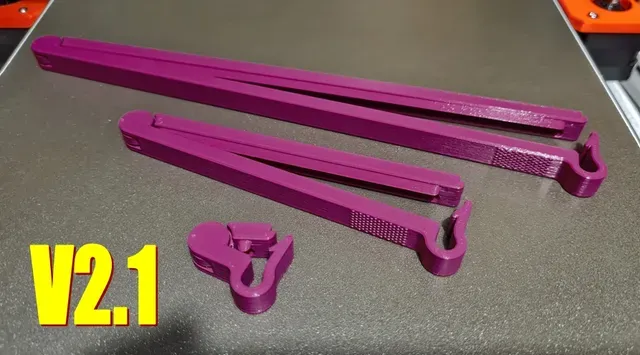
Switch Portrait / Vertical / Flip Grip with locking mechanism
Thingiverse
This collection gathers 3D models where something flips, folds or snaps into place: clock mechanisms, folding key shells, bag clips and compliant clips. It is useful if you are looking for a moving part rather than a static object, and want to see how that movement is solved in 3D printing. The examples range from small handheld parts to wall-mounted holders, so scale and assembly differ a lot from one model to the next. Polyzon does not confirm whether models are free, their price, license, official status, affiliation, safety or fitness. Check the current terms at the source.
Il testo di questa raccolta è in inglese; la ricerca funziona in qualsiasi lingua.
 Una raccolta di Polyzon · 48 modelli da 4 siti
Polyzon compone questa raccolta a partire dai risultati di ricerca dei siti collegati. I doppioni e i modelli senza anteprima vengono rimossi, le corrispondenze deboli finiscono in fondo e il resto mantiene l’ordine dei risultati. I modelli appartengono ai rispettivi autori: verifica le condizioni sulla pagina di ciascun modello.
Criteri di selezione a cura della redazione di Polyzon · Testo aggiornato: 13/10/2026
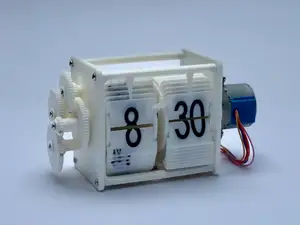


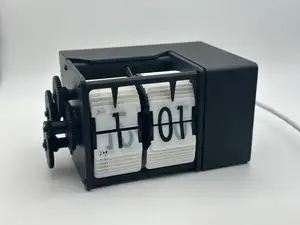

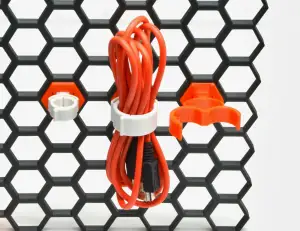
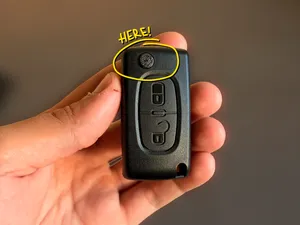



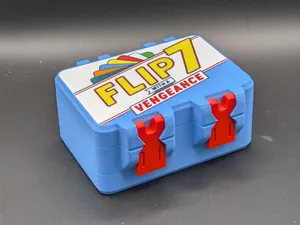



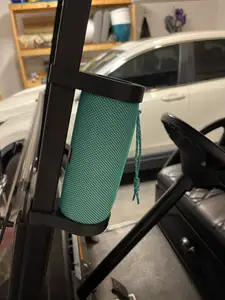


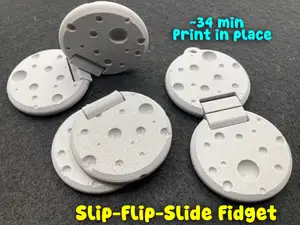


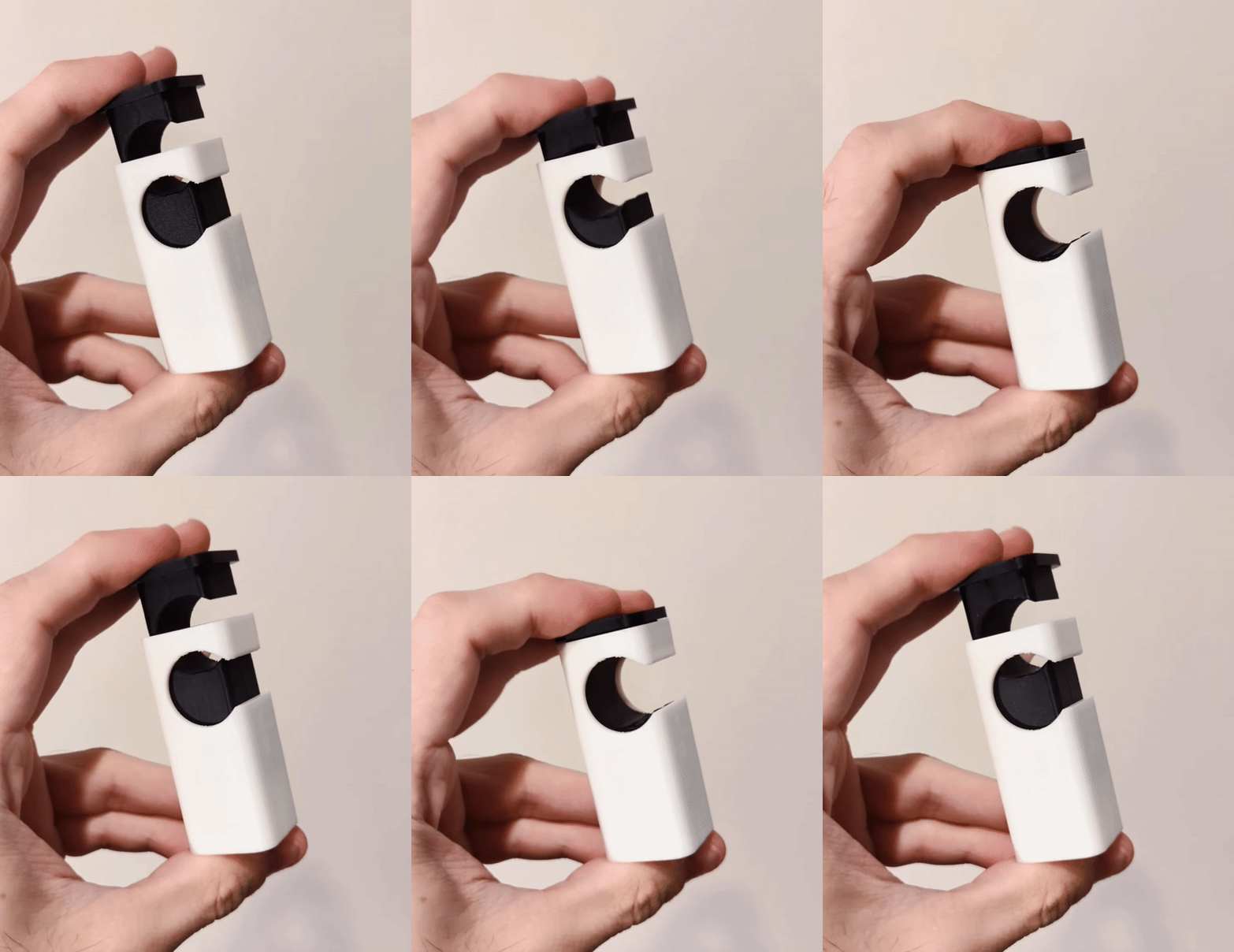
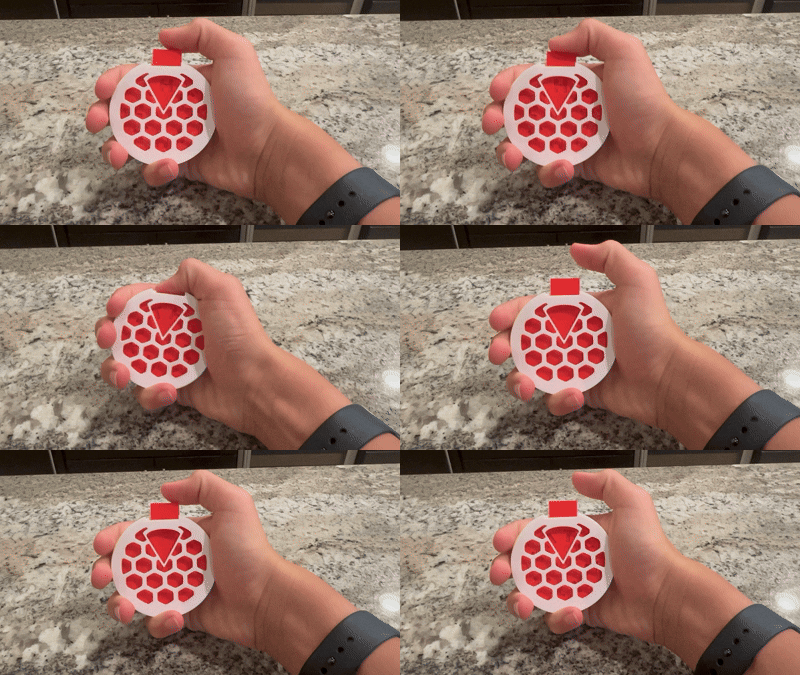









Several families of models appear here. Flip clocks use a pivoting flap or card system driven by printed gears and arms, and often come with a separate case. Key mechanisms are built around a blade or button that folds into a shell, with a spring or detent to hold it open or closed. Bag clips and wall clips rely on snap-in hinges, locking tabs or compliant arms that bend instead of using pins. Flip-style cases and wallets combine a hinge with interchangeable faceplates.
Before printing, read what the author lists on the model page: overall size and scale, number of separate parts, whether pins, screws or springs are needed, and whether supports are required for overhangs. Clearances between moving parts matter more than on a static model, so check the tolerances the author states and the material and settings they used. Photos of real prints show how the hinge or snap actually sits after assembly, which is often more informative than the render.
If the results feel narrow, try related wording: snap-fit, living hinge, compliant, folding, pivoting, latch, detent, key fob, or flip case. Combining a mechanism term with an object term narrows the list quickly, for example a clip plus wall mount, or a hinge plus case. Related topics such as cable clips, wall organizers and modular cases often use the same hinge and snap principles, so they are worth a look when a specific search returns little.




Il catalogo completo dei temi, dalla casa alla lavorazione CNC, con ricerca su tutti i siti collegati.