
$ 6.99 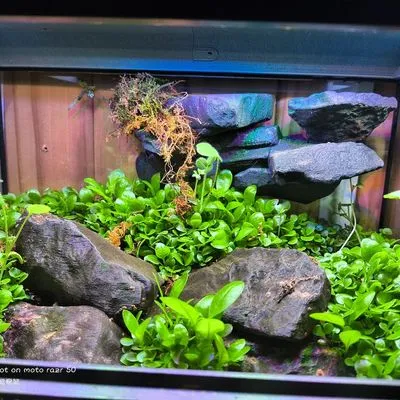
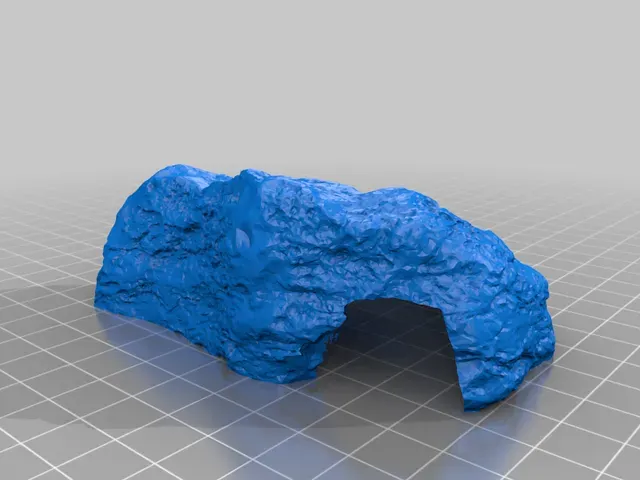
Reptile fake rock cave background decoration
MyMiniFactory
This collection gathers 3D models used as backgrounds and decoration in reptile terrariums: back walls, rock formations, caves and hideouts, plus small animal figures. The files are made for 3D printing, usually as STL, and can be scaled or split to fit an enclosure. It gives you a starting point before you compare individual model pages. Polyzon does not confirm whether models are free, their price, license, official status, affiliation, safety or fitness. Check the current terms at the source.
Il testo di questa raccolta è in inglese; la ricerca funziona in qualsiasi lingua.
 Una raccolta di Polyzon · 48 modelli da 7 siti
Polyzon compone questa raccolta a partire dai risultati di ricerca dei siti collegati. I doppioni e i modelli senza anteprima vengono rimossi, le corrispondenze deboli finiscono in fondo e il resto mantiene l’ordine dei risultati. I modelli appartengono ai rispettivi autori: verifica le condizioni sulla pagina di ciascun modello.
Criteri di selezione a cura della redazione di Polyzon · Testo aggiornato: 12/10/2026


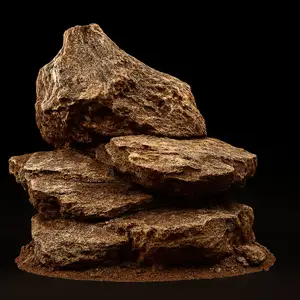


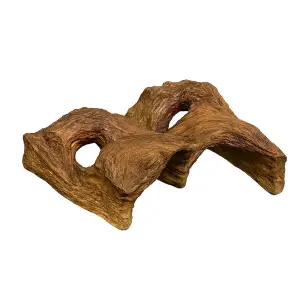


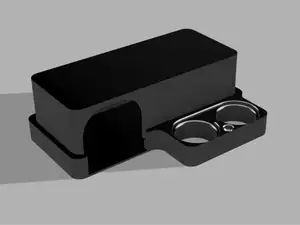
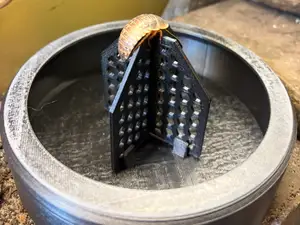
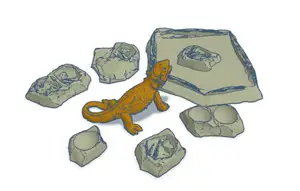

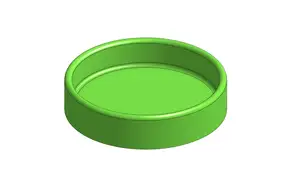

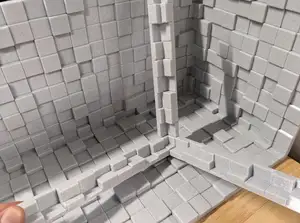

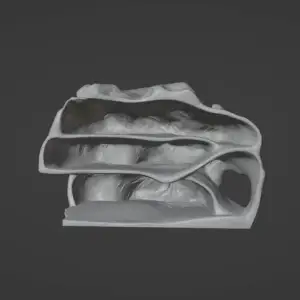
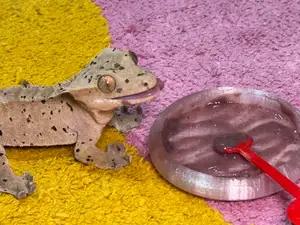
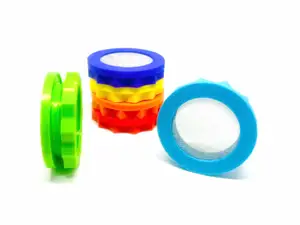

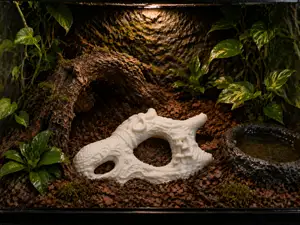

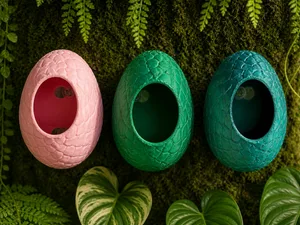


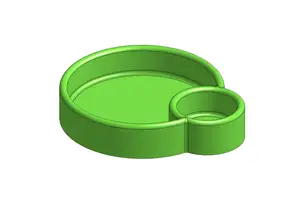

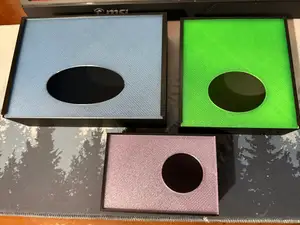

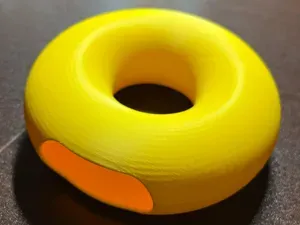
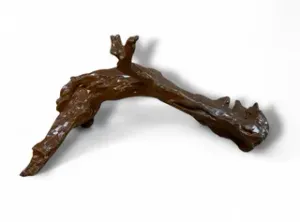

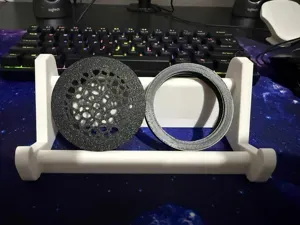
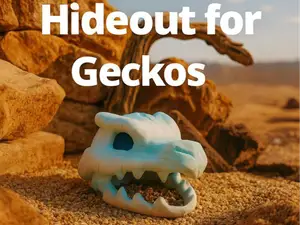
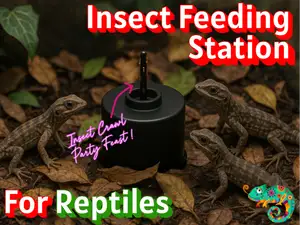
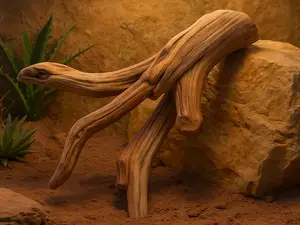
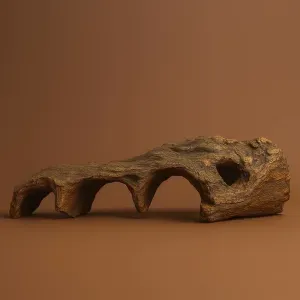
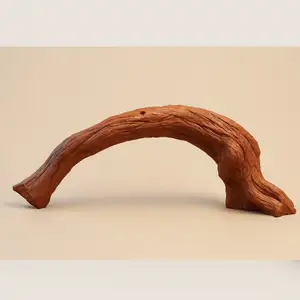
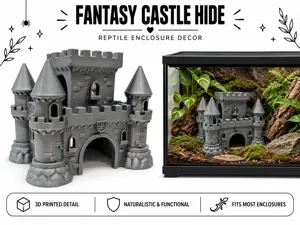
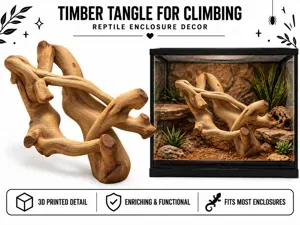
Back walls form the largest group: flat or curved panels with canyon, ruin or temple relief that cover the rear glass. Rock formations and modular stone sets build ground-level structure and can be stacked in different ways. Caves and hideouts are compact hollow shapes, while root arches and similar pieces imitate wood. Small lizard and snake figures sit in a separate group, often arranged as dioramas.
Before printing, compare the size and scale the author lists with the dimensions of your enclosure, since a wall panel rarely fits as it comes. Look at the number of parts and how they join, whether the model is divided for smaller build volumes, and whether the author notes support requirements. Material and settings matter for pieces that stay in a humid environment, and photos of real prints show texture and layer lines more clearly than renders.
Search results widen when you use the vocabulary of the hobby: terrarium back wall, rock wall, hideout, basking platform, diorama, aquarium decor. Related terms such as gecko, snake, bearded dragon or spider narrow the list to one animal. Pairing a style word — canyon, forest, ruin — with the word terrarium also brings up different sets.


Il catalogo completo dei temi, dalla casa alla lavorazione CNC, con ricerca su tutti i siti collegati.