
Gratis 
Cube Puzzle Quartet
Thingiverse
This collection gathers 3D printing projects built around puzzles: twist cubes, boxes with hidden compartments, fandom-themed brain teasers and inserts for board games. Most of them are small enough to print in a few hours, which makes them a practical way to test how your 3D printer handles tight clearances and moving parts. Polyzon does not confirm whether models are free, their price, license, official status, affiliation, safety or fitness. Check the current terms at the source.
Il testo di questa raccolta è in inglese; la ricerca funziona in qualsiasi lingua.
 Una raccolta di Polyzon · 37 modelli da 2 siti
Polyzon compone questa raccolta a partire dai risultati di ricerca dei siti collegati. I doppioni e i modelli senza anteprima vengono rimossi, le corrispondenze deboli finiscono in fondo e il resto mantiene l’ordine dei risultati. I modelli appartengono ai rispettivi autori: verifica le condizioni sulla pagina di ciascun modello.
Criteri di selezione a cura della redazione di Polyzon · Testo aggiornato: 13/10/2026

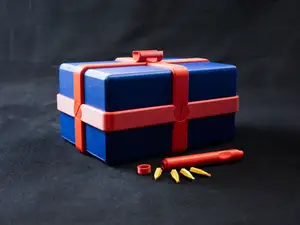

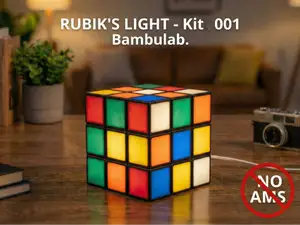

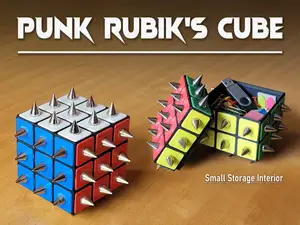

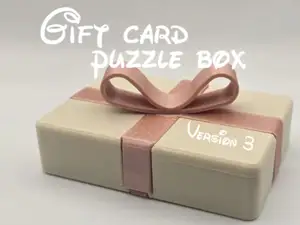

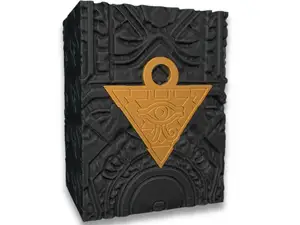

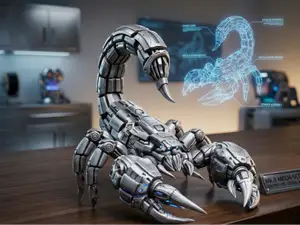

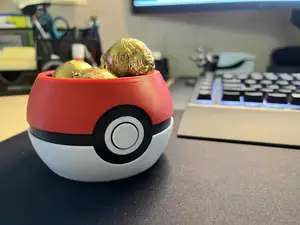

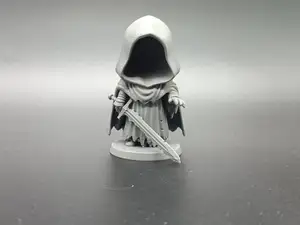

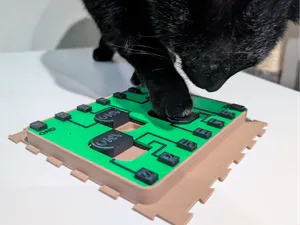

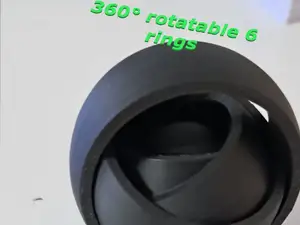




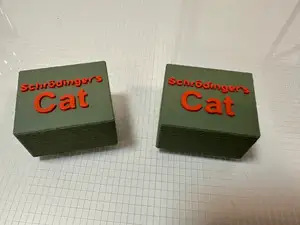
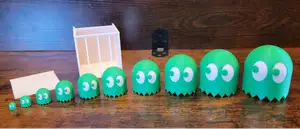

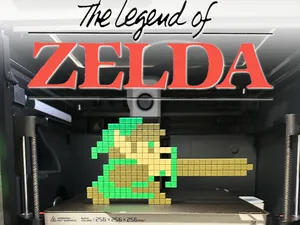

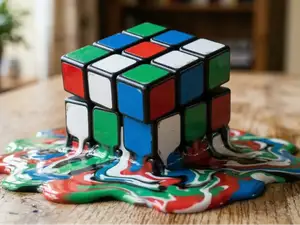
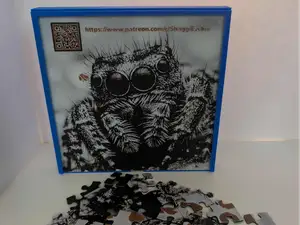
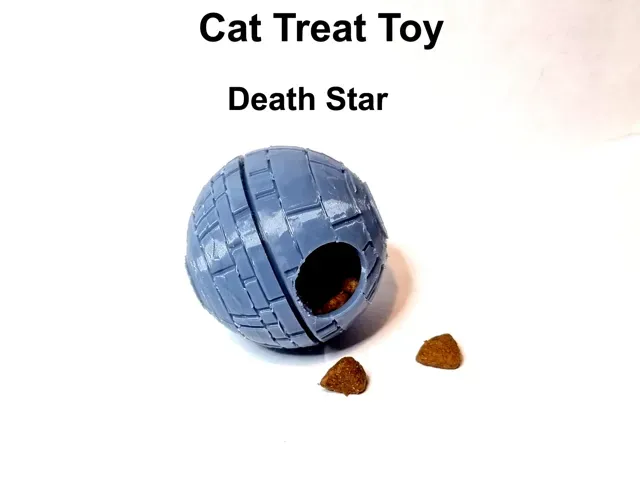
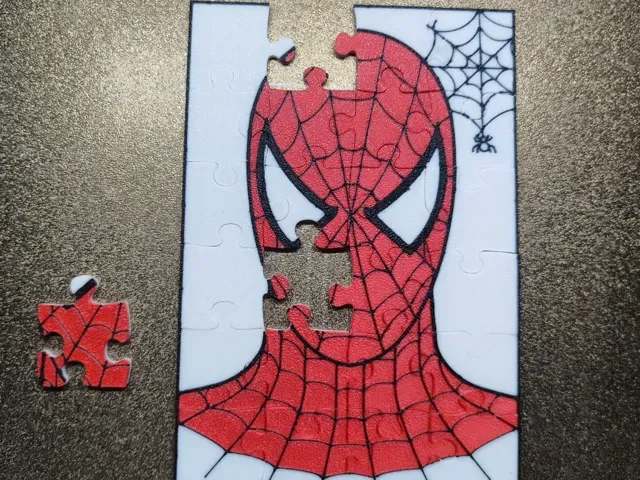
The models fall into a few groups that behave differently on the plate. Twist and cube puzzles depend on precise gaps between rotating pieces, so their parts are usually printed separately and assembled afterwards. Puzzle boxes hide a compartment behind sliding or rotating panels, which means several flat parts that have to line up. Fandom pieces borrow shapes from films, games and comics and range from simple keyring-sized items to multi-part figures, while game inserts and organizers are shaped around the contents of a specific box.
Before printing, read what the author lists on the model page: overall size and scale, the number of parts, whether supports are needed, and the material and settings used. For anything with moving parts, look at the clearance between pieces and at how the model is oriented, since a tight fit can seize up after a slightly over-extruded layer. Photos of real prints are the most useful reference for surface finish and for judging how visible the layer lines will be on small details.
Search results widen quickly if you try other names for the same idea: brain teaser, mechanical puzzle, burr puzzle, twisty puzzle, storage box, insert, organizer, articulated toy or fidget. Related topics such as board game accessories, desk toys and fandom figures often surface models that a single phrase misses. Adding a size or material word, or the name of the mechanism, narrows the list again.
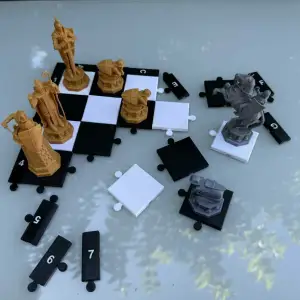


Il catalogo completo dei temi, dalla casa alla lavorazione CNC, con ricerca su tutti i siti collegati.