Gratis 
Fish Fossilz
Thingiverse
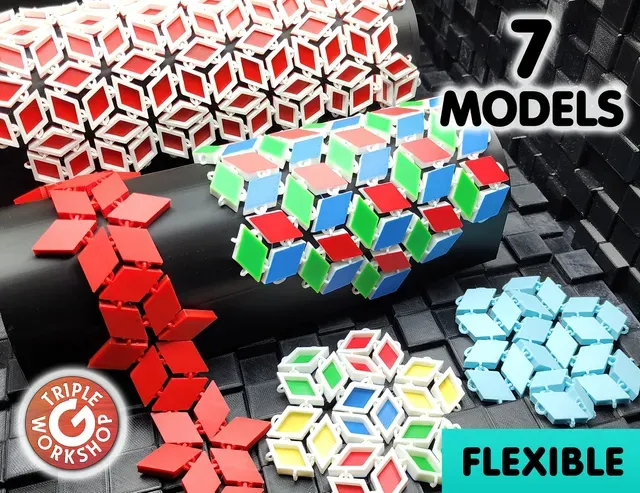
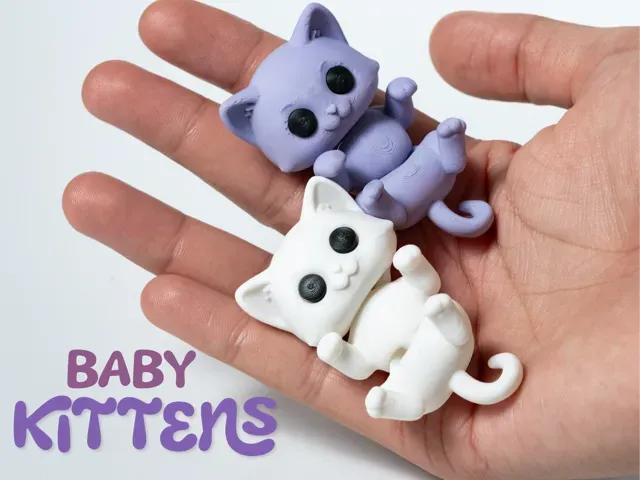
This collection gathers flexible 3D models: articulated animals, dragons, mesh sheets and segmented shapes that bend or move after printing. It is useful when you want a part that is not rigid, from a small desk figure to a functional connector. Most files are STL, so the same model can be scaled and printed on a common 3D printer. Polyzon does not confirm whether models are free, their price, license, official status, affiliation, safety or fitness. Check the current terms at the source.
Il testo di questa raccolta è in inglese; la ricerca funziona in qualsiasi lingua.
 Una raccolta di Polyzon · 48 modelli da 4 siti
Polyzon compone questa raccolta a partire dai risultati di ricerca dei siti collegati. I doppioni e i modelli senza anteprima vengono rimossi, le corrispondenze deboli finiscono in fondo e il resto mantiene l’ordine dei risultati. I modelli appartengono ai rispettivi autori: verifica le condizioni sulla pagina di ciascun modello.
Criteri di selezione a cura della redazione di Polyzon · Testo aggiornato: 13/10/2026
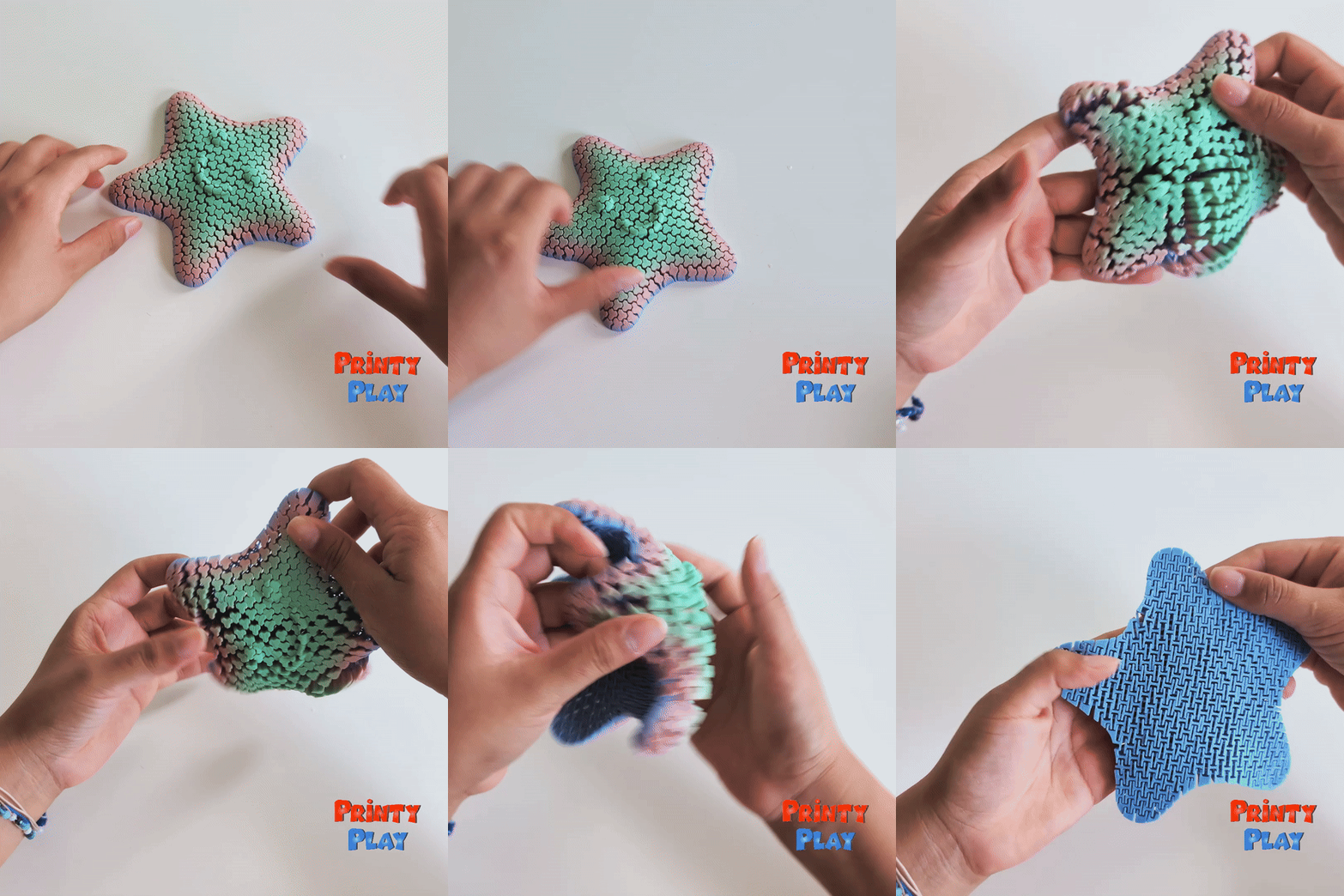

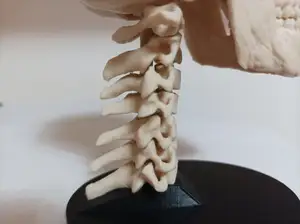
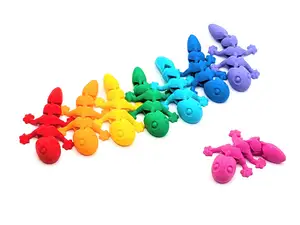
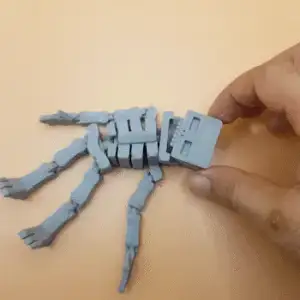


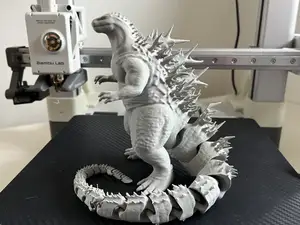
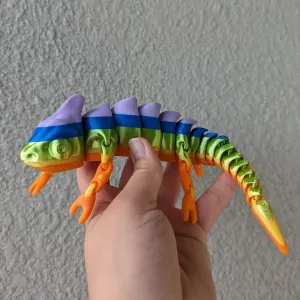

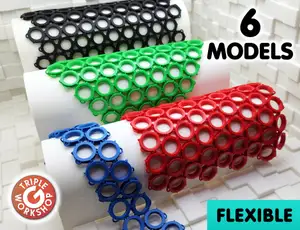
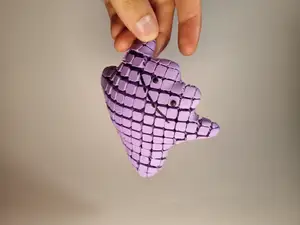
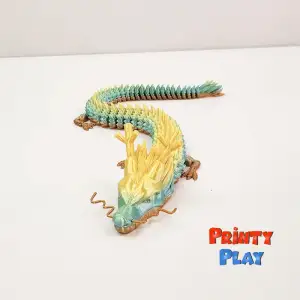

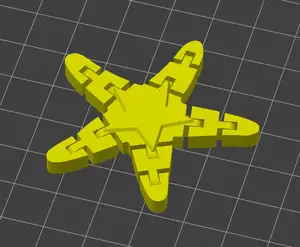
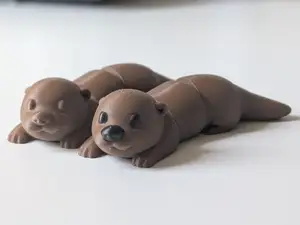
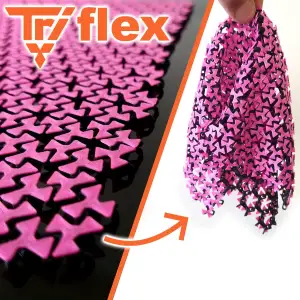

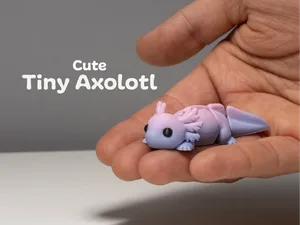
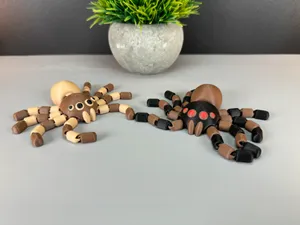

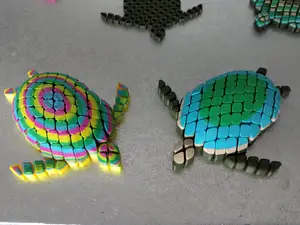
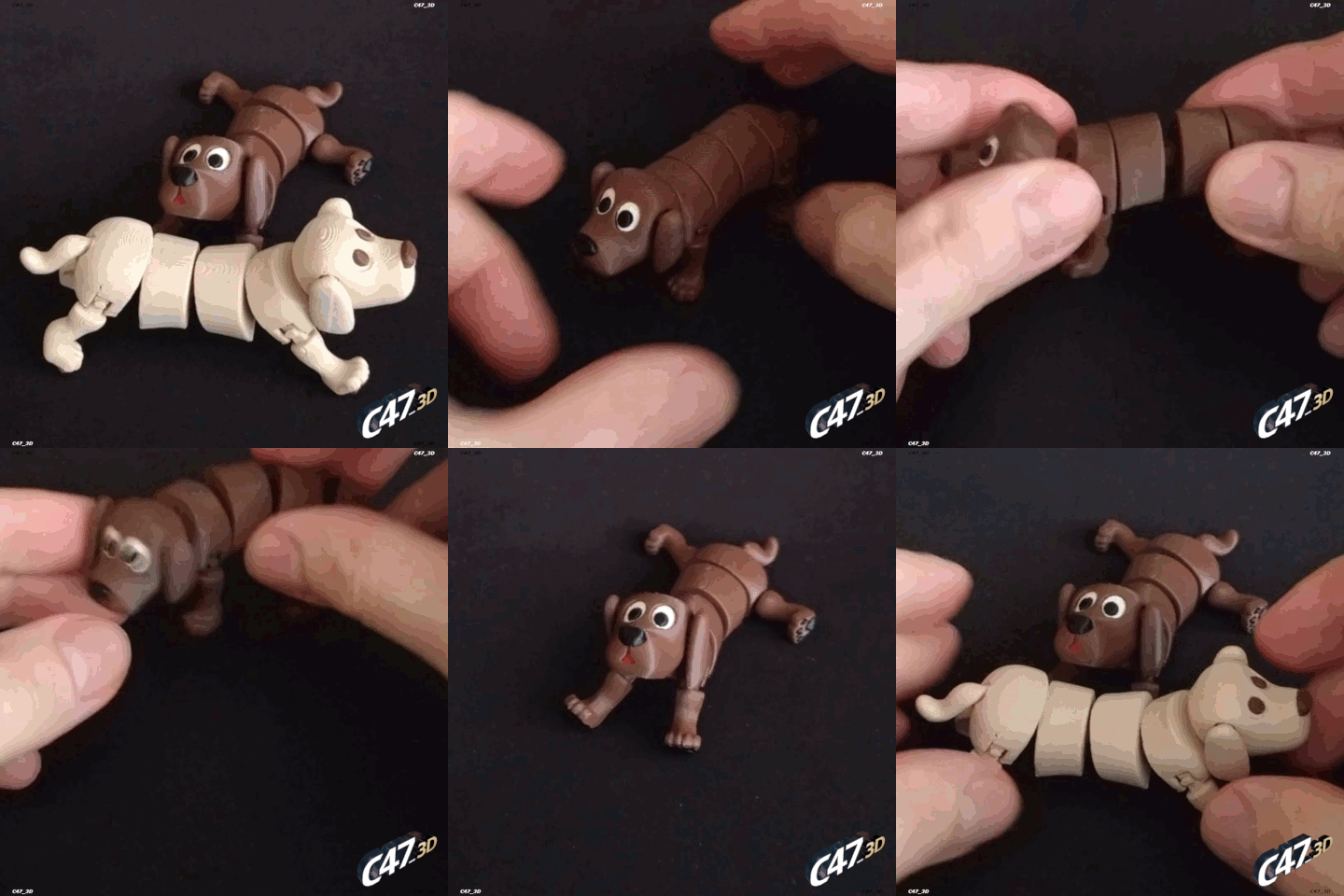

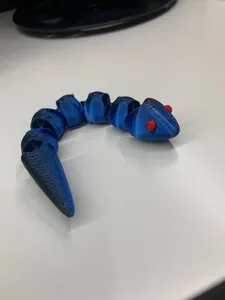
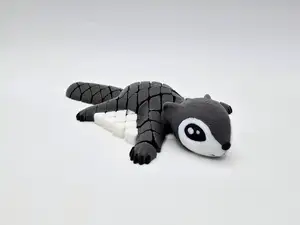
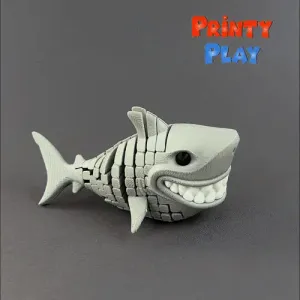

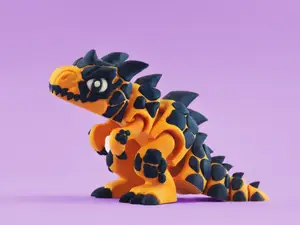
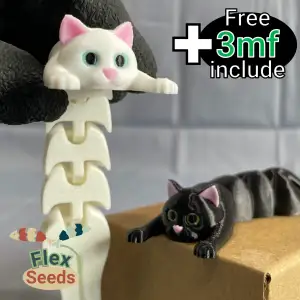

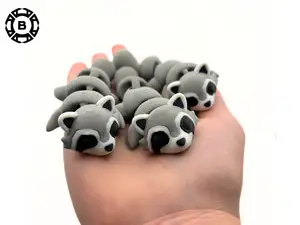
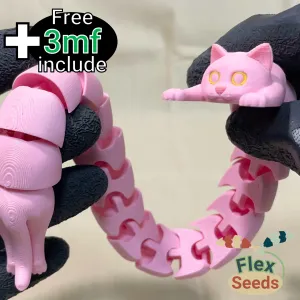

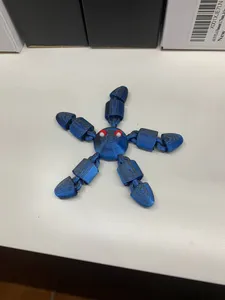
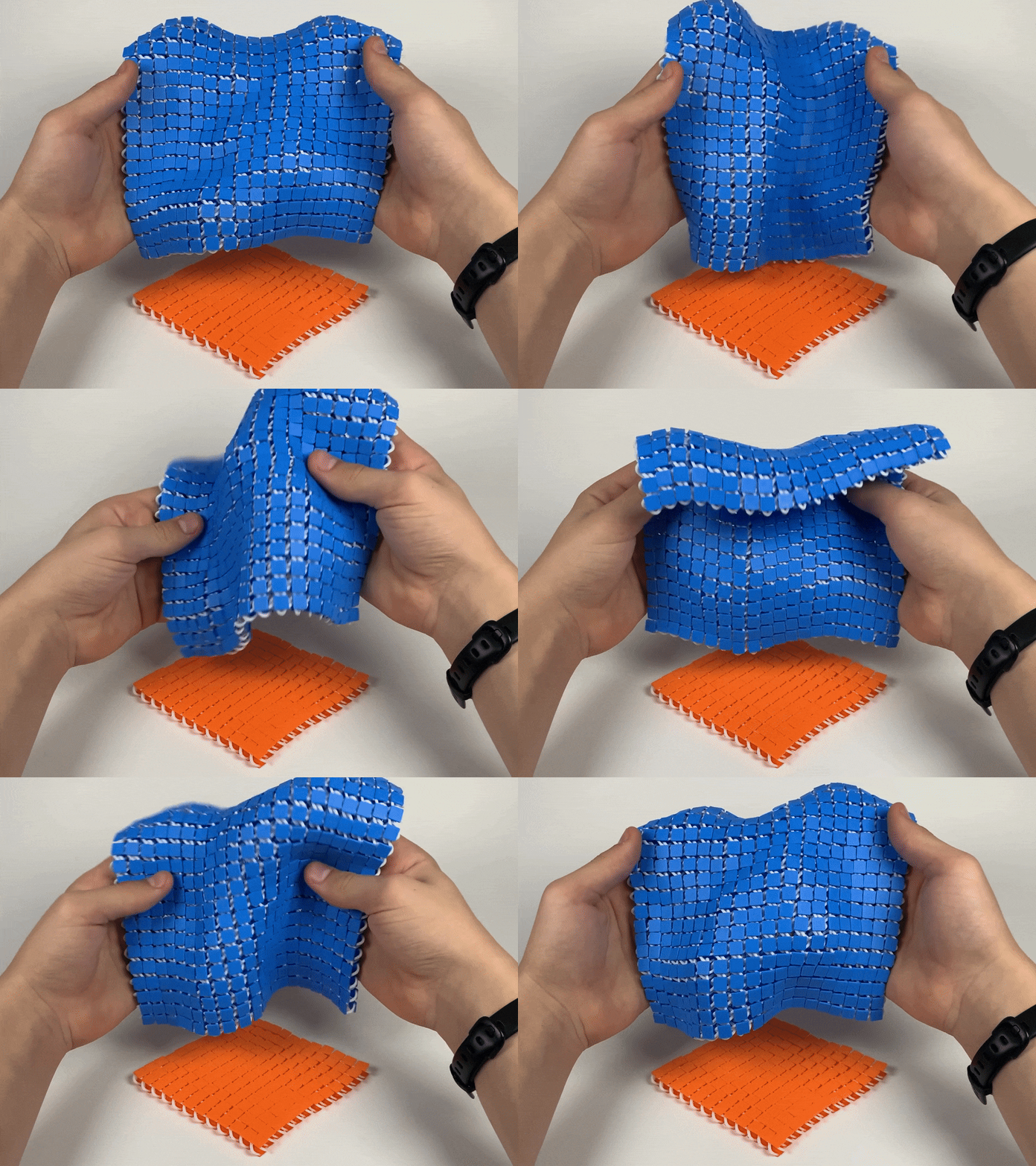
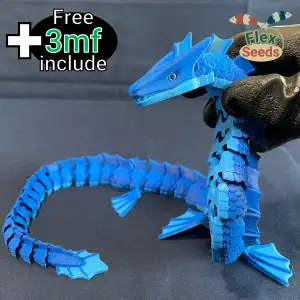

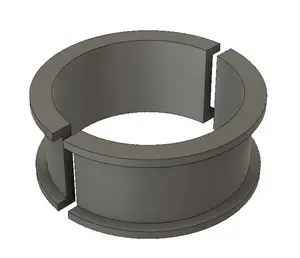
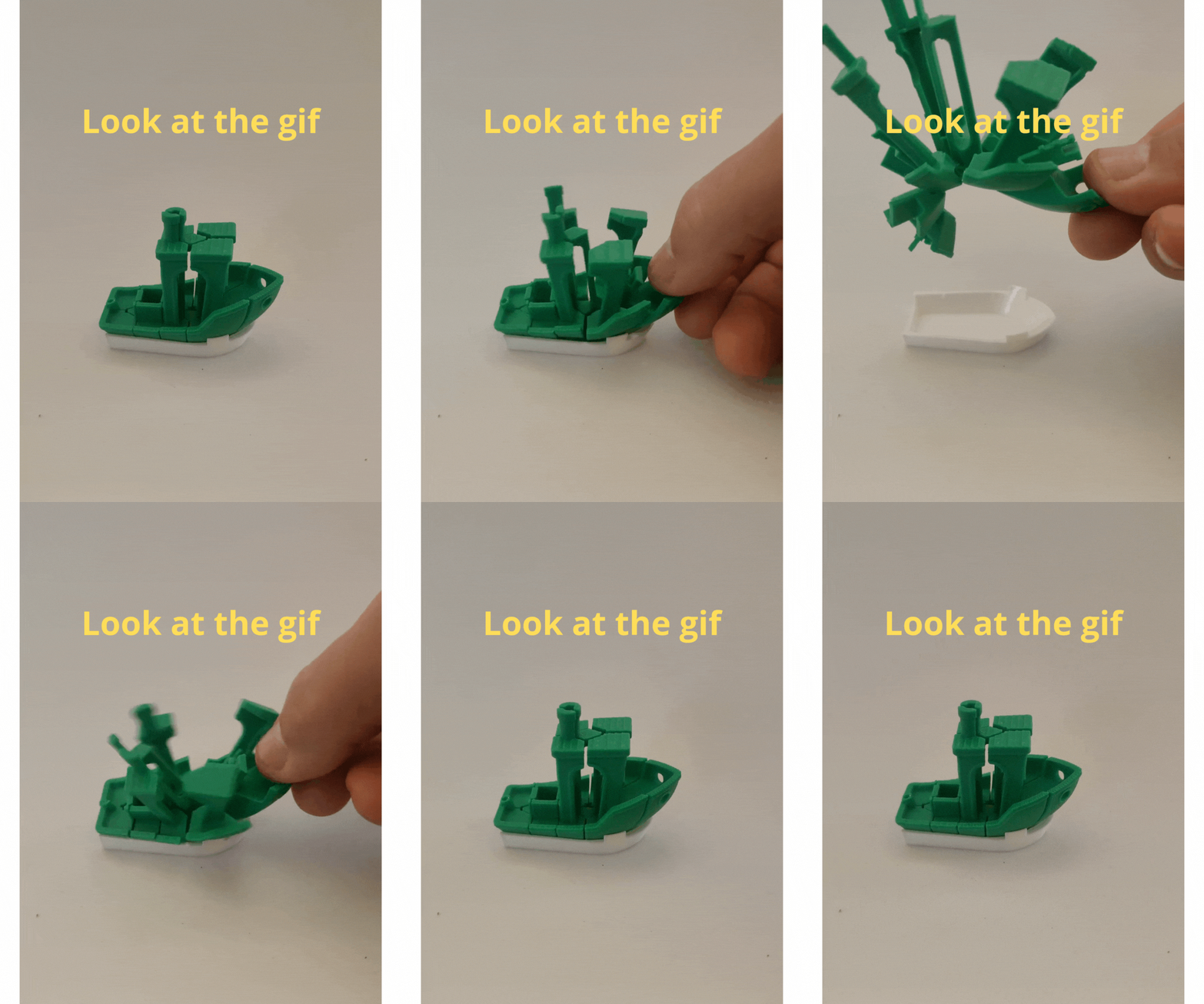

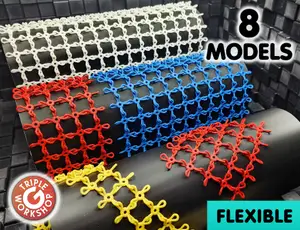
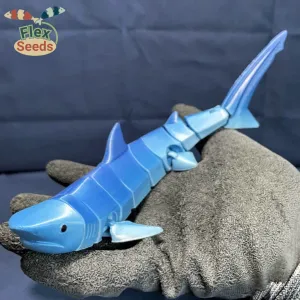
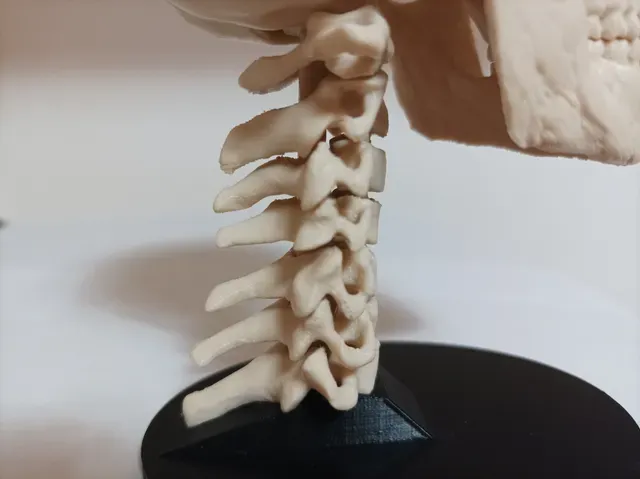
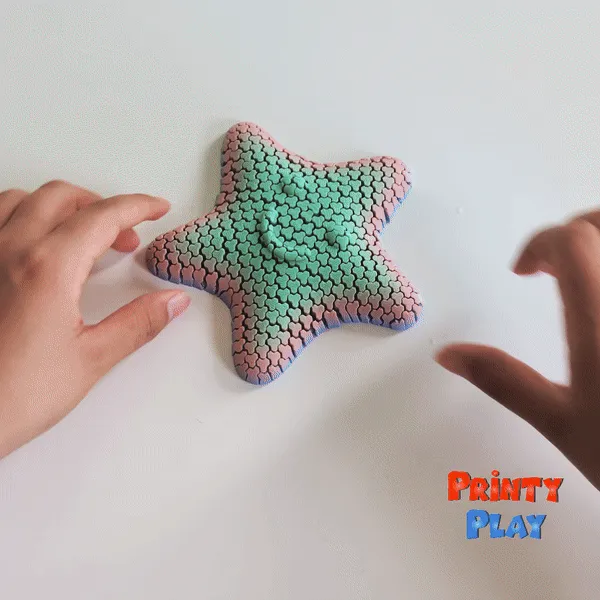
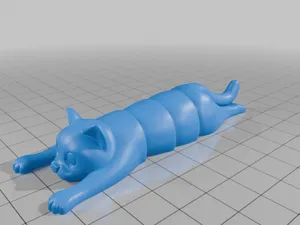
The models fall into a few groups. Articulated animals and fantasy creatures are made of many small segments joined by thin printed hinges, so the whole figure moves as one piece. Mesh and fabric sheets work differently: a dense grid of openings gives the surface its bend, and the pattern decides how far it can flex. Stars, rings and similar geometric shapes sit between the two, while functional parts such as spine sections or hose connectors use the same principle for a practical job.
When choosing a model, open the author's page and look at what is listed there: overall size and scale, number of parts, whether the file is meant to print as one piece or needs assembly, and whether supports are required. For thin hinges and mesh, the material and settings matter more than usual — check the layer height, wall thickness and material the author mentions, and look at photos of real prints to judge how the joints behave. Scaling a model down can close the gaps between segments, so keep the original proportions in mind.
If the results feel narrow, try other wording. Terms like articulated, print-in-place, segmented, chainmail, mesh or fidget describe the same family of models from different angles. Related topics are worth a look too: animal figures, dragons, wearable rings, or flexible parts for repairs and hobby projects. Combining a shape with a movement word usually gives a wider set of files than either term alone.



Il catalogo completo dei temi, dalla casa alla lavorazione CNC, con ricerca su tutti i siti collegati.