
£ 0.99 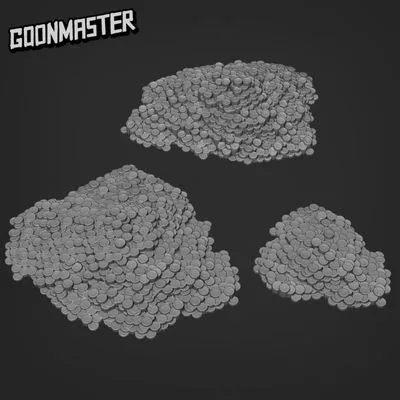
Coin Piles
MyMiniFactory
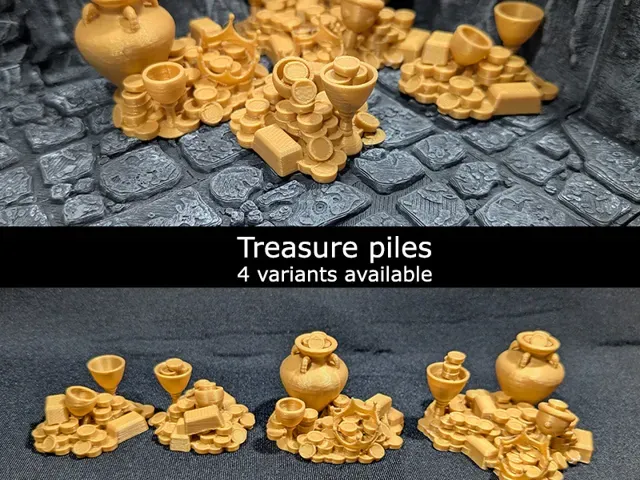
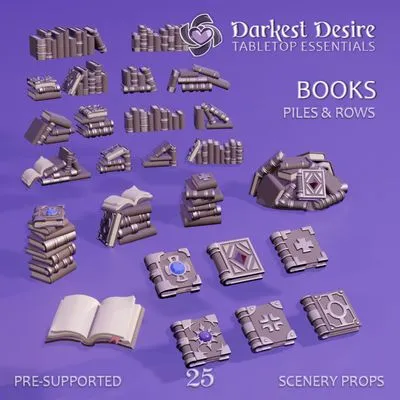
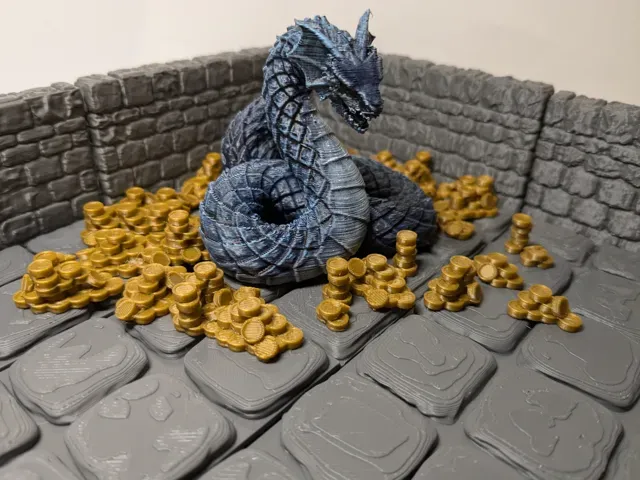
Piles turn up in 3D printing in several forms: hoards of coins and loot, heaps of skulls and bones, rubble for ruined ground, and ordinary stacks of logs or books. The collection is useful because a single heap can fill an empty corner of a tabletop layout or act as a marker during a game. Most files are made for a 3D printer at miniature scale, though some are sized for desk storage instead. Polyzon does not confirm whether models are free, their price, license, official status, affiliation, safety or fitness. Check the current terms at the source.
Il testo di questa raccolta è in inglese; la ricerca funziona in qualsiasi lingua.
 Una raccolta di Polyzon · 47 modelli da 4 siti
Polyzon compone questa raccolta a partire dai risultati di ricerca dei siti collegati. I doppioni e i modelli senza anteprima vengono rimossi, le corrispondenze deboli finiscono in fondo e il resto mantiene l’ordine dei risultati. I modelli appartengono ai rispettivi autori: verifica le condizioni sulla pagina di ciascun modello.
Criteri di selezione a cura della redazione di Polyzon · Testo aggiornato: 10/10/2026
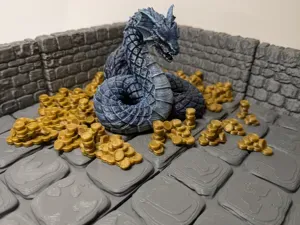


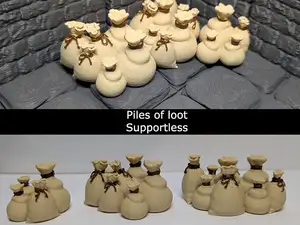
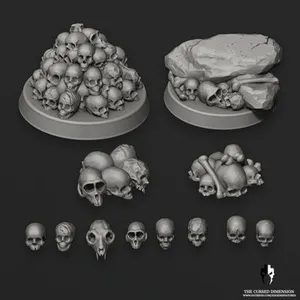


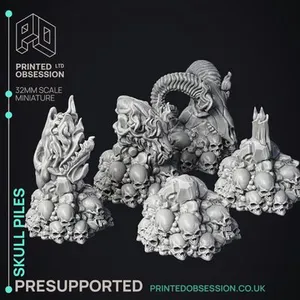
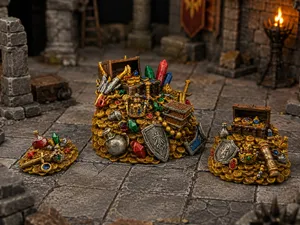

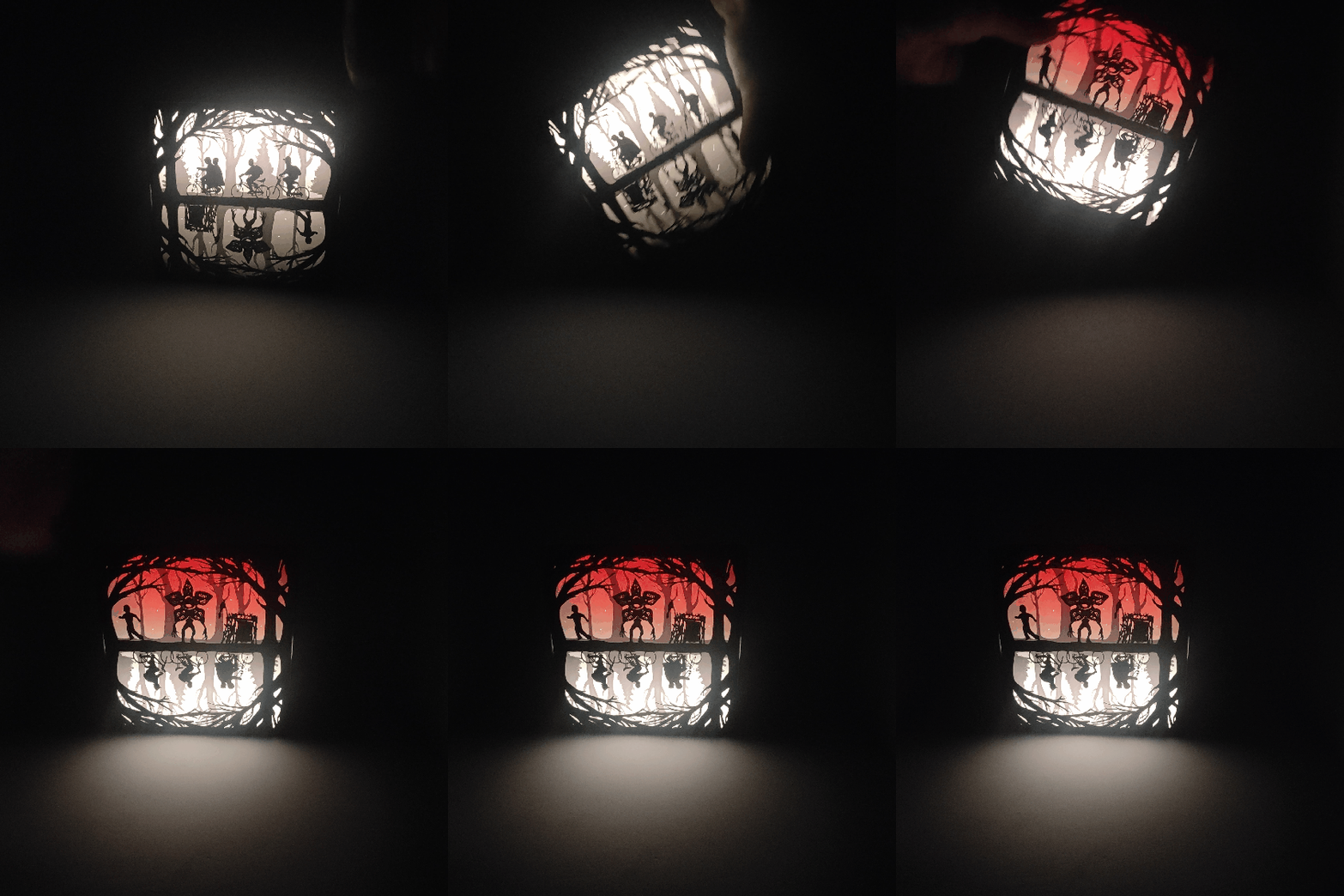
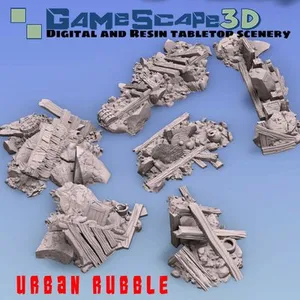
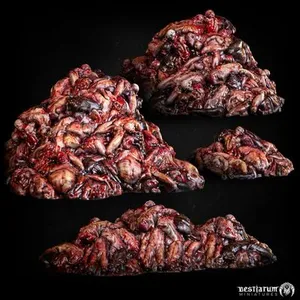


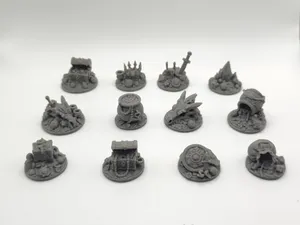


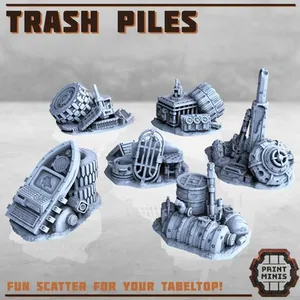


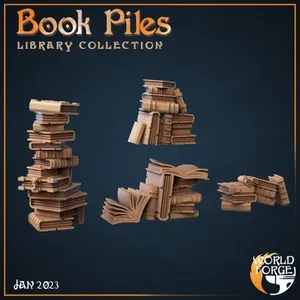
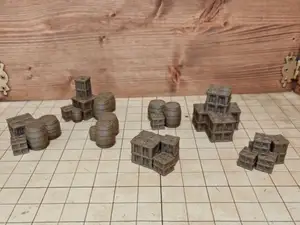
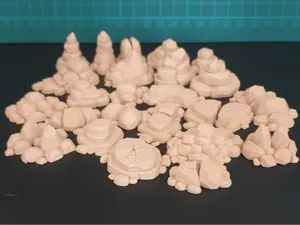
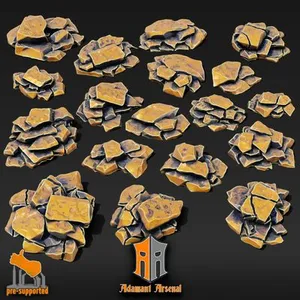

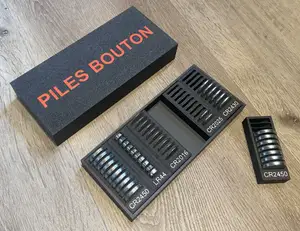
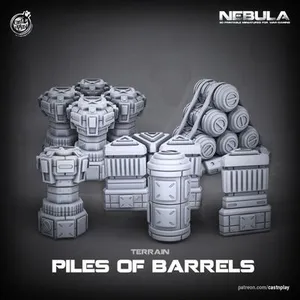

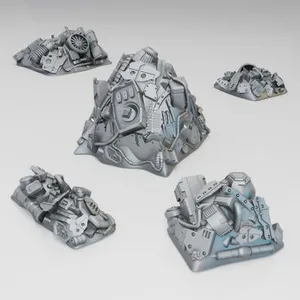
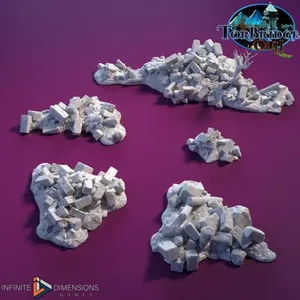
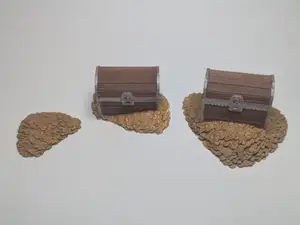
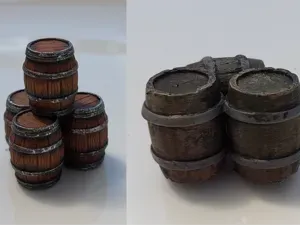
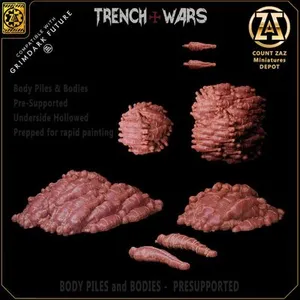

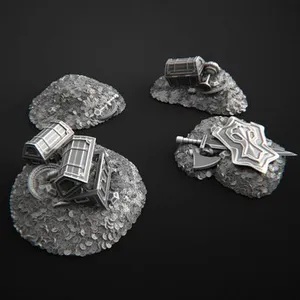

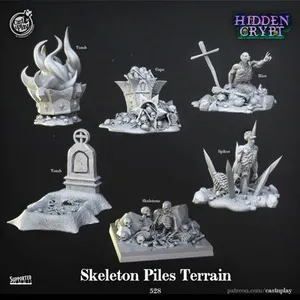
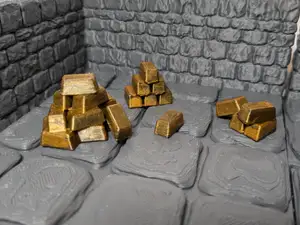
The kinds of piles differ mainly in setting and in how much detail sits on the surface. Treasure and coin heaps read as loot markers and work alongside chests and scattered coins, while skull and bone heaps lean toward dungeons, crypts and undead scenes. Rubble and debris heaps are looser and more irregular, so they blend into ruined floors and urban bases, and stacks of logs or books belong to interiors, camps and workshops.
Before printing, look at the author's model page for scale, overall dimensions and the number of separate parts, since some piles are one solid piece and others are split for easier placement. Check whether supports are needed and where they would touch the visible surface, which material and layer height the author lists, and any photos of real prints. Flat bases and a stable footprint matter more than fine detail if the piece will sit on a game board.
To widen the search, try synonyms such as heap, stack, hoard, debris or scatter, and pair them with terms like terrain, diorama, wargaming or tabletop. Related topics that often appear next to piles include treasure chests, ruins, bones, gravel and dungeon furniture, so searching those words can surface pieces that fit the same scene.


Il catalogo completo dei temi, dalla casa alla lavorazione CNC, con ricerca su tutti i siti collegati.