
Gratis 
Gear Fidget Spinner
Cults3D
This collection gathers 3D models that use standard ball bearings as a working part: spinners, printed bearing races, planters and vases with inserts, and holders for tools and spools. Most of them are small enough to print on a desktop 3D printer in one or two sessions. It is a useful starting point if you already keep a few bearings on hand or want a project that moves rather than sits still. Polyzon does not confirm whether models are free, their price, license, official status, affiliation, safety or fitness. Check the current terms at the source.
Il testo di questa raccolta è in inglese; la ricerca funziona in qualsiasi lingua.
 Una raccolta di Polyzon · 40 modelli da 2 siti
Polyzon compone questa raccolta a partire dai risultati di ricerca dei siti collegati. I doppioni e i modelli senza anteprima vengono rimossi, le corrispondenze deboli finiscono in fondo e il resto mantiene l’ordine dei risultati. I modelli appartengono ai rispettivi autori: verifica le condizioni sulla pagina di ciascun modello.
Criteri di selezione a cura della redazione di Polyzon · Testo aggiornato: 15/10/2026


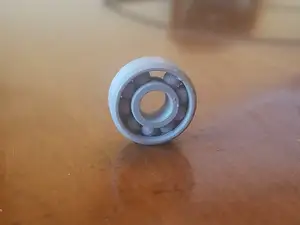

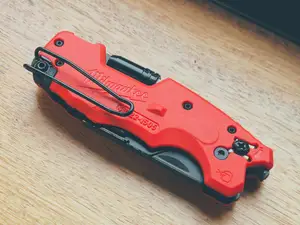

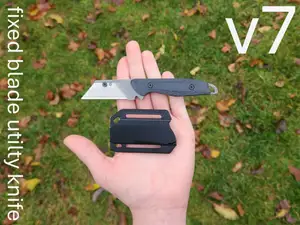

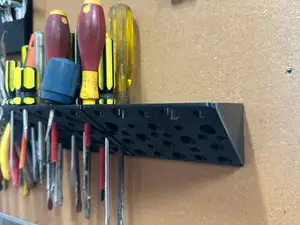

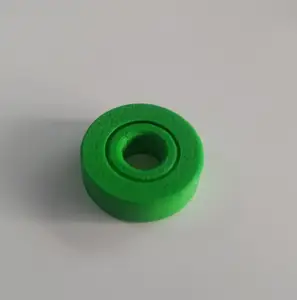

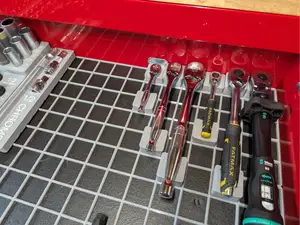

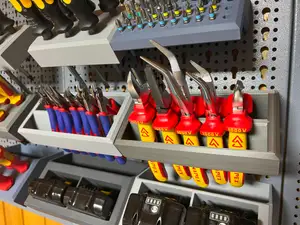


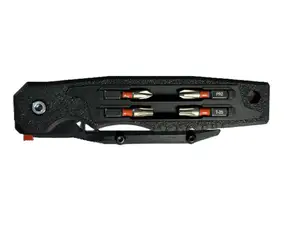

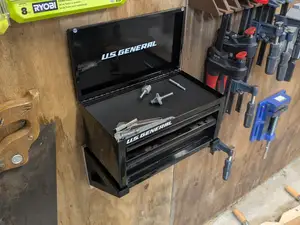

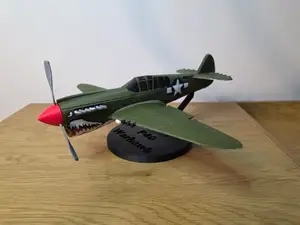

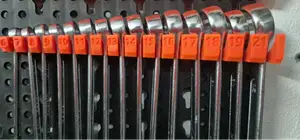

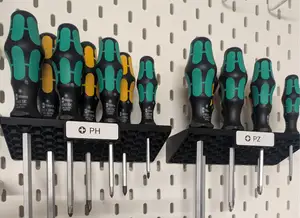

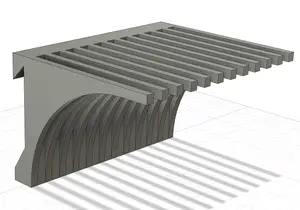

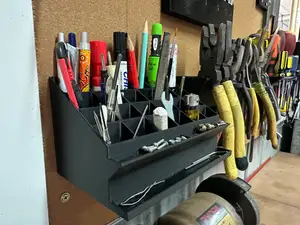

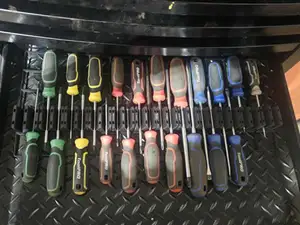

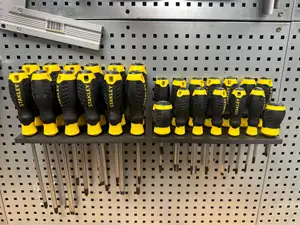
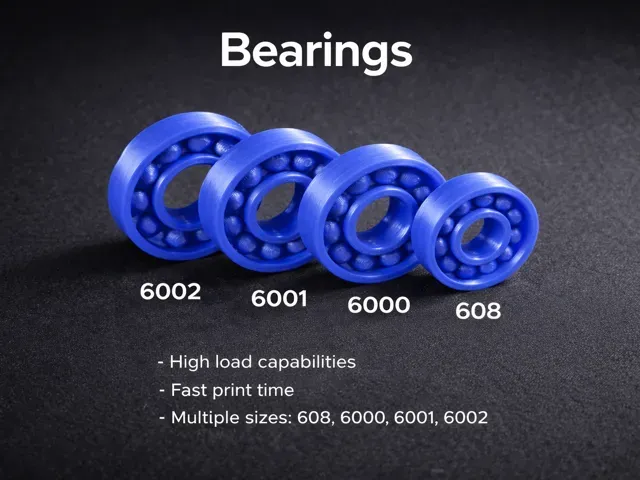
The models fall into a few groups. Spinners and bearing toys rely on a bearing as the rotating core, while print-in-place bearings are printed as a single piece with a small gap between races. Planters and vases use a separate inner insert, so the outer shell and the insert can differ in colour or material. Holders and mounts, such as spool or tool holders, use bearings to reduce friction or simply to locate a shaft.
When choosing a model, check which bearing size it expects: 608 is the common skate size, but some designs use 6000, 6001 or smaller bearings, and the outer diameter and width decide whether the part fits. Look at the number of separate parts and whether they are meant to be glued or snapped together. Read the author's notes on material, layer height, wall count and clearance, and look at photos of real prints to judge how the gaps and inserts turned out.
To narrow the results, search by the bearing designation itself, or by the function rather than the object name: spinner, fidget, bearing holder, spool holder, wall mount, planter insert, flower pot, vase. Related terms such as EDC, workshop storage or desk toy often surface models that the obvious wording misses. If a design is close but not exact, check whether it can be scaled, and whether the bearing seat or insert fit would change with it.




Il catalogo completo dei temi, dalla casa alla lavorazione CNC, con ricerca su tutti i siti collegati.