
Gratis 
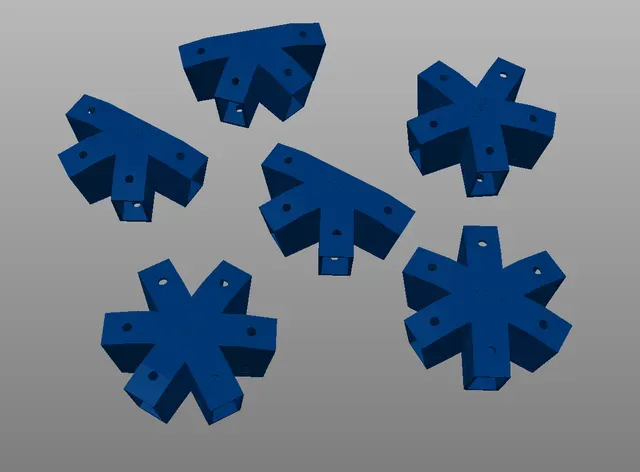
Geodesic Hubs - 1V 2V 3V 4V 5V 6V Connector for Geodesic Dome with customizer
Thingiverse
This collection gathers 3D models of connectors and hubs used to join the struts of geodesic domes, from pipe fittings to hubs cut for wooden battens. Most files are parametric, so the same model can be adapted to a different strut size or dome frequency before 3D printing. It is useful if you are planning a dome frame and need the joints rather than the covering. Polyzon does not confirm whether models are free, their price, license, official status, affiliation, safety or fitness. Check the current terms at the source.
Il testo di questa raccolta è in inglese; la ricerca funziona in qualsiasi lingua.
 Una raccolta di Polyzon · 48 modelli da 7 siti
Polyzon compone questa raccolta a partire dai risultati di ricerca dei siti collegati. I doppioni e i modelli senza anteprima vengono rimossi, le corrispondenze deboli finiscono in fondo e il resto mantiene l’ordine dei risultati. I modelli appartengono ai rispettivi autori: verifica le condizioni sulla pagina di ciascun modello.
Criteri di selezione a cura della redazione di Polyzon · Testo aggiornato: 11/10/2026


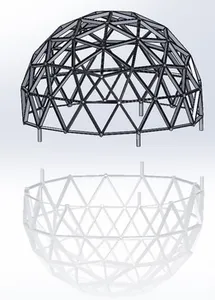
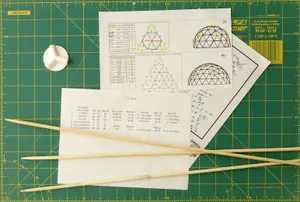
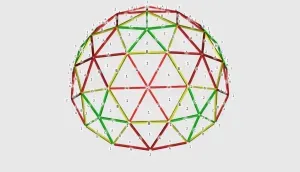
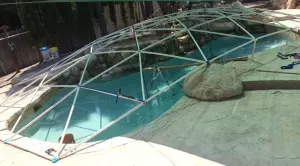


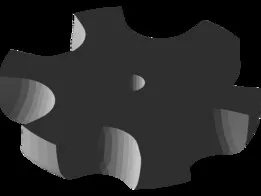


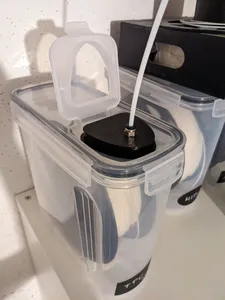
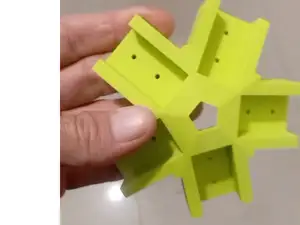
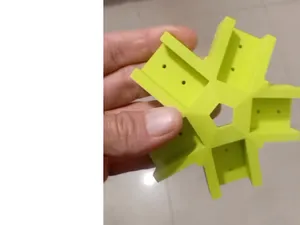


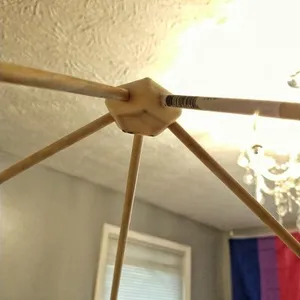
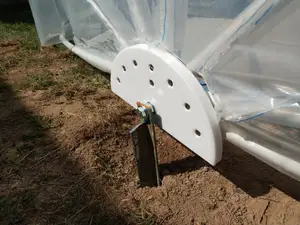
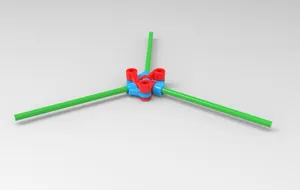


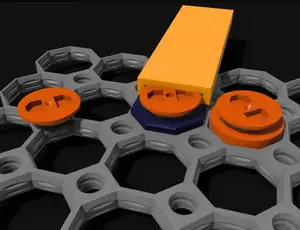

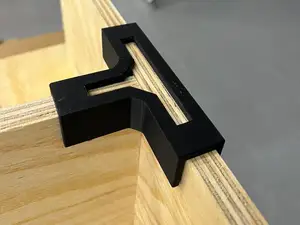

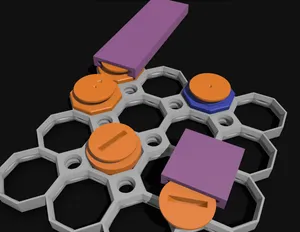


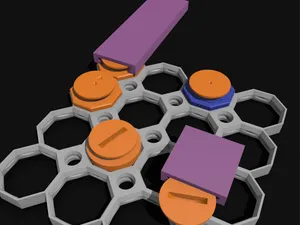


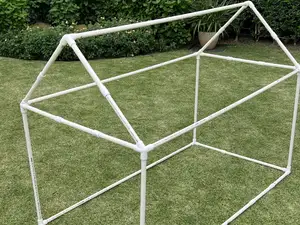
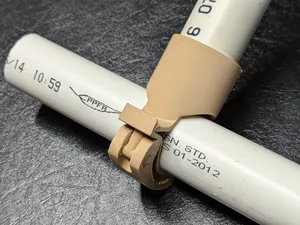
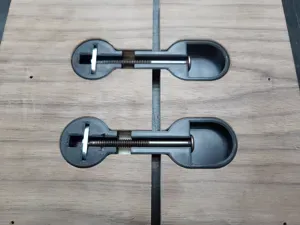
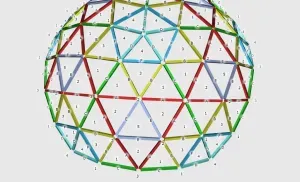
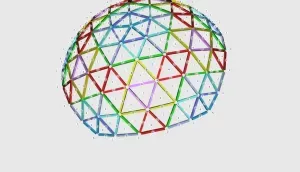

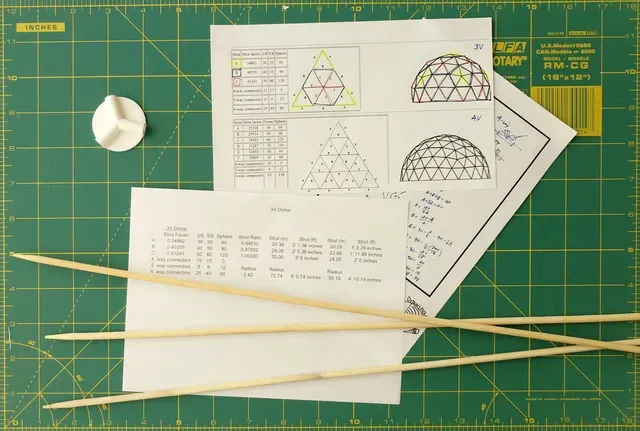
The models differ mainly by what they hold. Some are sockets sized for a named pipe diameter, others are cleat-style hubs that clamp flat lumber, and a third group is scaled down for skewers or thin rods used in tabletop domes. Frequency matters too: a hub set for a low subdivision has fewer distinct angles than one for a denser frame, so the number of separate parts changes with the geometry.
When choosing a file, read the author's notes on strut size, hub angle and wall thickness, and compare them with the material you intend to use. Look at how many parts the set contains and whether they are meant to be glued, bolted or press-fitted. Check the photos of real prints for how the sockets sit on the struts, and see which material and settings the author lists, since joints take more load than the struts themselves.
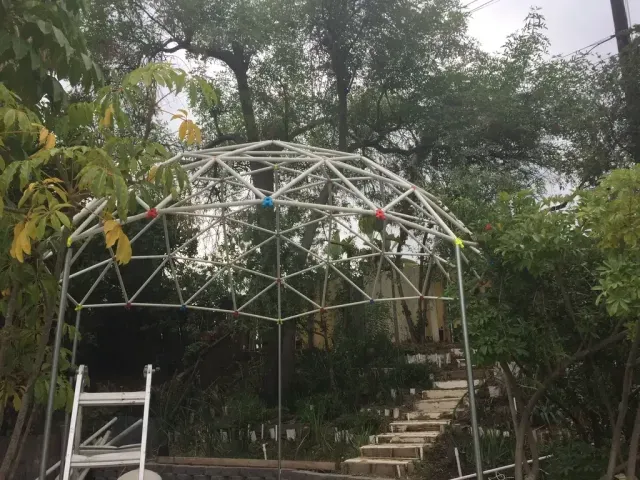
To narrow the results, search by the strut you already have: pipe diameter, lumber cross-section or rod thickness, plus the subdivision you plan. Related terms such as hub, node, joint, vertex or frame will surface alternatives, and combining them with the intended use, for example a greenhouse frame or a play structure, brings up sets built around that scale. Changing the frequency number in the query is often enough to move from one family of connectors to another.



Il catalogo completo dei temi, dalla casa alla lavorazione CNC, con ricerca su tutti i siti collegati.