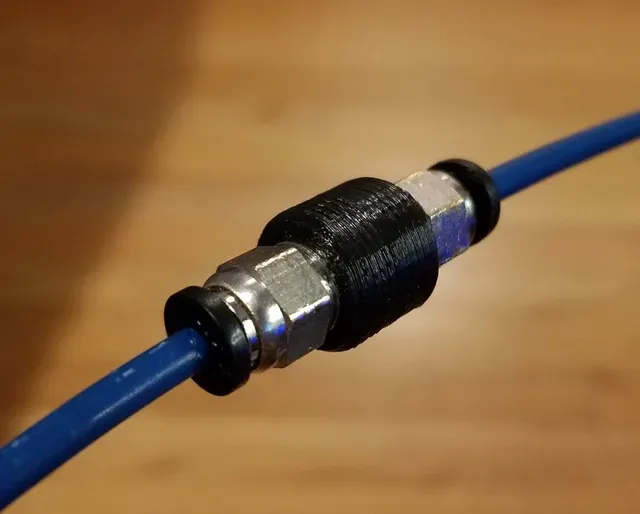

Gratis 
Parametric Z-axis coupler (stepper and threaded rod coupling)
Thingiverse
This collection brings together coupler 3D models for very different jobs, from motor shafts and tubing to magazines and model trains. Every entry is an STL or another file prepared for 3D printing, so the useful comparison is the joint each one solves. Use it to find a starting shape, then adjust dimensions to your own parts. Polyzon does not confirm whether models are free, their price, license, official status, affiliation, safety or fitness. Check the current terms at the source.
Il testo di questa raccolta è in inglese; la ricerca funziona in qualsiasi lingua.
 Una raccolta di Polyzon · 48 modelli da 4 siti
Polyzon compone questa raccolta a partire dai risultati di ricerca dei siti collegati. I doppioni e i modelli senza anteprima vengono rimossi, le corrispondenze deboli finiscono in fondo e il resto mantiene l’ordine dei risultati. I modelli appartengono ai rispettivi autori: verifica le condizioni sulla pagina di ciascun modello.
Criteri di selezione a cura della redazione di Polyzon · Testo aggiornato: 13/10/2026






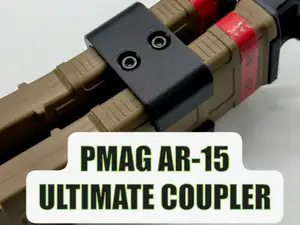









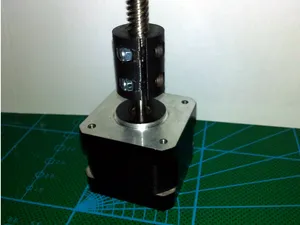
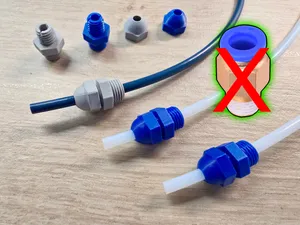


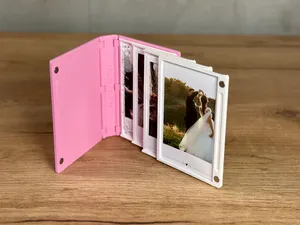


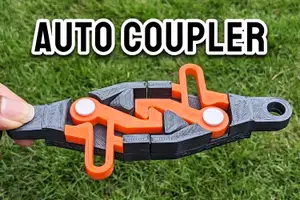


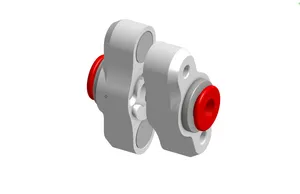
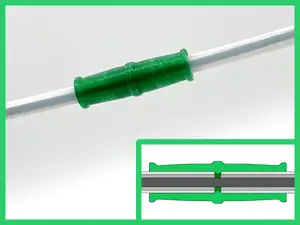





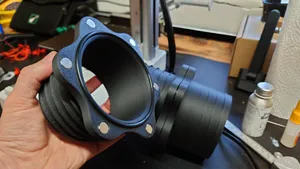


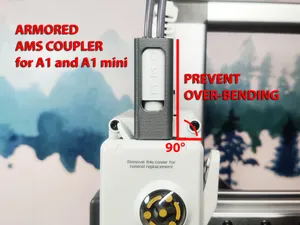
Shaft and axis couplers join a motor shaft to a threaded rod or to a second shaft, and their bore diameters, set-screw positions and overall length differ between designs. PTFE and pneumatic couplers are fittings for tubing, usually described by thread and tube size. Magazine couplers hold two magazines side by side, while rail couplers reproduce the hook, loop or knuckle links used on model trains. Decorative pairs form a separate group: they are figures or silhouettes rather than mechanical parts.
Before printing, read the author's page for bore and thread dimensions, the number of parts and how they assemble, and whether supports are needed. The material and settings listed by the author give a starting point, but a coupler that carries torque or grips a tube needs a wall count and infill that match the load. Photos of real prints show how the joint sits after assembly and where the tolerances fall.
Search terms change with the joint you have in mind: try shaft coupling, flexible coupling or motor coupling, or the diameter you need, such as 5 mm or 8 mm. For tubing, search by thread and tube size, for example PTFE or pneumatic fitting. Rail and magazine topics use their own vocabulary — knuckle, hook, G scale, magazine clamp — and browsing related categories such as printer parts, hobby or toys often turns up variants the first query misses.


Il catalogo completo dei temi, dalla casa alla lavorazione CNC, con ricerca su tutti i siti collegati.