
Gratis 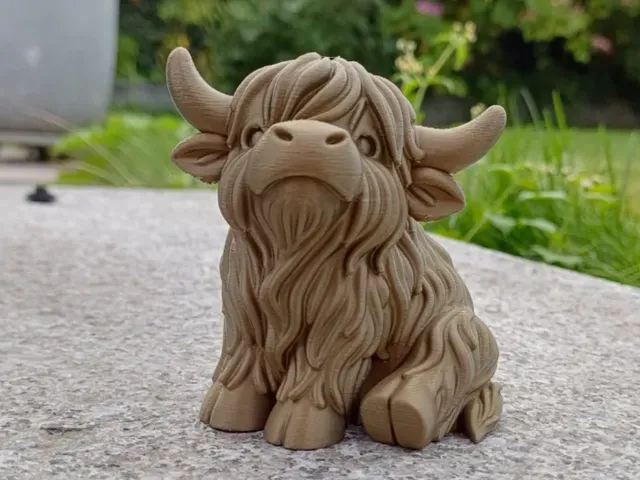
Chonky Highland Cow – Shaggy Horned Cutie
MakerWorld
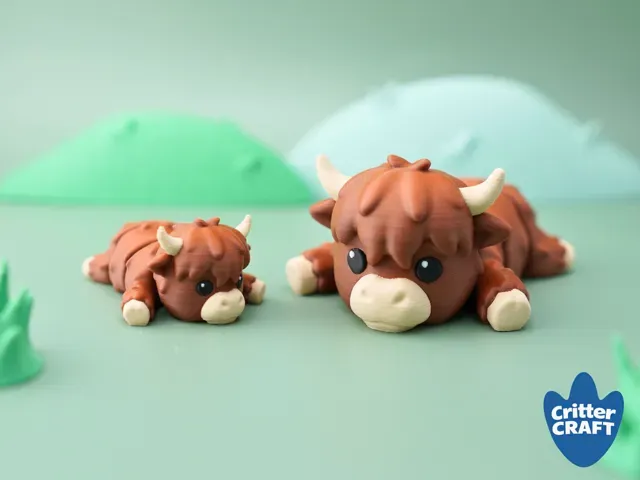
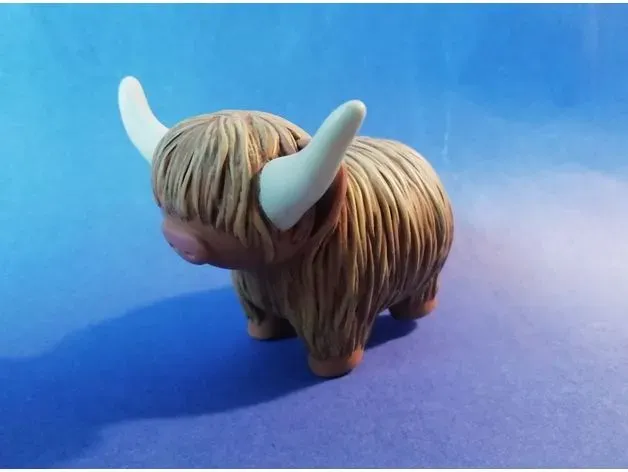
This collection gathers cow-themed 3D models: shaggy highland cattle, cows with a knitted surface, articulated fidget versions, keychains and a few household items shaped like a cow. It is useful when you want a small figure for a shelf, a print that moves in your hand, or a cow form applied to something practical. Most files are made for a desktop 3D printer, and the range of styles means you can pick a level of detail that matches your nozzle and patience. Polyzon does not confirm whether models are free, their price, license, official status, affiliation, safety or fitness. Check the current terms at the source.
Il testo di questa raccolta è in inglese; la ricerca funziona in qualsiasi lingua.
 Una raccolta di Polyzon · 47 modelli da 6 siti
Polyzon compone questa raccolta a partire dai risultati di ricerca dei siti collegati. I doppioni e i modelli senza anteprima vengono rimossi, le corrispondenze deboli finiscono in fondo e il resto mantiene l’ordine dei risultati. I modelli appartengono ai rispettivi autori: verifica le condizioni sulla pagina di ciascun modello.
Criteri di selezione a cura della redazione di Polyzon · Testo aggiornato: 12/10/2026

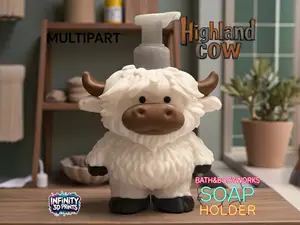
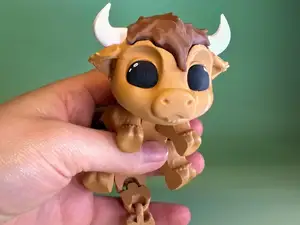
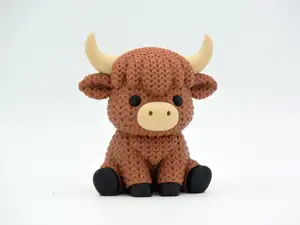
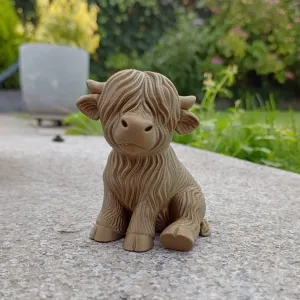


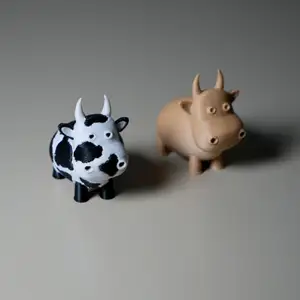
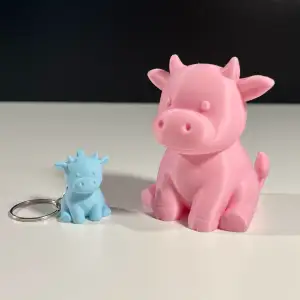


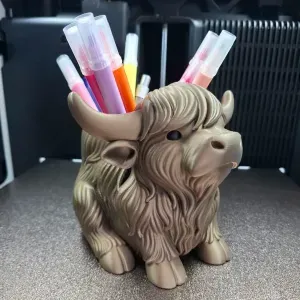

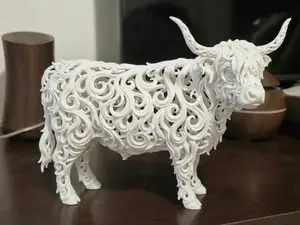
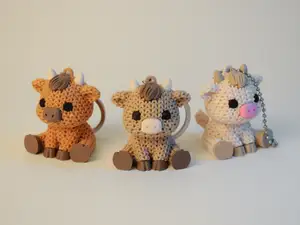
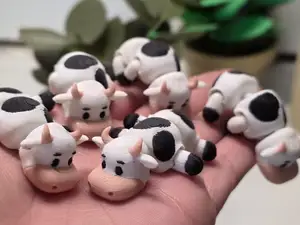

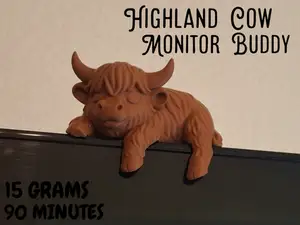

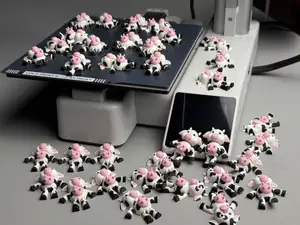

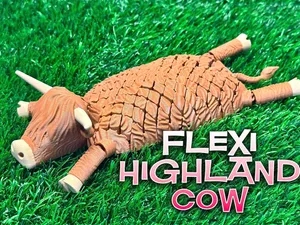
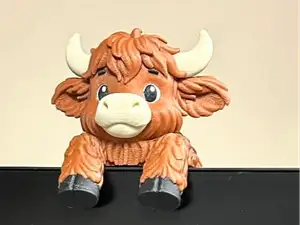
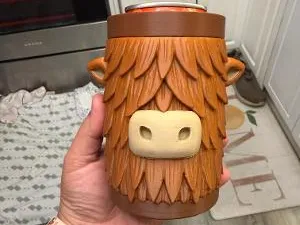
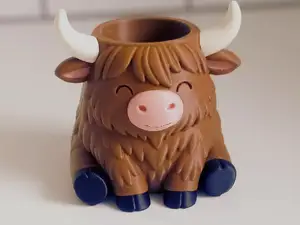
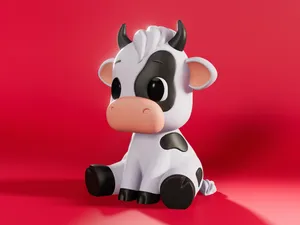
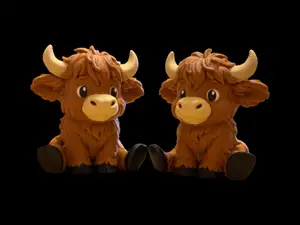
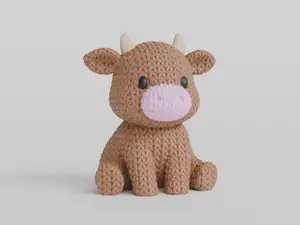
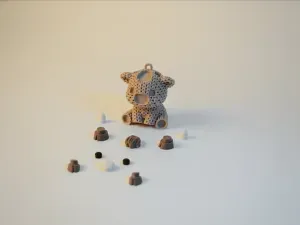


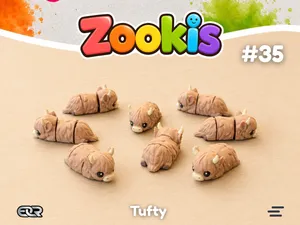

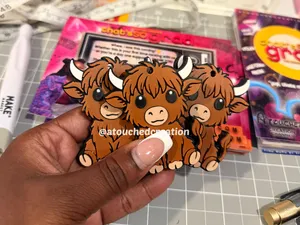
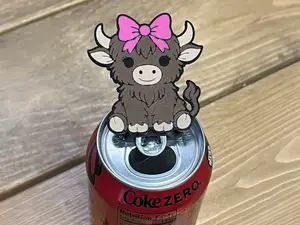

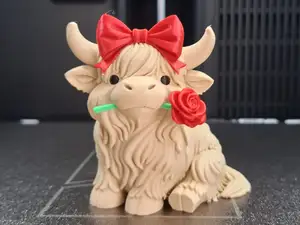


The models differ mainly in surface and structure. Highland cattle are usually built around a bulky body with long hair strands, which makes the silhouette recognizable but adds overhangs around the head and legs. Knitted versions imitate a wool texture with repeating ridges, so the surface carries the look rather than the shape. Flexi and articulated cows are split into linked segments that print as one piece and move after the joints break loose, while keychains and small charms shrink the same idea down to a few centimeters.
Before printing, read the author's page rather than the thumbnail. Check the stated size and scale, since a cow that looks large in a render may be a miniature; count the separate parts and see whether assembly or glue is expected; look at whether the model needs supports and where they sit. The material and settings the author lists matter too, because fine hair strands and thin joints behave differently in PLA and in a softer filament. Photos of real prints show how the texture and the joints actually come out.
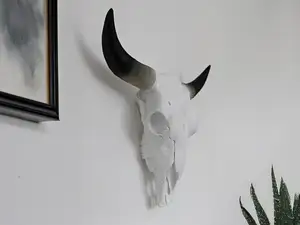
If the results feel narrow, widen the wording. Try terms such as cattle, bull, calf, heifer, livestock or farm animal, and add a style word like low poly, realistic, cartoon, chibi or stylized. Related searches include barn animals, farm dioramas, cow skulls, cow-print patterns and animal keychains, and combining a subject with a use — pen holder, planter, doorstop — often surfaces models that a plain animal query misses.



Il catalogo completo dei temi, dalla casa alla lavorazione CNC, con ricerca su tutti i siti collegati.