
Gratis 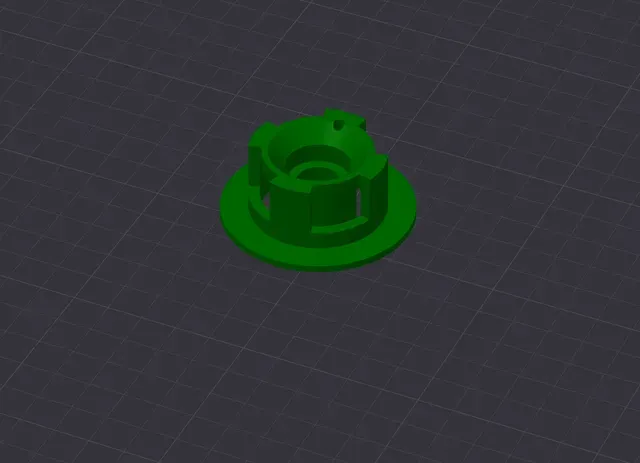
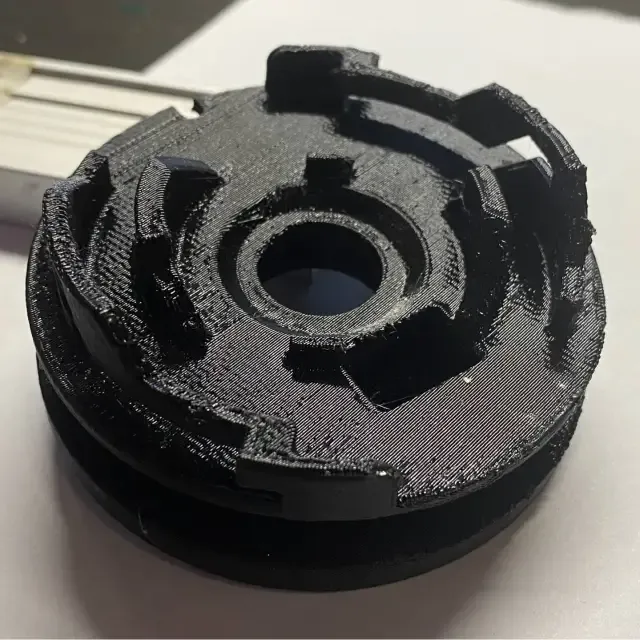
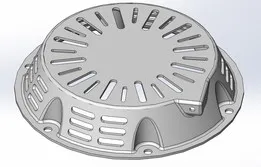
Line trimmer generic pull starter hub
Printables
This collection gathers STL files for starter housings and the parts around them, made for trimmers, brush cutters and similar small engines. It covers outer covers, ratchet hubs, pull handles and spool housings that people model as replacements. Browsing it gives you a starting point for a repair or a redesign before you send a file to a 3D printer. Polyzon does not confirm whether models are free, their price, license, official status, affiliation, safety or fitness. Check the current terms at the source.
Il testo di questa raccolta è in inglese; la ricerca funziona in qualsiasi lingua.
 Una raccolta di Polyzon · 48 modelli da 6 siti
Polyzon compone questa raccolta a partire dai risultati di ricerca dei siti collegati. I doppioni e i modelli senza anteprima vengono rimossi, le corrispondenze deboli finiscono in fondo e il resto mantiene l’ordine dei risultati. I modelli appartengono ai rispettivi autori: verifica le condizioni sulla pagina di ciascun modello.
Criteri di selezione a cura della redazione di Polyzon · Testo aggiornato: 13/10/2026


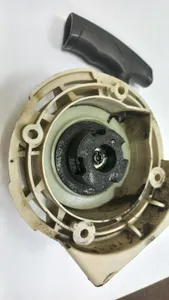
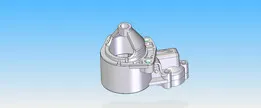
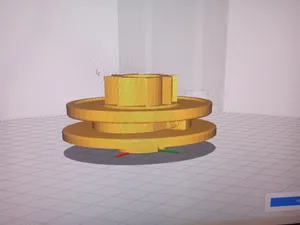

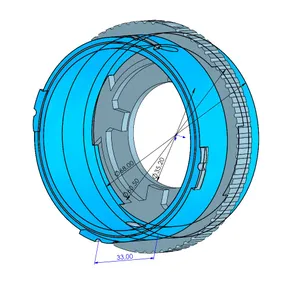

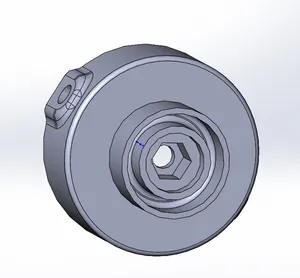


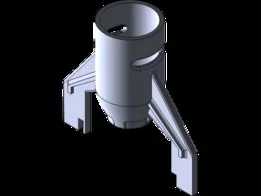

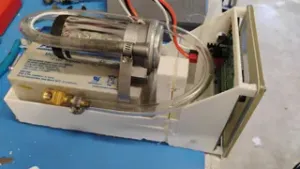
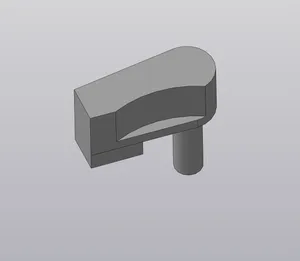

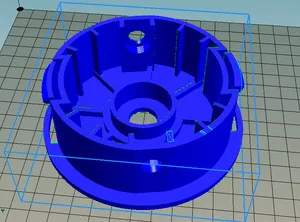
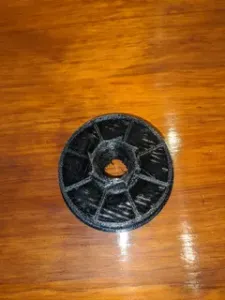
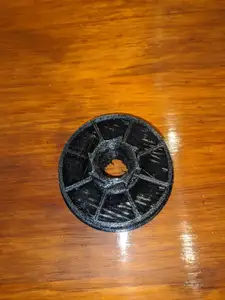




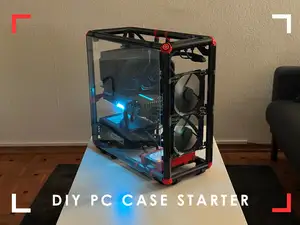
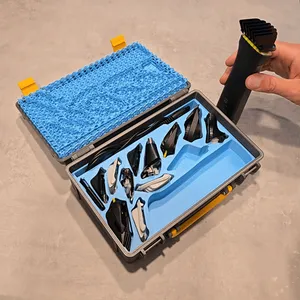


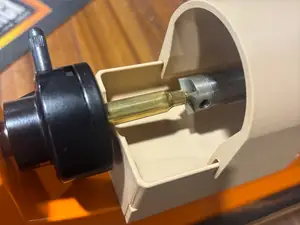


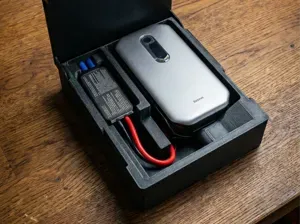
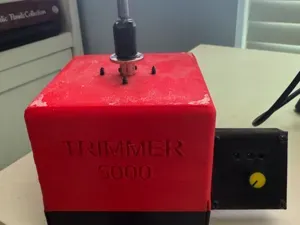
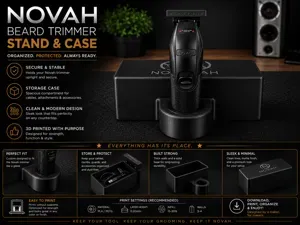
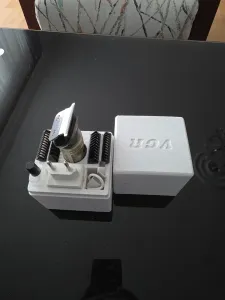
The models fall into a few groups. Full outer housings enclose the recoil spring and rope, while ratchet hubs, pawls and spring seats sit inside and take most of the wear. Separate entries cover pull handles, spool and head housings, and adapters that bridge a housing to a particular engine mount. Some files are one-piece shells, others are split into parts that are glued or screwed together, so the assembly step differs from model to model.
Before printing, compare the author's stated dimensions with the part you are replacing: outer diameter, height, screw boss spacing and the position of the rope exit all matter. Look at how the model is oriented on the plate, since a housing printed flat has different strength along its walls than one printed upright. Check whether the author lists supports, wall thickness and a material; housings that see heat and vibration are usually printed in PETG, ABS or ASA rather than plain PLA. Photos of real prints on the model page show more about fit than a render does.
If the first results are thin, try other names for the same part: recoil starter, pull start, pawl, ratchet, spool cap, engine cover. Related searches such as chainsaw, lawnmower, snow blower or brush cutter often surface housings with a similar layout. You can also search by the engine family or by the shape of the mounting flange when the part name is unknown.



Il catalogo completo dei temi, dalla casa alla lavorazione CNC, con ricerca su tutti i siti collegati.