
Gratis 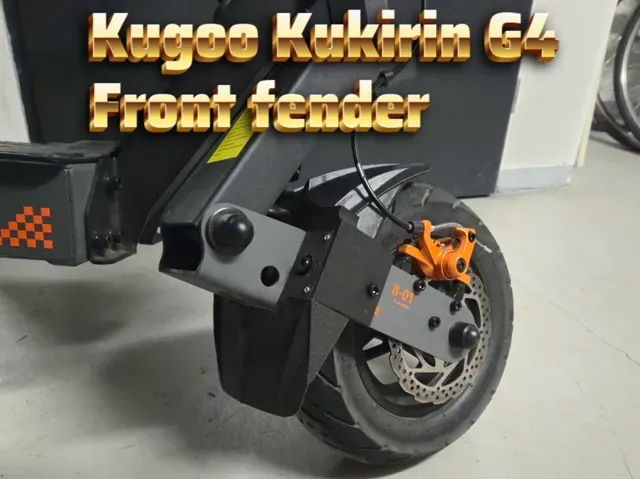
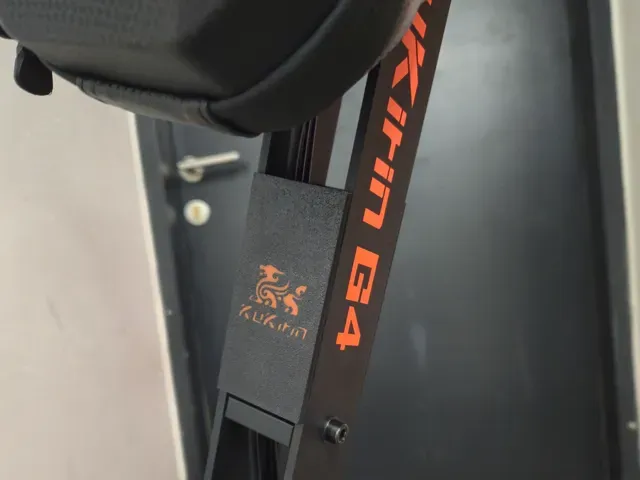
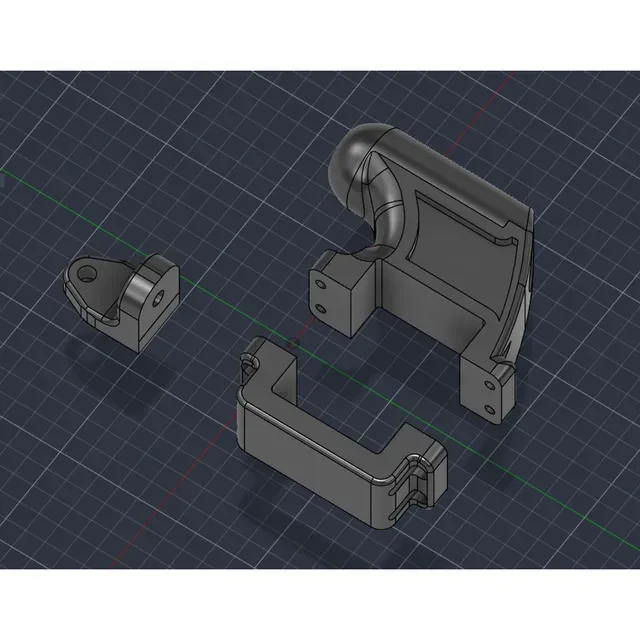
Front fender for Kugoo Kukirin G4 (two parts.)
MakerWorld
This collection gathers 3D models made for Kugoo and Kukirin electric scooters: fenders, light and display mounts, caps, handles and small add-ons. Most of these parts are printed in plastic on a desktop 3D printer and replace or supplement original hardware. It is useful if you already own a scooter and want to repair, adapt or personalise a specific area of it. Polyzon does not confirm whether models are free, their price, license, official status, affiliation, safety or fitness. Check the current terms at the source.
Il testo di questa raccolta è in inglese; la ricerca funziona in qualsiasi lingua.
 Una raccolta di Polyzon · 48 modelli da 6 siti
Polyzon compone questa raccolta a partire dai risultati di ricerca dei siti collegati. I doppioni e i modelli senza anteprima vengono rimossi, le corrispondenze deboli finiscono in fondo e il resto mantiene l’ordine dei risultati. I modelli appartengono ai rispettivi autori: verifica le condizioni sulla pagina di ciascun modello.
Criteri di selezione a cura della redazione di Polyzon · Testo aggiornato: 10/10/2026




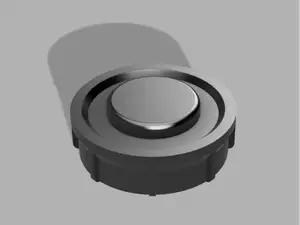
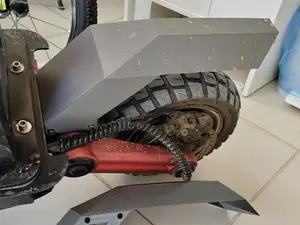


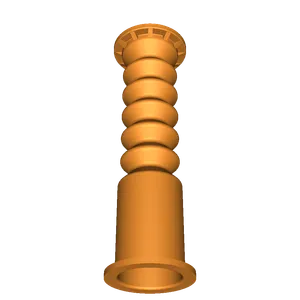


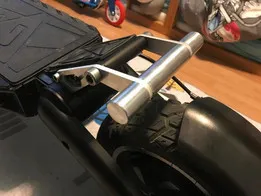
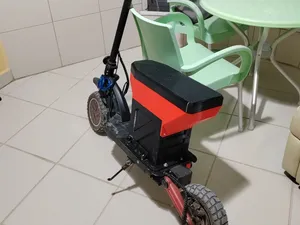




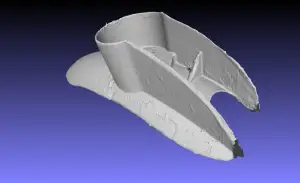
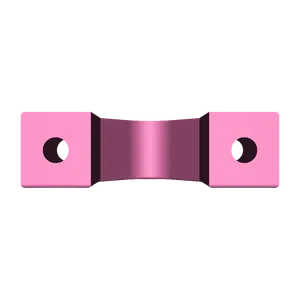
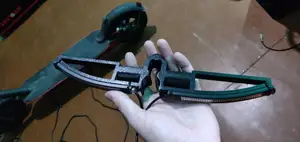
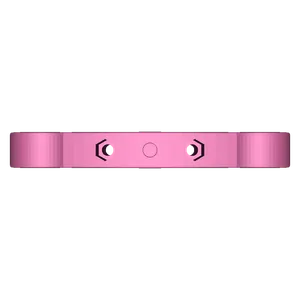


The models fall into a few practical groups. Fenders and mudguards protect the wheels and often come as one piece or as two halves that bolt together. Mounts and brackets hold headlights, displays, steering dampers or phone holders, and they differ mainly in clamp diameter and bolt spacing. Caps, covers and sleeves are small parts that hide or protect a joint, while handles, seats and storage pieces change how the scooter is carried or used.
Before printing, compare the dimensions on the model page with your own scooter: tube diameter, bolt spacing, thread size and the distance between mounting points. Check how many parts the model contains and whether they need assembly or fasteners you have to buy separately. Look at whether the author reports supports, and read the material and settings they list, since outdoor parts usually call for a filament that handles sun and impact. Photos of real prints show how the part sits on the scooter better than a render does.
If a search returns little, try the spelling variants of the brand and the series names that appear in listings, along with the part word itself, such as fender, mudguard, headlight bracket, handlebar mount, display mount, kickstand adapter or keychain. Related topics are also worth a look: scooter accessories, e-scooter repair parts, or generic clamp and bracket models that can be scaled to your measurements. Widening from a single model name to the part category usually brings up more results.


Il catalogo completo dei temi, dalla casa alla lavorazione CNC, con ricerca su tutti i siti collegati.