
Gratis 
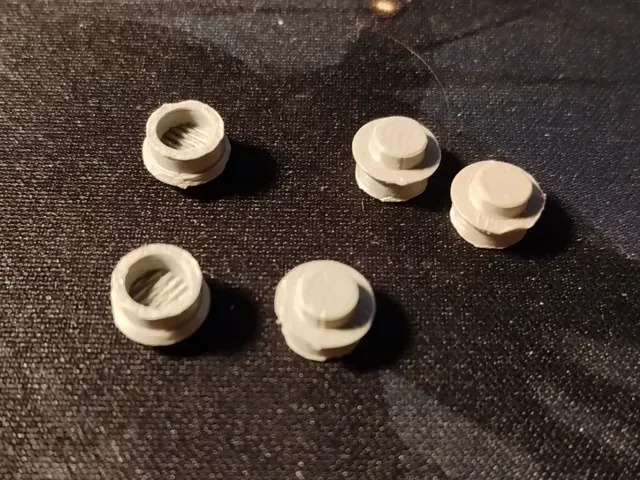
LEGO Round Plate 2X2
Thingiverse
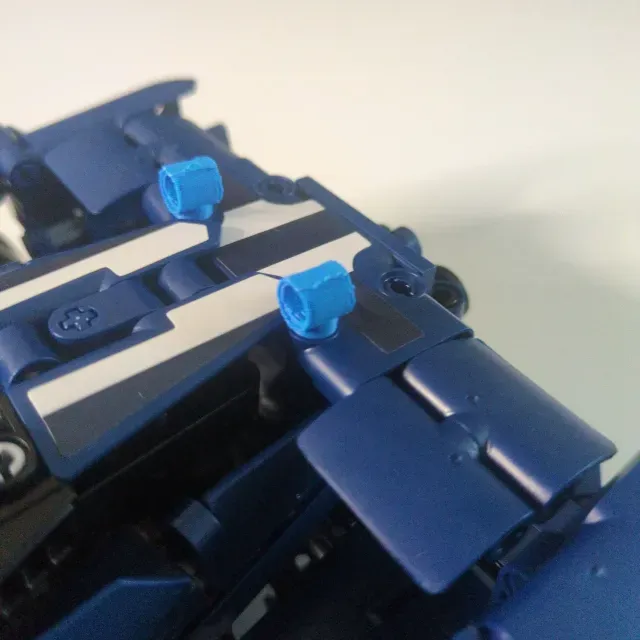
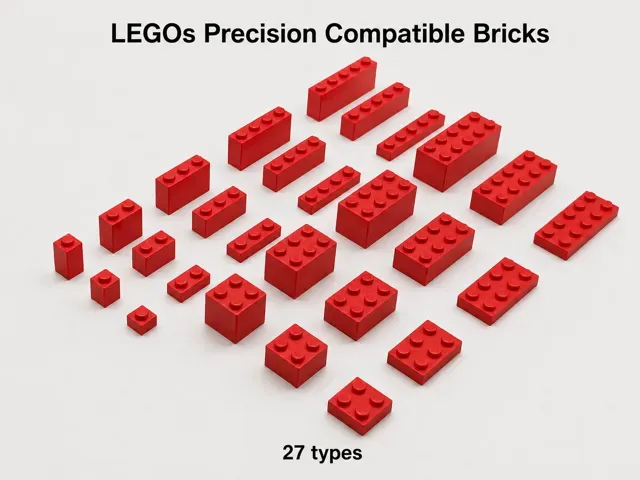
This collection gathers 3D models of round brick-system parts: small plates and flat tiles, bricks with axle holes, quarter- and half-circle tiles, and large circular base plates. It is useful when you need a single round element for a build and want to print it yourself instead of hunting for a spare. Most files are simple shapes, so they are a reasonable starting point for anyone learning how round geometry behaves on a 3D printer. Polyzon does not confirm whether models are free, their price, license, official status, affiliation, safety or fitness. Check the current terms at the source.
Il testo di questa raccolta è in inglese; la ricerca funziona in qualsiasi lingua.
 Una raccolta di Polyzon · 48 modelli da 3 siti
Polyzon compone questa raccolta a partire dai risultati di ricerca dei siti collegati. I doppioni e i modelli senza anteprima vengono rimossi, le corrispondenze deboli finiscono in fondo e il resto mantiene l’ordine dei risultati. I modelli appartengono ai rispettivi autori: verifica le condizioni sulla pagina di ciascun modello.
Criteri di selezione a cura della redazione di Polyzon · Testo aggiornato: 13/10/2026

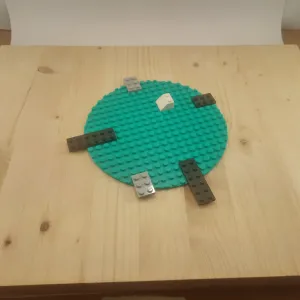

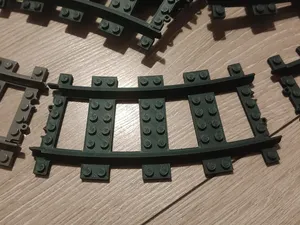
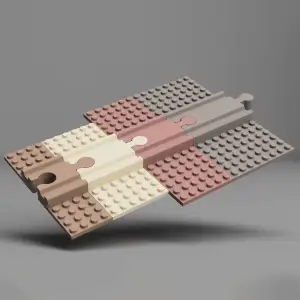
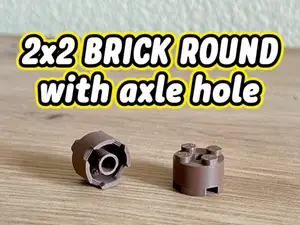
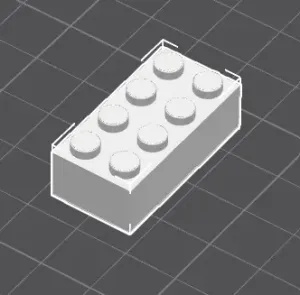

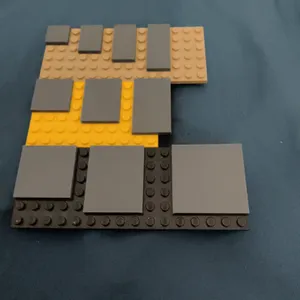

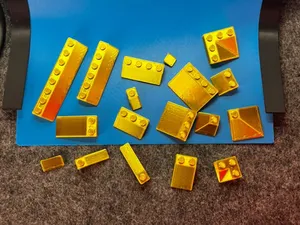
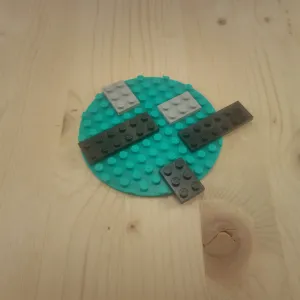
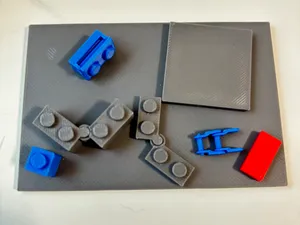
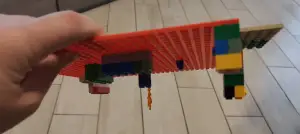

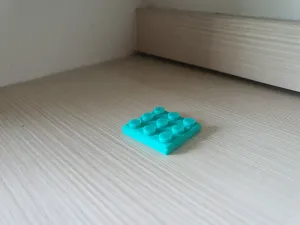

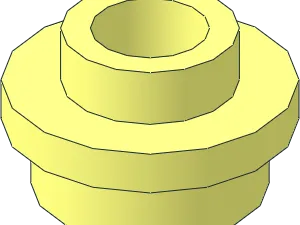
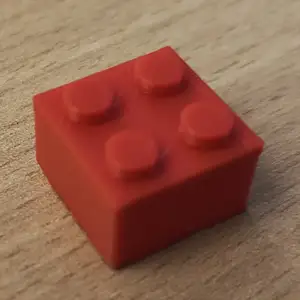


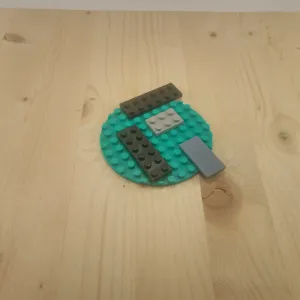

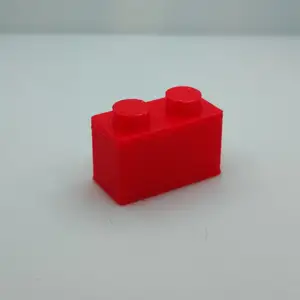
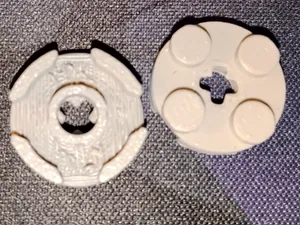
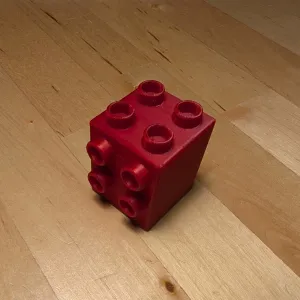

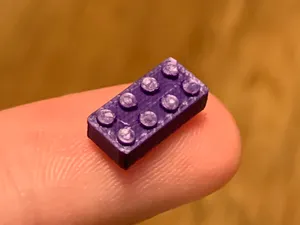
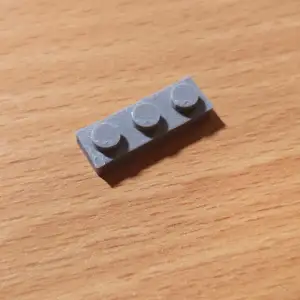

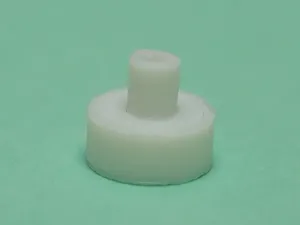

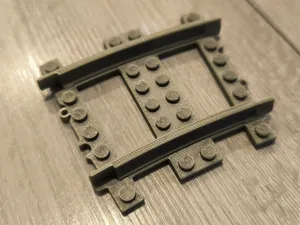
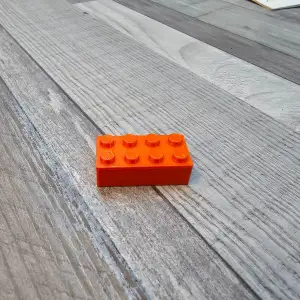


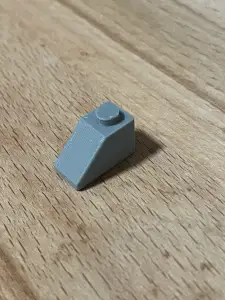


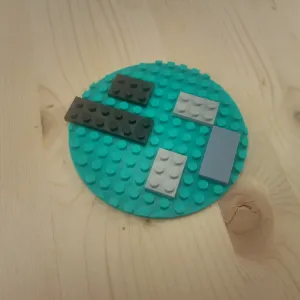
The parts differ mainly in profile and in what sits on top. Flat tiles have a smooth face, round plates keep the stud, and bricks with an axle hole or a hollow core are meant to take a shaft or pin. Quarter- and half-circle tiles cover corners and edges, while the larger circular plates act as a base for a whole assembly. Track and rail pieces use the same round geometry but are longer and often need to be printed in sections.
Before printing, read the author's page for the dimensions and the unit the file is drawn in, since a small plate and a large base plate scale very differently. Check how many parts the model contains, whether it is one piece or an assembly, and whether the author lists supports. Studs, holes and thin rims are the areas where layer height and orientation matter most, so look at photos of real prints to judge how the top surface and the edges come out.
If the results feel narrow, try other words for the same shapes: disc, cylinder, ring, curved tile, corner tile, base plate, or the diameter you need. Searching by the size or the stud count often brings up more than the word round alone. Related topics worth opening are brick-system tiles, slopes and angled pieces, and functional parts such as gears and hinges, which share the same modeling conventions.





Il catalogo completo dei temi, dalla casa alla lavorazione CNC, con ricerca su tutti i siti collegati.