
Gratis 
гибкий мамонт
Cults3D
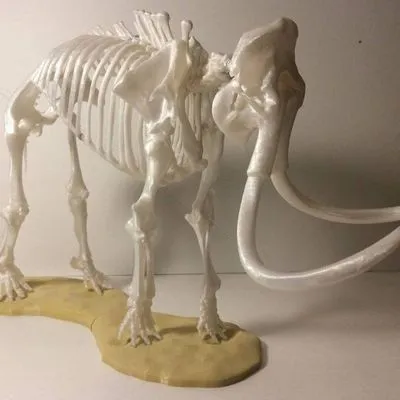
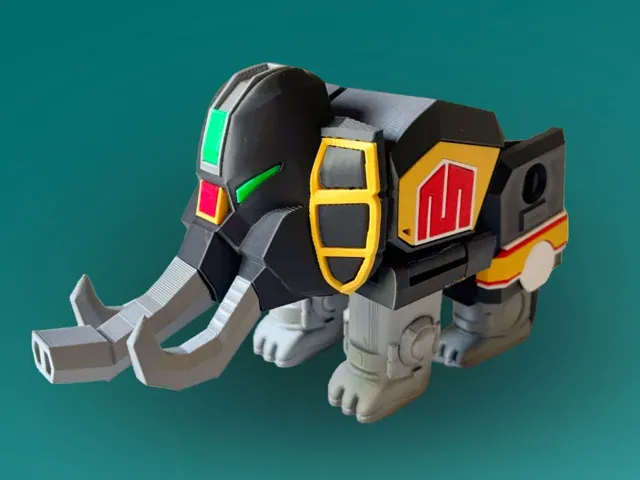
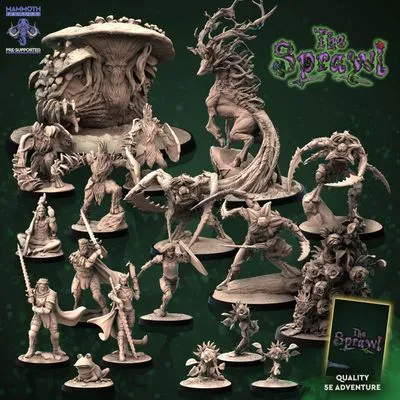
This collection gathers mammoth-themed 3D models for 3D printing, from fossil skeletons and articulated figures to fantasy miniatures and vehicle kits. The range is wide enough that you can pick a display piece, a tabletop unit or a small toy from the same topic. Each listing leads to the author's page, where scale, part count and print settings are described. Polyzon does not confirm whether models are free, their price, license, official status, affiliation, safety or fitness. Check the current terms at the source.
Il testo di questa raccolta è in inglese; la ricerca funziona in qualsiasi lingua.
 Una raccolta di Polyzon · 48 modelli da 6 siti
Polyzon compone questa raccolta a partire dai risultati di ricerca dei siti collegati. I doppioni e i modelli senza anteprima vengono rimossi, le corrispondenze deboli finiscono in fondo e il resto mantiene l’ordine dei risultati. I modelli appartengono ai rispettivi autori: verifica le condizioni sulla pagina di ciascun modello.
Criteri di selezione a cura della redazione di Polyzon · Testo aggiornato: 11/10/2026


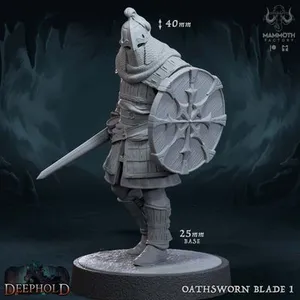


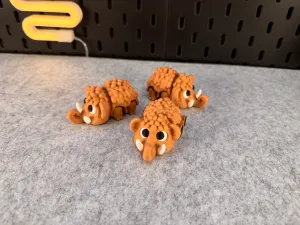

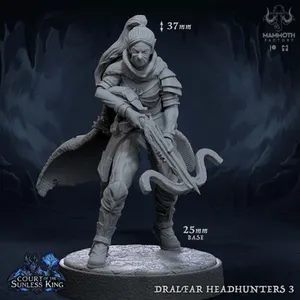


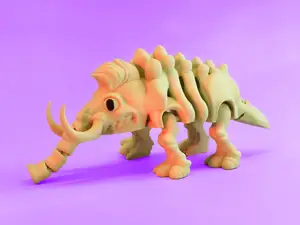


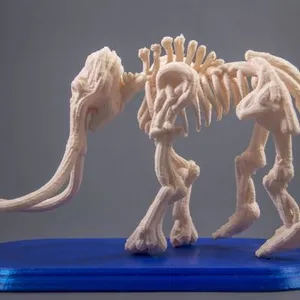


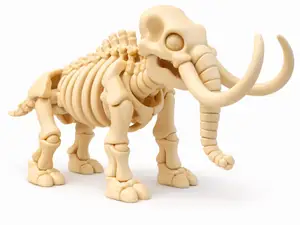


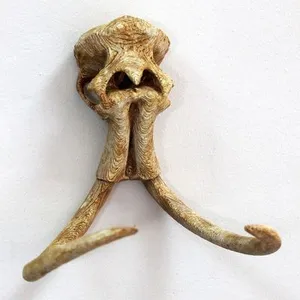

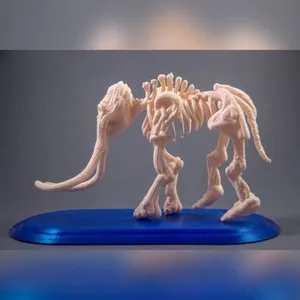


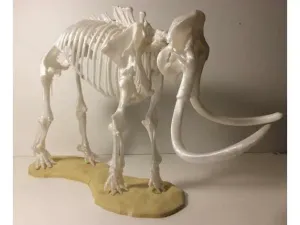

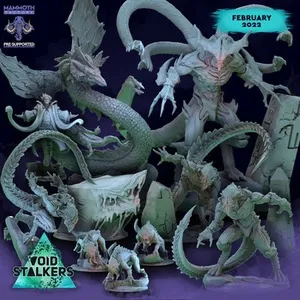
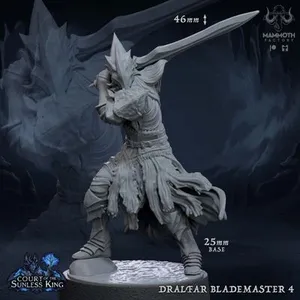
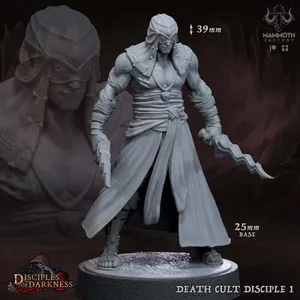

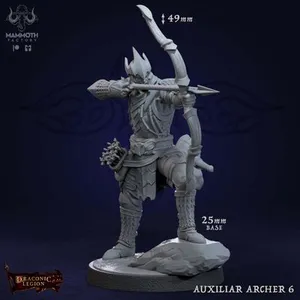
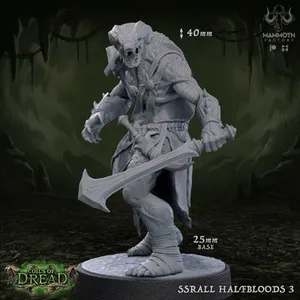
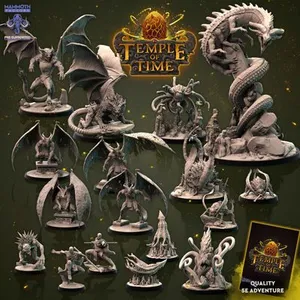
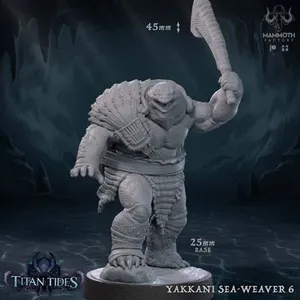
The most common groups differ in purpose. Skeletal and fossil-style models are usually built as a single display object or as a set of bones that you assemble, while articulated and flexible figures are printed as one piece with moving joints. Fantasy and wargame miniatures follow a different logic: they are scaled for tabletop play and often belong to a larger themed range. Tank and vehicle kits sit closer to scale modelling, with tracks, hull sections and small details that need careful orientation.
Before printing, read the author's page rather than the thumbnail. Check the stated size or scale, how many parts the model has and whether they are meant to be glued, and whether the geometry needs supports. Look at the material and layer height the author lists, and at photos of real prints if they are included, since thin ribs, tusks and joint gaps behave differently depending on the resin or filament you use.
If the results feel too narrow, try synonyms and related terms: woolly mammoth, prehistoric animal, ice age creature, fossil skeleton, articulated figure, or fantasy beast. Adding a use case helps as well, such as tabletop miniature, desk display or toy. Related topics like other extinct animals, skeletal anatomy models or fantasy armies often surface models that a single keyword misses.


Il catalogo completo dei temi, dalla casa alla lavorazione CNC, con ricerca su tutti i siti collegati.