Gratis 
Origami Carabiner by ddf3d.com
Thingiverse
This collection gathers 3D models built around mechanical engineering: gears and transmission parts, linkages and other motion demonstrations, engine and machine models, plus workshop aids and adapters. It is useful when you need a concrete part to study how a mechanism works or to assemble a moving object on a 3D printer. Many entries are STL files meant for prototyping, teaching or bench experiments. Polyzon does not confirm whether models are free, their price, license, official status, affiliation, safety or fitness. Check the current terms at the source.
Il testo di questa raccolta è in inglese; la ricerca funziona in qualsiasi lingua.
 Una raccolta di Polyzon · 48 modelli da 5 siti
Polyzon compone questa raccolta a partire dai risultati di ricerca dei siti collegati. I doppioni e i modelli senza anteprima vengono rimossi, le corrispondenze deboli finiscono in fondo e il resto mantiene l’ordine dei risultati. I modelli appartengono ai rispettivi autori: verifica le condizioni sulla pagina di ciascun modello.
Criteri di selezione a cura della redazione di Polyzon · Testo aggiornato: 13/10/2026


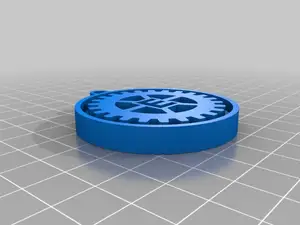
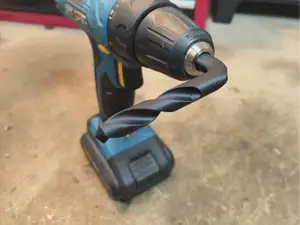
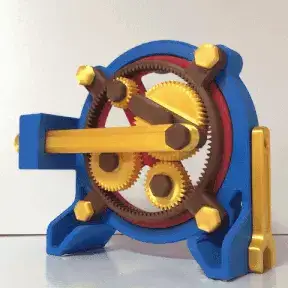




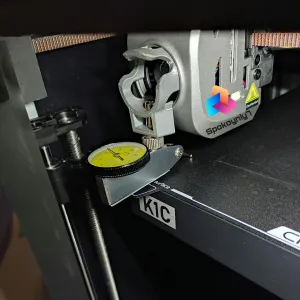


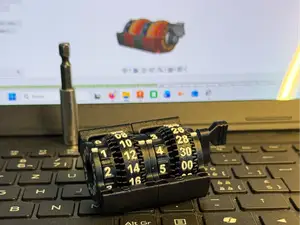
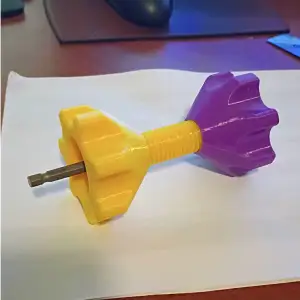



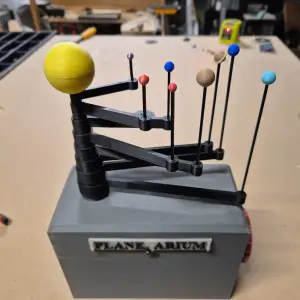


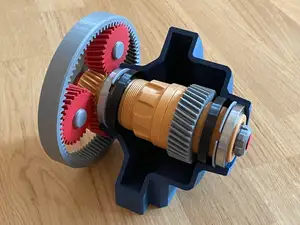
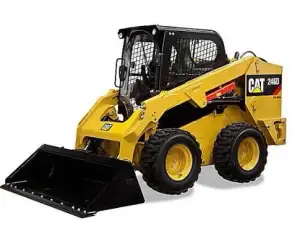


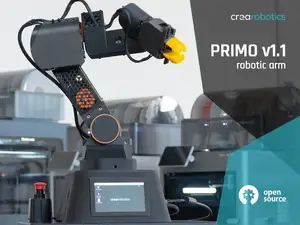
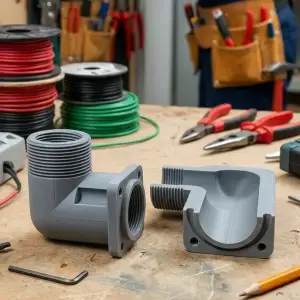


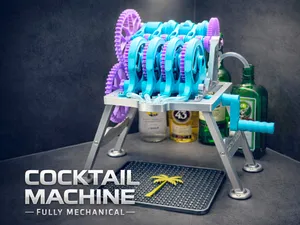



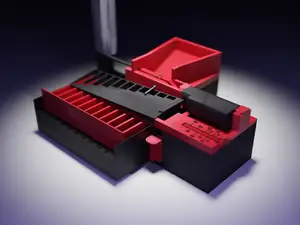
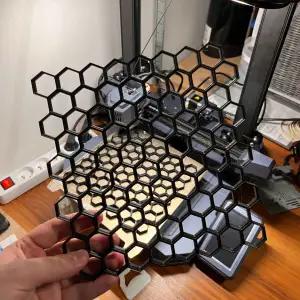


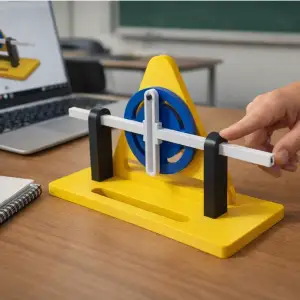



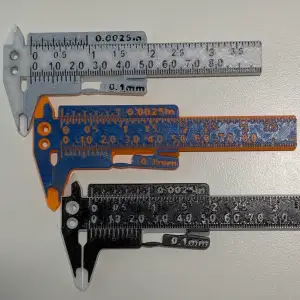

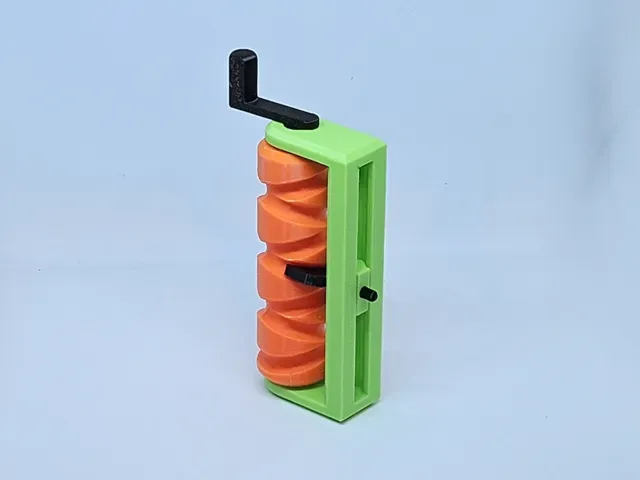
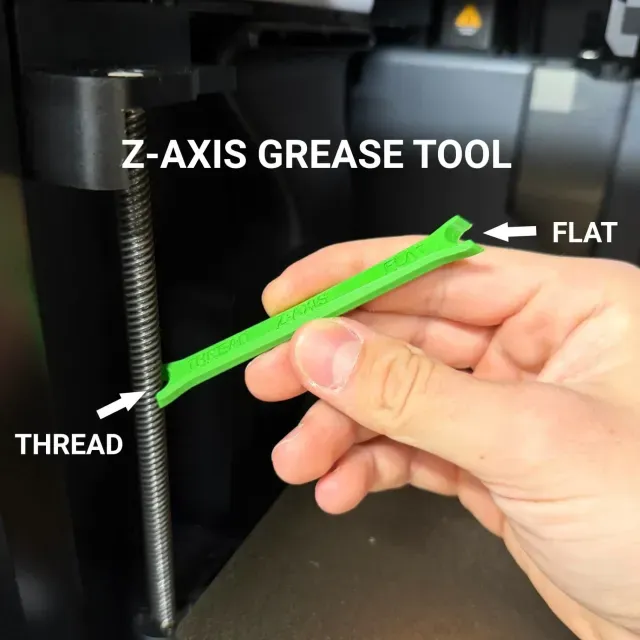
The range runs from single components to complete assemblies. Gears, pulleys and transmission parts are usually printed as separate pieces and then joined on a shaft or axle, while kinetic objects and motion demonstrations combine several links, cams or cranks in one build. Engine and machine models tend to be larger projects with many parts and a visible sequence of assembly, and workshop aids such as holders, jigs and adapters are smaller items shaped around an existing tool or machine.
Before printing, read the author's page for the details that decide the result: overall size and scale, module or tooth count for gears, the clearances and tolerances between moving parts, the number of separate pieces and how they fit together, and whether supports are needed. Check which material and settings the author lists, since thin links and small teeth behave differently in rigid and in more flexible filaments. Photos of real prints are the most useful reference for surface finish and for how tightly the parts actually move.
If the results feel too narrow, try related wording: gear, cog, gearbox, transmission, pulley, linkage, cam, crank, piston, ratchet, hinge, jig, fixture, adapter. Broader phrases such as mechanism, machine part, robotics or prototyping bring in different sets of files, and combining them with a material or a printer type narrows the list further. Related topics worth opening next include robotics, automation, workshop tooling and educational models that show how a movement is transferred.




Il catalogo completo dei temi, dalla casa alla lavorazione CNC, con ricerca su tutti i siti collegati.

