
Gratis 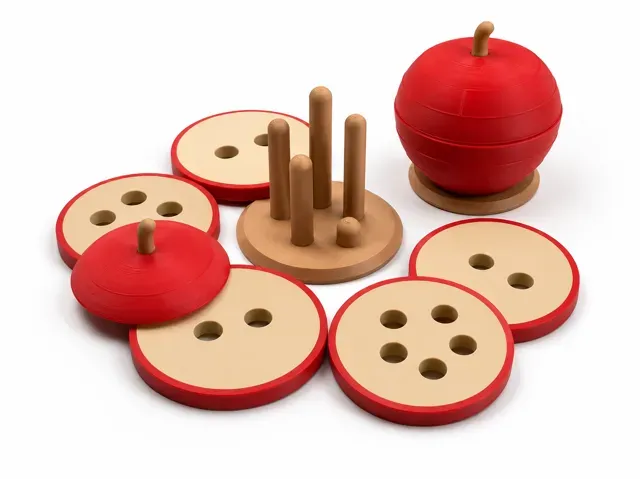
Montessori Apple Puzzle
MakerWorld
This collection gathers Montessori-style 3D models: puzzles, shape sorters, stacking and counting toys, sensory sets and stencils. Most of them are made for a 3D printer at home, so size and part count differ from one file to the next. Use the list as a starting point, then compare the details on each model page before printing. Polyzon does not confirm whether models are free, their price, license, official status, affiliation, safety or fitness. Check the current terms at the source.
Il testo di questa raccolta è in inglese; la ricerca funziona in qualsiasi lingua.
 Una raccolta di Polyzon · 47 modelli da 4 siti
Polyzon compone questa raccolta a partire dai risultati di ricerca dei siti collegati. I doppioni e i modelli senza anteprima vengono rimossi, le corrispondenze deboli finiscono in fondo e il resto mantiene l’ordine dei risultati. I modelli appartengono ai rispettivi autori: verifica le condizioni sulla pagina di ciascun modello.
Criteri di selezione a cura della redazione di Polyzon · Testo aggiornato: 10/10/2026
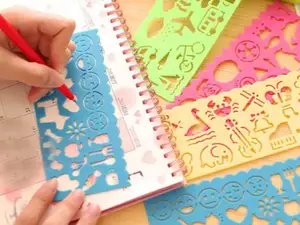

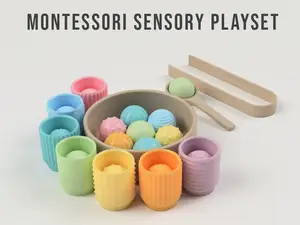
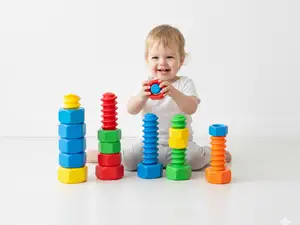
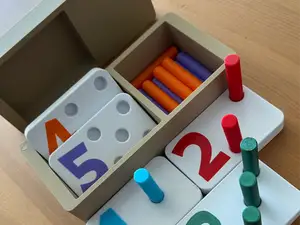
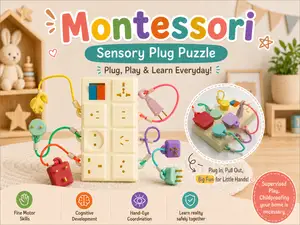

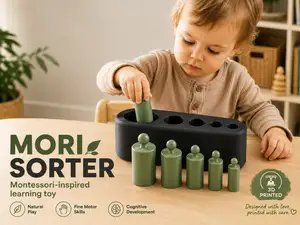
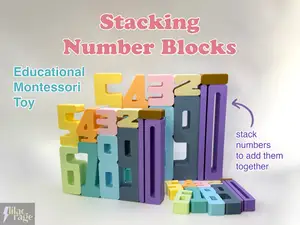
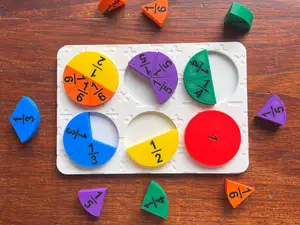


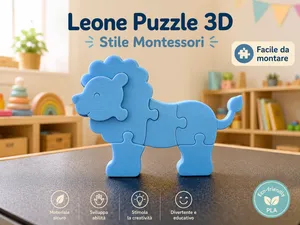
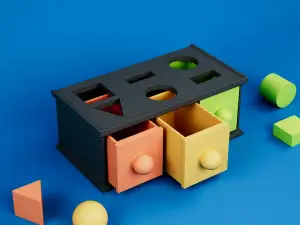
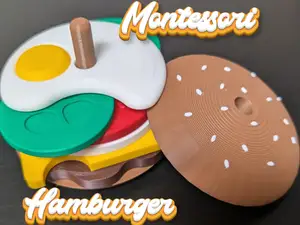
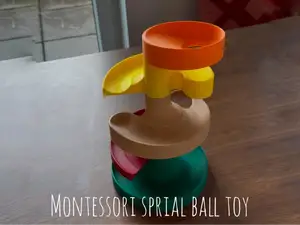

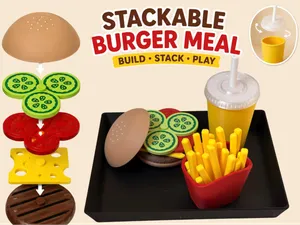
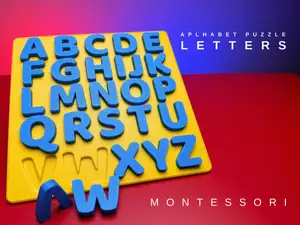
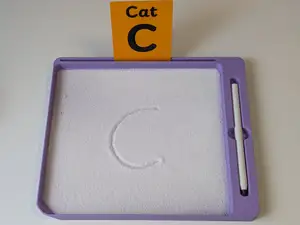
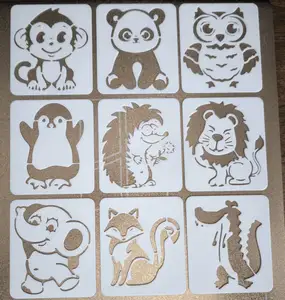


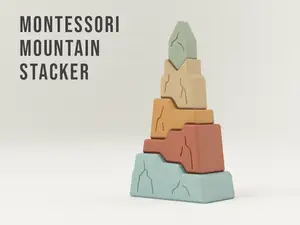
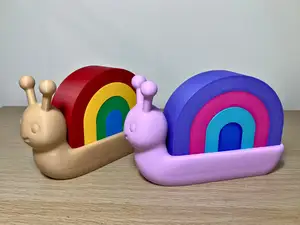
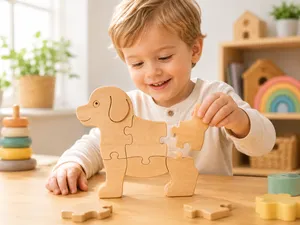

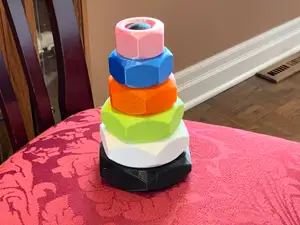
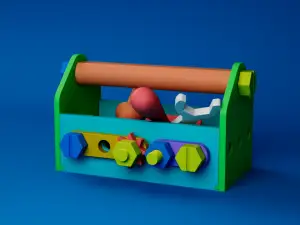
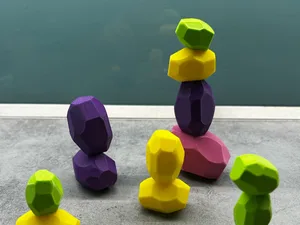

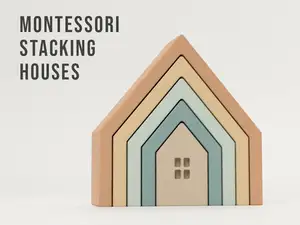


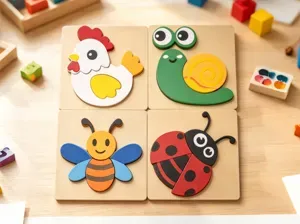
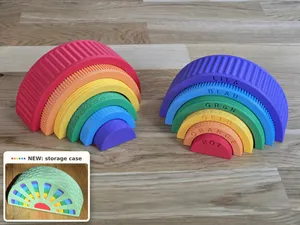

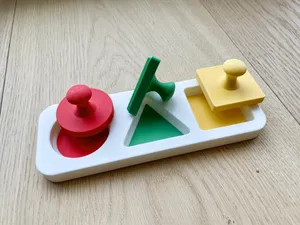
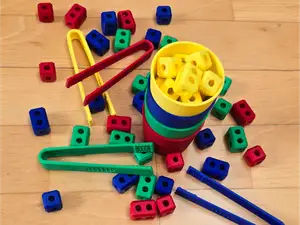
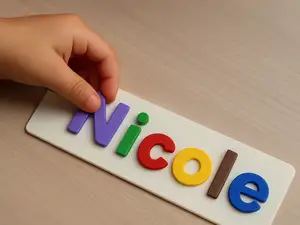
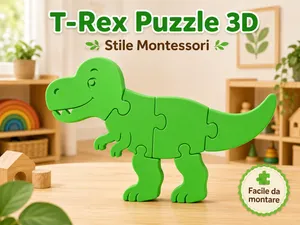
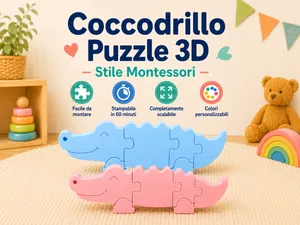
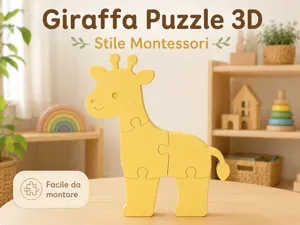
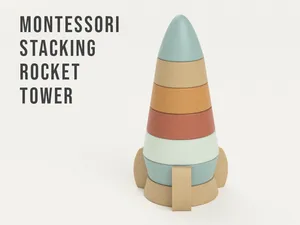
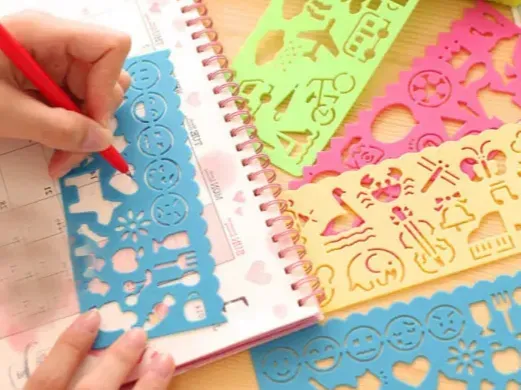
The range is wider than it first appears. Puzzles and shape-matching toys usually come as a tray plus a few chunky pieces, while stacking and sorting sets add rods, drawers or posts that hold the parts together. Counting aids often include number tiles or blocks, and sensory sets mix several textures or inserts in one object. Stencils and drawing templates are flat by comparison and behave more like a thin sheet than a toy.
When choosing a file, look at the scale first: a toddler-sized piece and a tabletop version of the same idea need very different amounts of filament and time. Check how many parts are in the download and whether they are meant to be glued or snapped together, and read the author's notes on layer height, walls and material, since small parts and thin inserts behave differently in PLA and in softer filaments. Photos of real prints show more about proportions and finish than a render does.
Search results improve when you try the words used for the same object in different ways: sorter, shape matching, insert, peg, knob, tray, counting, number, stacking, nesting. Related topics such as sensory play, early math, fine motor practice or quiet books lead to further files, and combining a term with a material or a size, for example a large-format version, narrows the list quickly.




Il catalogo completo dei temi, dalla casa alla lavorazione CNC, con ricerca su tutti i siti collegati.