Gratis 
Mosaic Lamp
Thingiverse
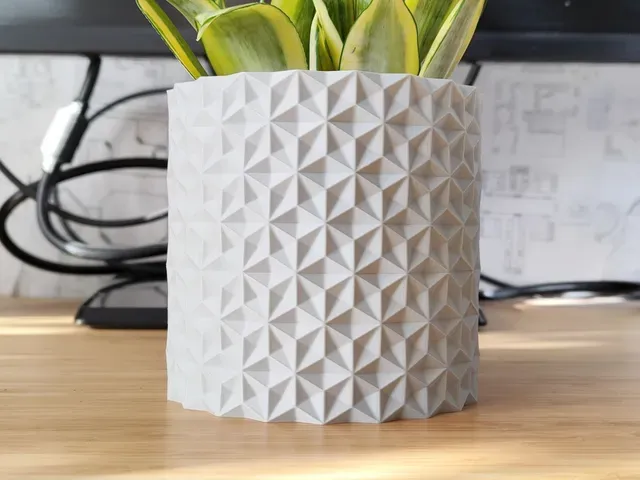
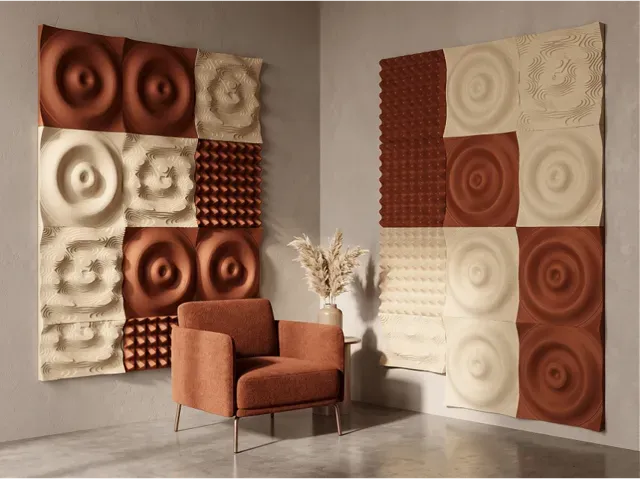
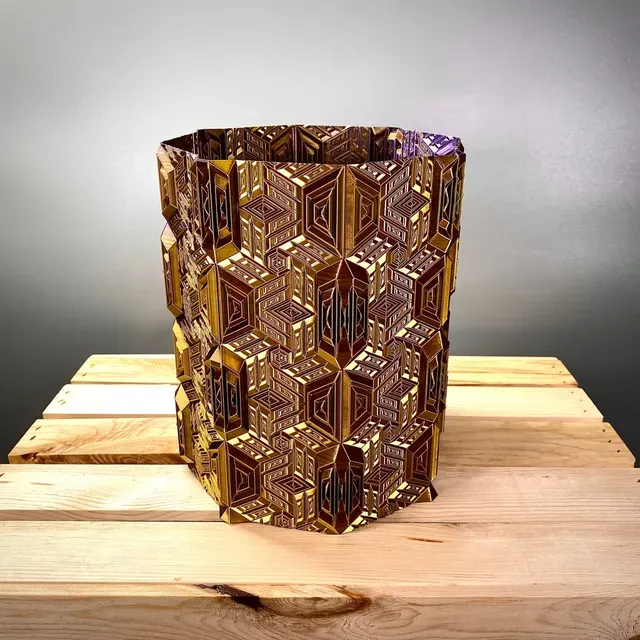
Mosaic 3D models cover patterned wall tiles, lamp shades, planters and small modular assemblies that you can print on a home 3D printer. The collection is useful when you want a repeating geometric pattern rather than a single sculpted object, and when you prefer parts that can be combined or reprinted separately. Most entries are STL files, so the pattern is fixed in the geometry and the look depends on how you slice and colour it. Polyzon does not confirm whether models are free, their price, license, official status, affiliation, safety or fitness. Check the current terms at the source.
Il testo di questa raccolta è in inglese; la ricerca funziona in qualsiasi lingua.
 Una raccolta di Polyzon · 47 modelli da 4 siti
Polyzon compone questa raccolta a partire dai risultati di ricerca dei siti collegati. I doppioni e i modelli senza anteprima vengono rimossi, le corrispondenze deboli finiscono in fondo e il resto mantiene l’ordine dei risultati. I modelli appartengono ai rispettivi autori: verifica le condizioni sulla pagina di ciascun modello.
Criteri di selezione a cura della redazione di Polyzon · Testo aggiornato: 15/10/2026
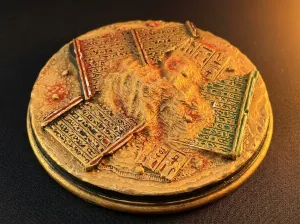

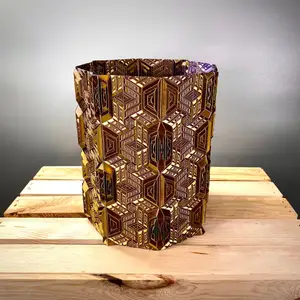
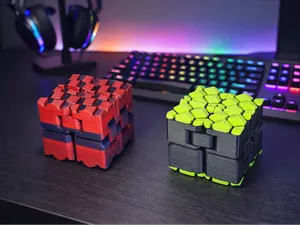
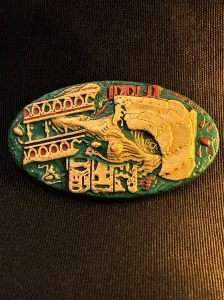


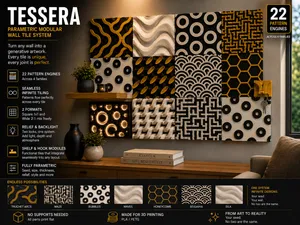
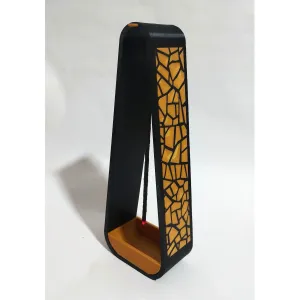


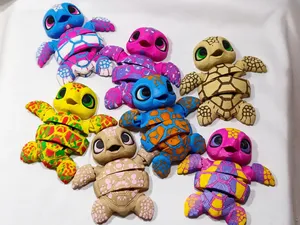
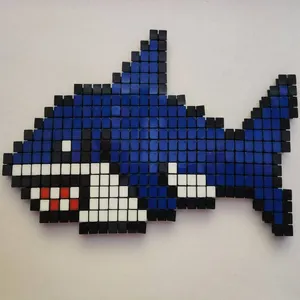

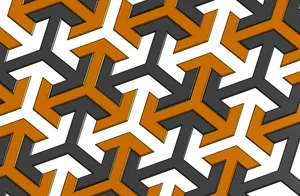
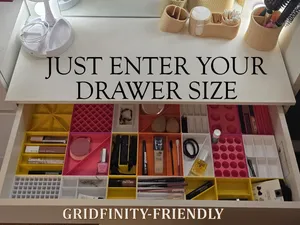
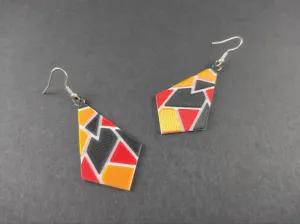

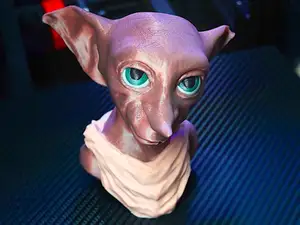
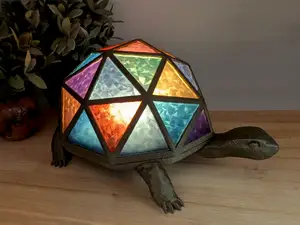
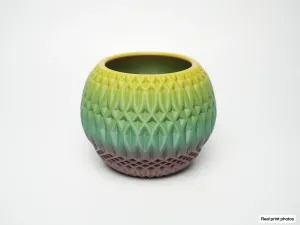

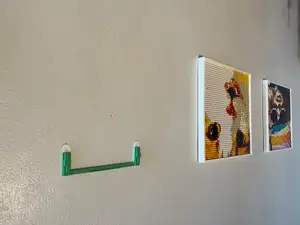
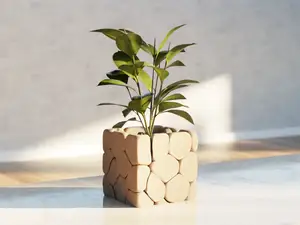
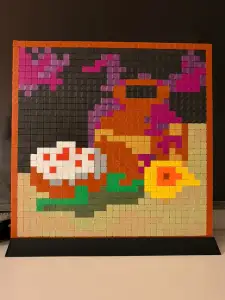

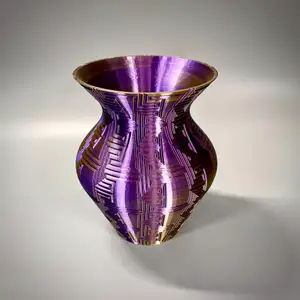
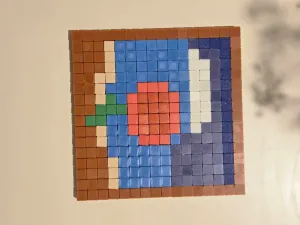


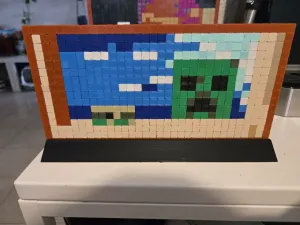

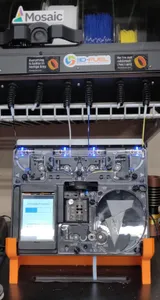
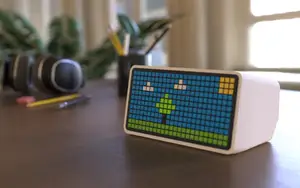
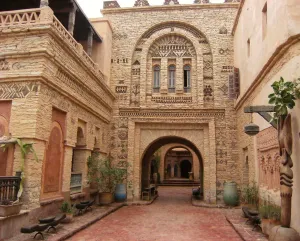

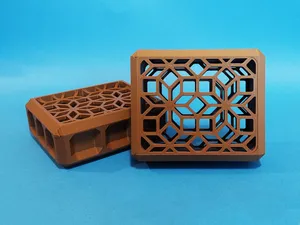
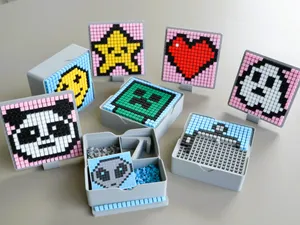
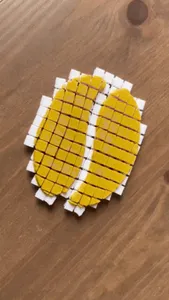

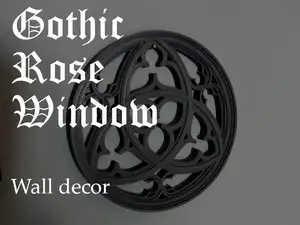
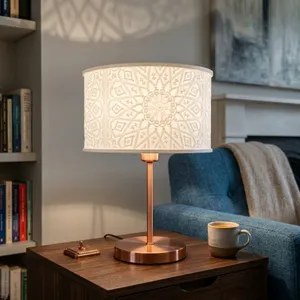
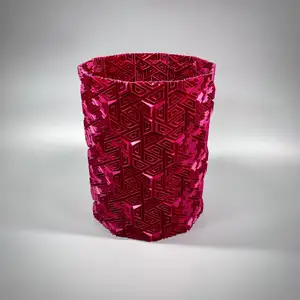
The patterns differ mainly in how the mosaic is built. Some models are flat tiles and panels meant to sit side by side on a wall, others wrap the same repeating motif around a curved surface such as a lamp shade, vase or planter. A third group is modular: small identical pieces that lock or stack together, sometimes printed in place as one object. Flat tiles are usually the simplest to print, while curved and interlocking versions need more attention to tolerances.
Before printing, open the author's page and read the listed dimensions, part count and assembly notes. Check whether the model is split into several files, whether the pieces are meant to be glued, and which material and layer height the author used. For patterned surfaces, layer height and nozzle width affect how crisp the pattern edges look, and a photo of a real print shows more than a render. If the model is parametric, the page usually explains which dimensions you can change.
To widen the search, try related terms such as tile, tessera, geometric panel, inlay, patterned planter or modular wall decor. Adding a use case helps: lamp, coaster, planter, earring, spool holder. If you want a specific style, combine the pattern word with a shape or period, and sort the results by file type or by the number of parts to find something that matches your printer's build volume.




Il catalogo completo dei temi, dalla casa alla lavorazione CNC, con ricerca su tutti i siti collegati.