
Prezzo libero 
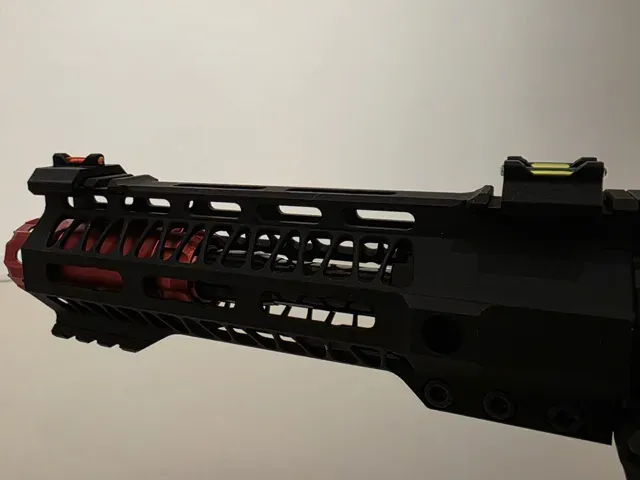
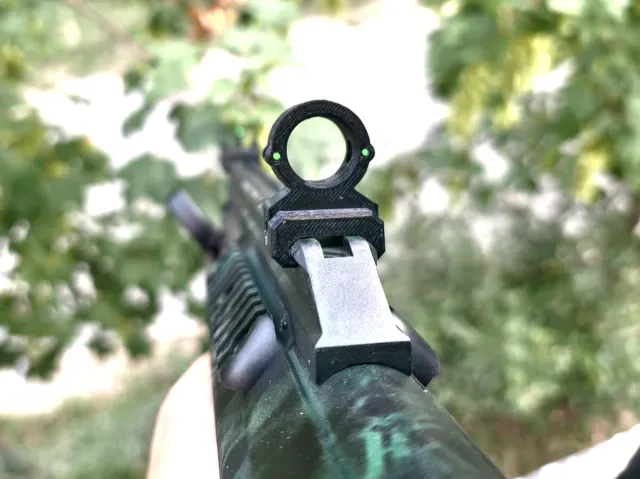
База AAP-01 RMR с нижним прицелом (оптоволокно готово)
Cults3D
This collection gathers 3D models built around fiber optic parts: sights for airsoft and firearms, small lamps, splice trays, enclosures and connector tools. Most of them are simple housings or holders, so they are approachable for anyone with a 3D printer. The STL files vary widely in scale, from tiny sight inserts to boxes that hold dozens of fibers. Polyzon does not confirm whether models are free, their price, license, official status, affiliation, safety or fitness. Check the current terms at the source.
Il testo di questa raccolta è in inglese; la ricerca funziona in qualsiasi lingua.
 Una raccolta di Polyzon · 48 modelli da 7 siti
Polyzon compone questa raccolta a partire dai risultati di ricerca dei siti collegati. I doppioni e i modelli senza anteprima vengono rimossi, le corrispondenze deboli finiscono in fondo e il resto mantiene l’ordine dei risultati. I modelli appartengono ai rispettivi autori: verifica le condizioni sulla pagina di ciascun modello.
Criteri di selezione a cura della redazione di Polyzon · Testo aggiornato: 12/10/2026

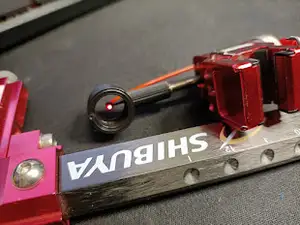


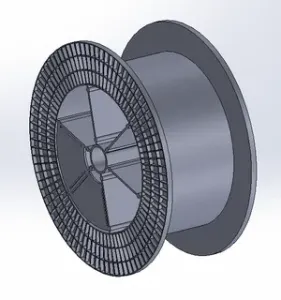
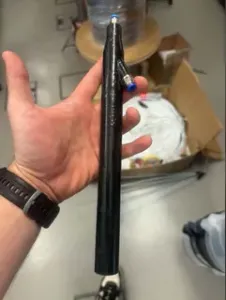
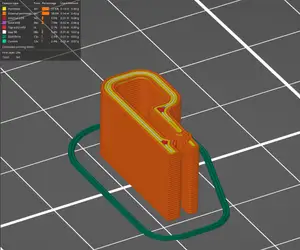


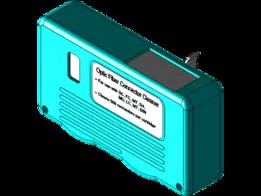
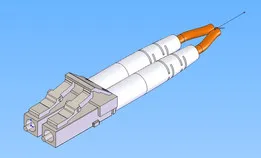
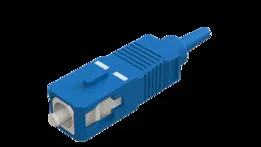
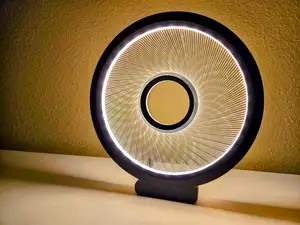


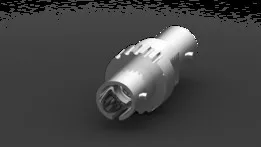


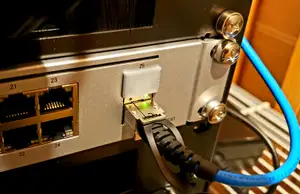


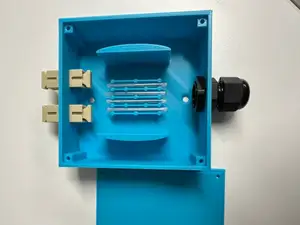
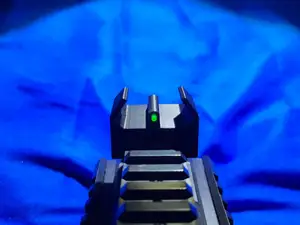

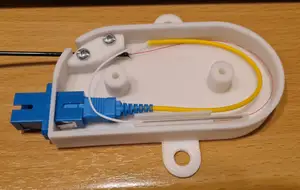


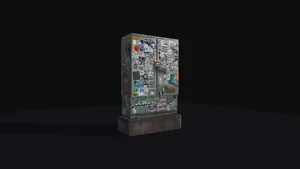




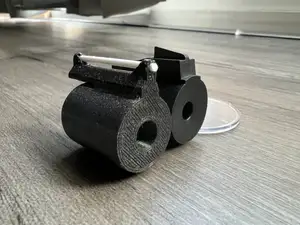

The models fall into a few groups that behave differently in use. Sights and bow accessories hold a short piece of light pipe in a printed body, so the opening for the fiber and the mounting interface matter more than the outer shape. Lamps and decorative objects use bundles or single strands to spread light, which makes wall thickness and internal channels the key features. Cable hardware such as splice trays, enclosures and adapters is closer to functional workshop equipment, where dimensions follow the connectors and fibers it has to hold.
Before printing, read the author's page for the details that decide whether the part works: overall size and scale, the diameter of the fiber or connector it accepts, the number of separate pieces and how they join, and whether the author used supports. Check the material and settings listed there, since thin light-pipe walls and snap fits behave differently in rigid and flexible filaments. Photos of real prints are the most useful reference for how the finished part looks and where the weak points are.
Search results for this topic mix several vocabularies, so try alternatives when a first query is thin. Terms such as light pipe, optical fiber, red dot, picatinny rail, splice tray, patch panel or lamp shade lead to different sets of models. Related topics worth opening are airsoft accessories, archery sights, network hardware, workshop fixtures and decorative lighting, since models are often filed under the use rather than the material.




Il catalogo completo dei temi, dalla casa alla lavorazione CNC, con ricerca su tutti i siti collegati.