Gratis 
Retraction test
Thingiverse
This collection gathers STL files built around two meanings of the same word: retraction tuning for 3D printing and parts that divert dust, air or liquid. It is useful when you are chasing stringing on a 3D printer or need an adapter that routes waste away from a tool. Polyzon does not confirm whether models are free, their price, license, official status, affiliation, safety or fitness. Check the current terms at the source.
Il testo di questa raccolta è in inglese; la ricerca funziona in qualsiasi lingua.
 Una raccolta di Polyzon · 48 modelli da 5 siti
Polyzon compone questa raccolta a partire dai risultati di ricerca dei siti collegati. I doppioni e i modelli senza anteprima vengono rimossi, le corrispondenze deboli finiscono in fondo e il resto mantiene l’ordine dei risultati. I modelli appartengono ai rispettivi autori: verifica le condizioni sulla pagina di ciascun modello.
Criteri di selezione a cura della redazione di Polyzon · Testo aggiornato: 14/10/2026
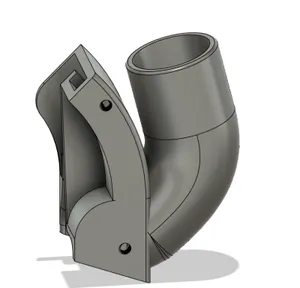
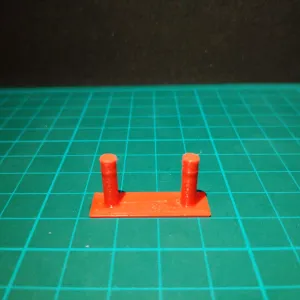

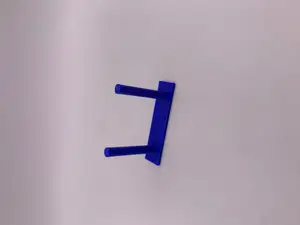
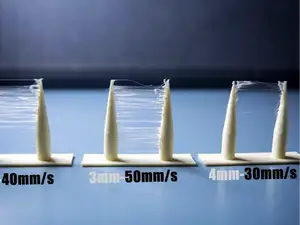
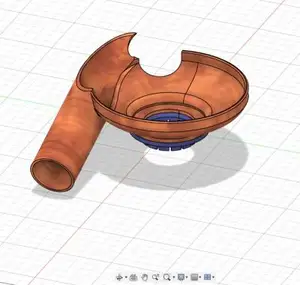
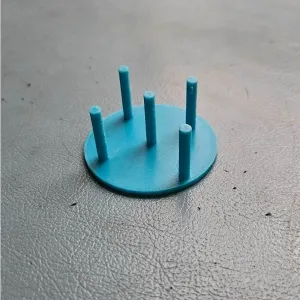

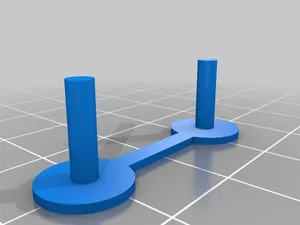
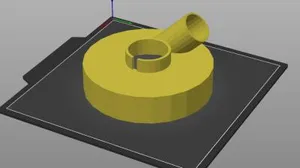
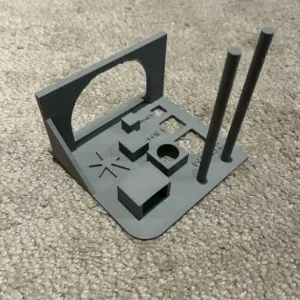

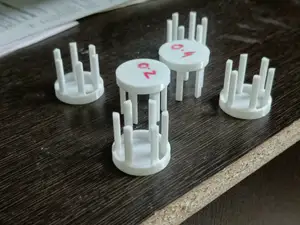
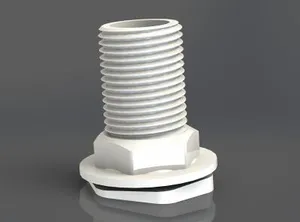
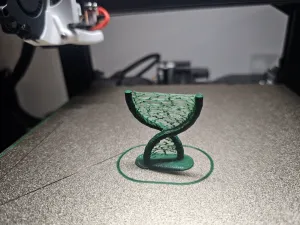

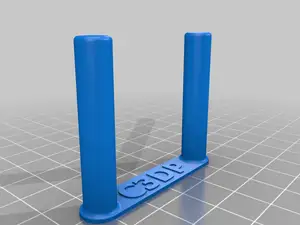
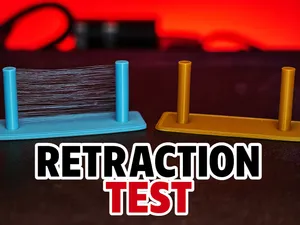
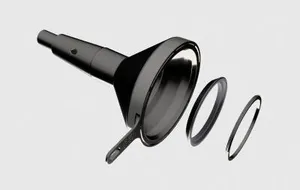
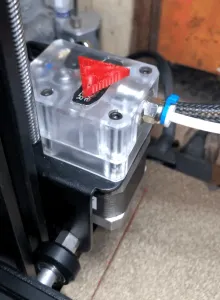

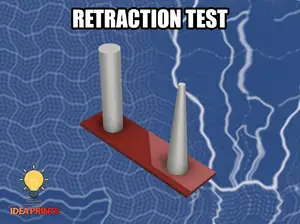
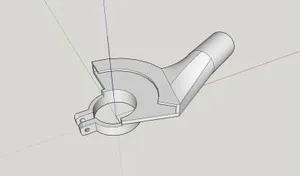
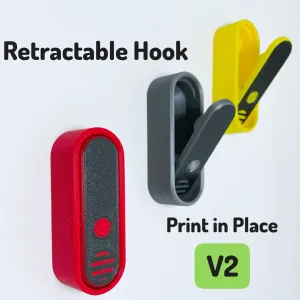

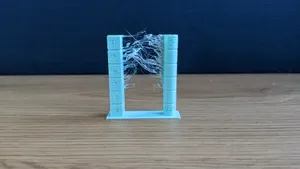
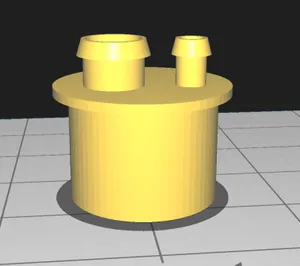
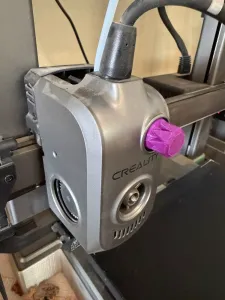

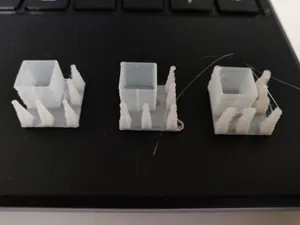
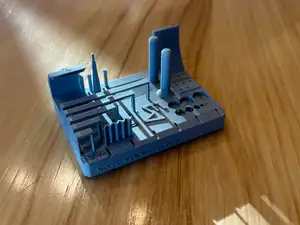
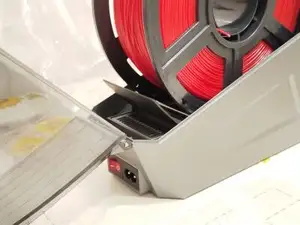
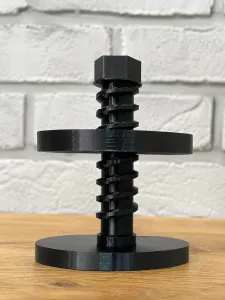


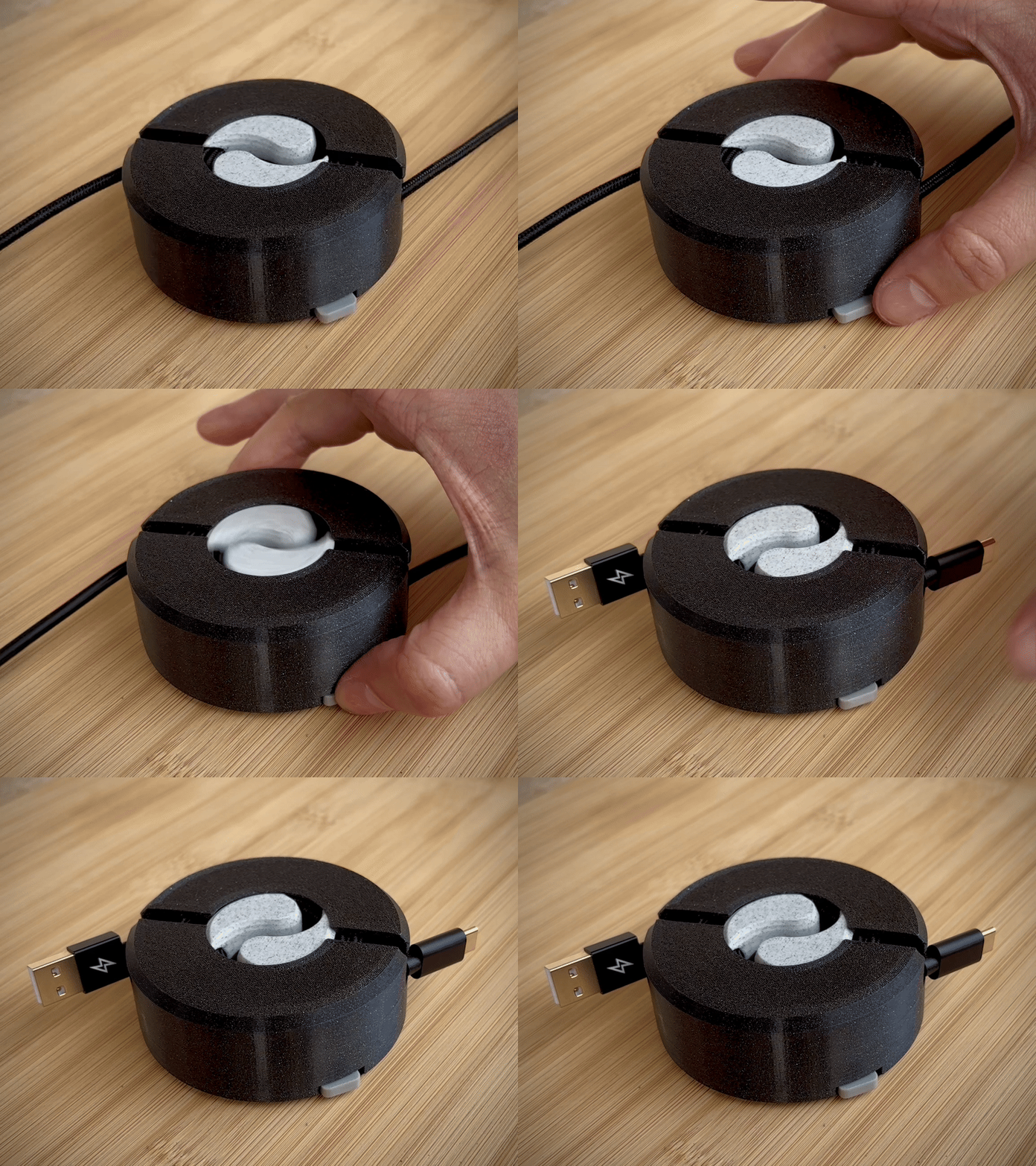
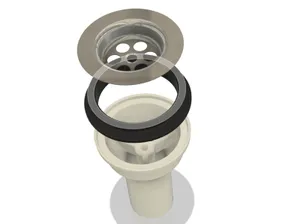

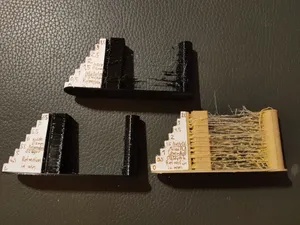

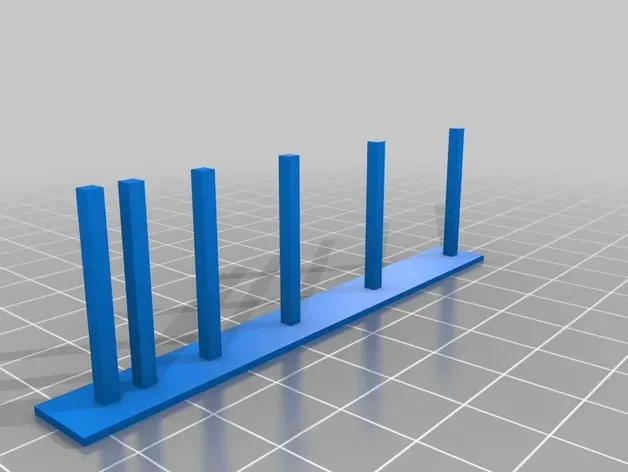
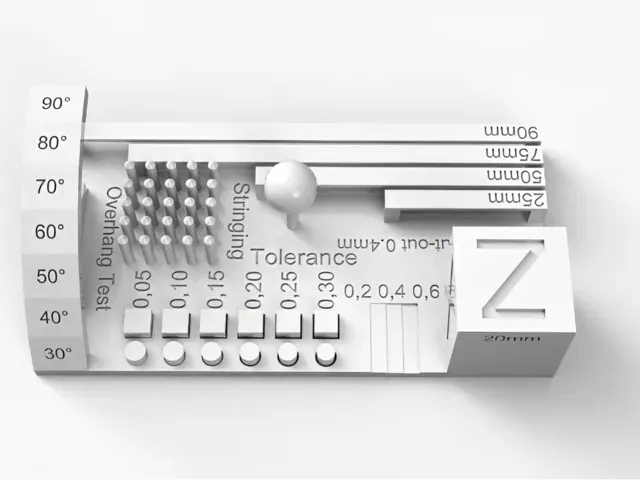
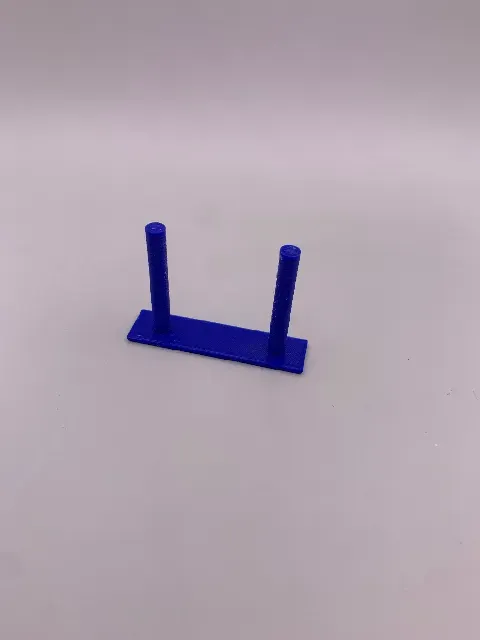
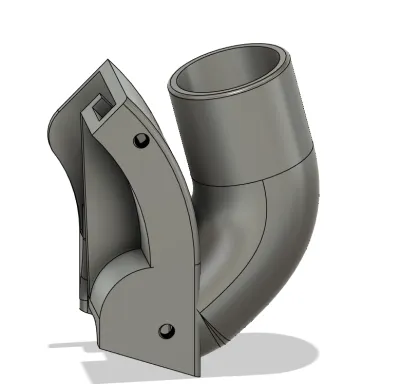
The retraction side is dominated by test towers and calibration blocks. Towers usually isolate retraction distance and speed, sometimes paired with overhang or temperature steps, while broader test blocks combine several checks in one print. Dust extraction models are a separate group: shrouds and nozzles that fit an angle grinder and channel debris toward a hose. A third group covers diversion in the plumbing sense — funnels with internal channels, pipe reducers and connectors sized by thread or diameter.
When choosing, read the author's page rather than the preview image. Check the stated dimensions and scale, how many parts the model has and whether they assemble with fasteners or slots, and whether supports are needed for the overhangs. For test prints, note the material and slicer settings the author lists, since a tower sliced with different retraction values tells you little. For shrouds and adapters, compare the mounting diameter and hose or pipe size against your own tool before printing.
Search results mix languages, so try synonyms: retraction test, stringing test, ooze test, calibration tower, temperature tower. For extraction parts, terms like dust shoe, dust port, grinder shroud, vacuum adapter or hose reducer return different sets. For plumbing-style diversion, search by thread standard, diameter or the word elbow, wye or funnel. Adding your printer model or tool size narrows the list further.




Il catalogo completo dei temi, dalla casa alla lavorazione CNC, con ricerca su tutti i siti collegati.