
Gratis 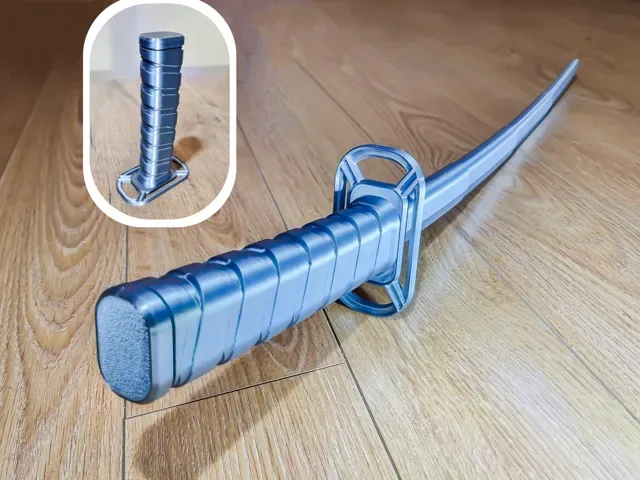
Stainless Katana Sword (Print in Place)
MakerWorld
This collection gathers STL files built around print-in-place designs, where moving parts are created in a single 3D printing job. It includes fidget toys, collapsing props, flexible figures and practical items. Use it to compare how different makers approach clearances, joints and assembly. Polyzon does not confirm whether models are free, their price, license, official status, affiliation, safety or fitness. Check the current terms at the source.
Il testo di questa raccolta è in inglese; la ricerca funziona in qualsiasi lingua.
 Una raccolta di Polyzon · 48 modelli da 6 siti
Polyzon compone questa raccolta a partire dai risultati di ricerca dei siti collegati. I doppioni e i modelli senza anteprima vengono rimossi, le corrispondenze deboli finiscono in fondo e il resto mantiene l’ordine dei risultati. I modelli appartengono ai rispettivi autori: verifica le condizioni sulla pagina di ciascun modello.
Criteri di selezione a cura della redazione di Polyzon · Testo aggiornato: 14/10/2026

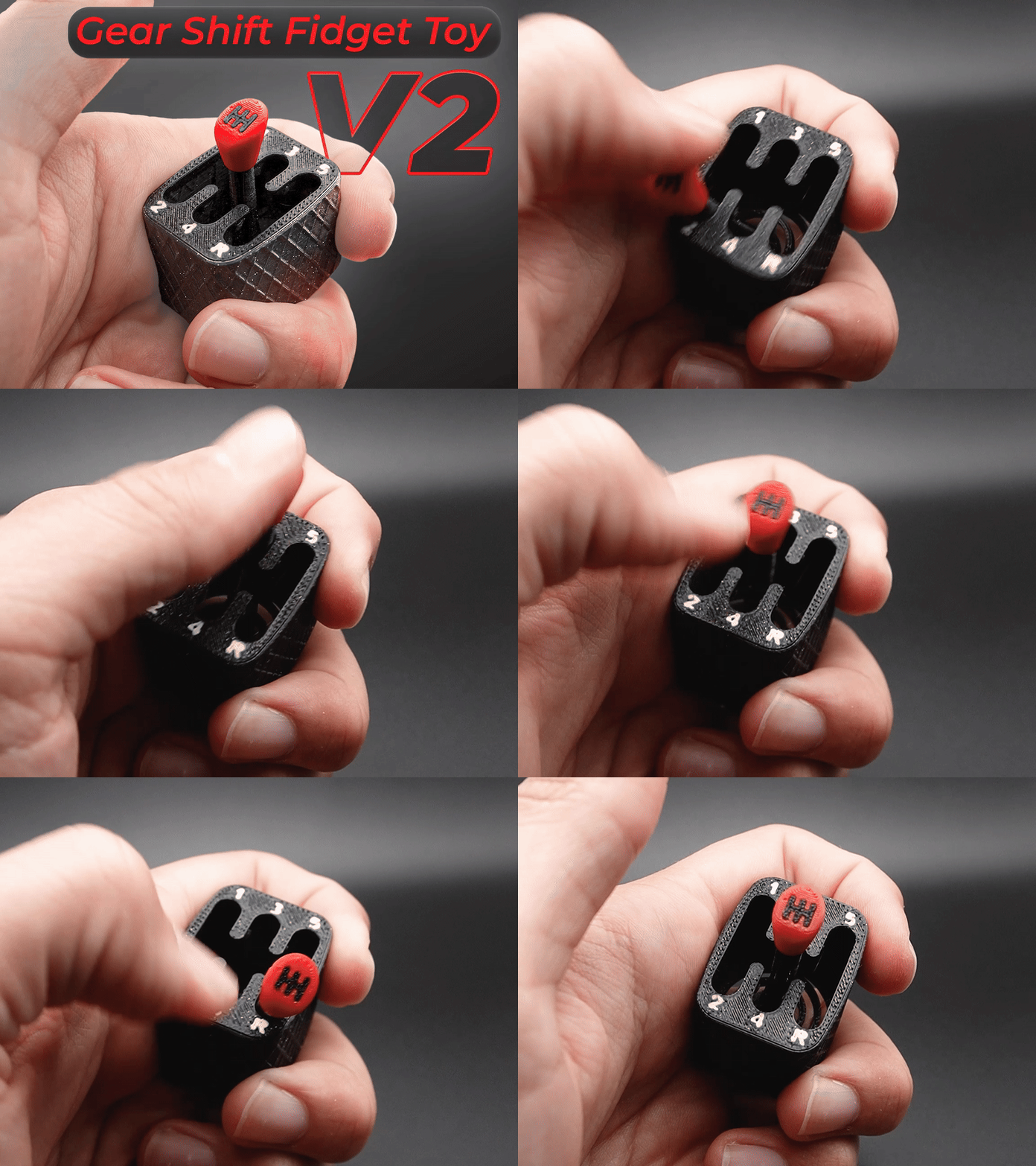

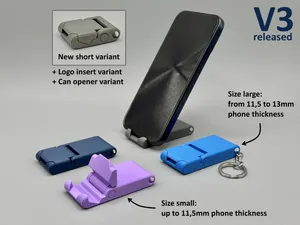
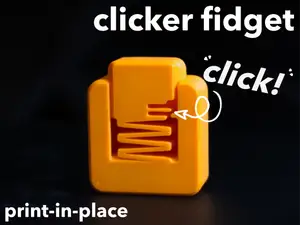


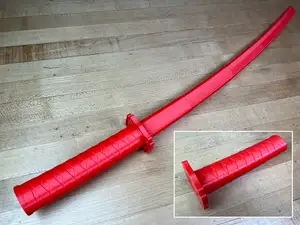
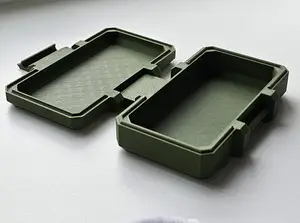
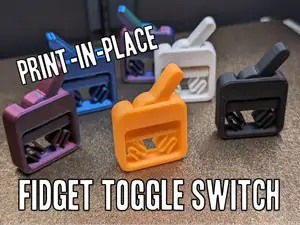

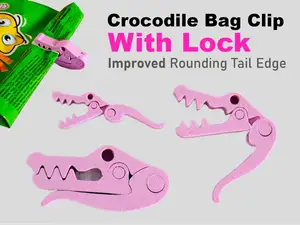

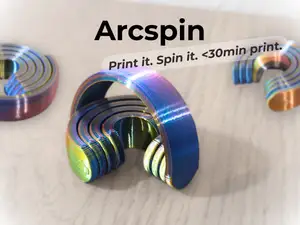
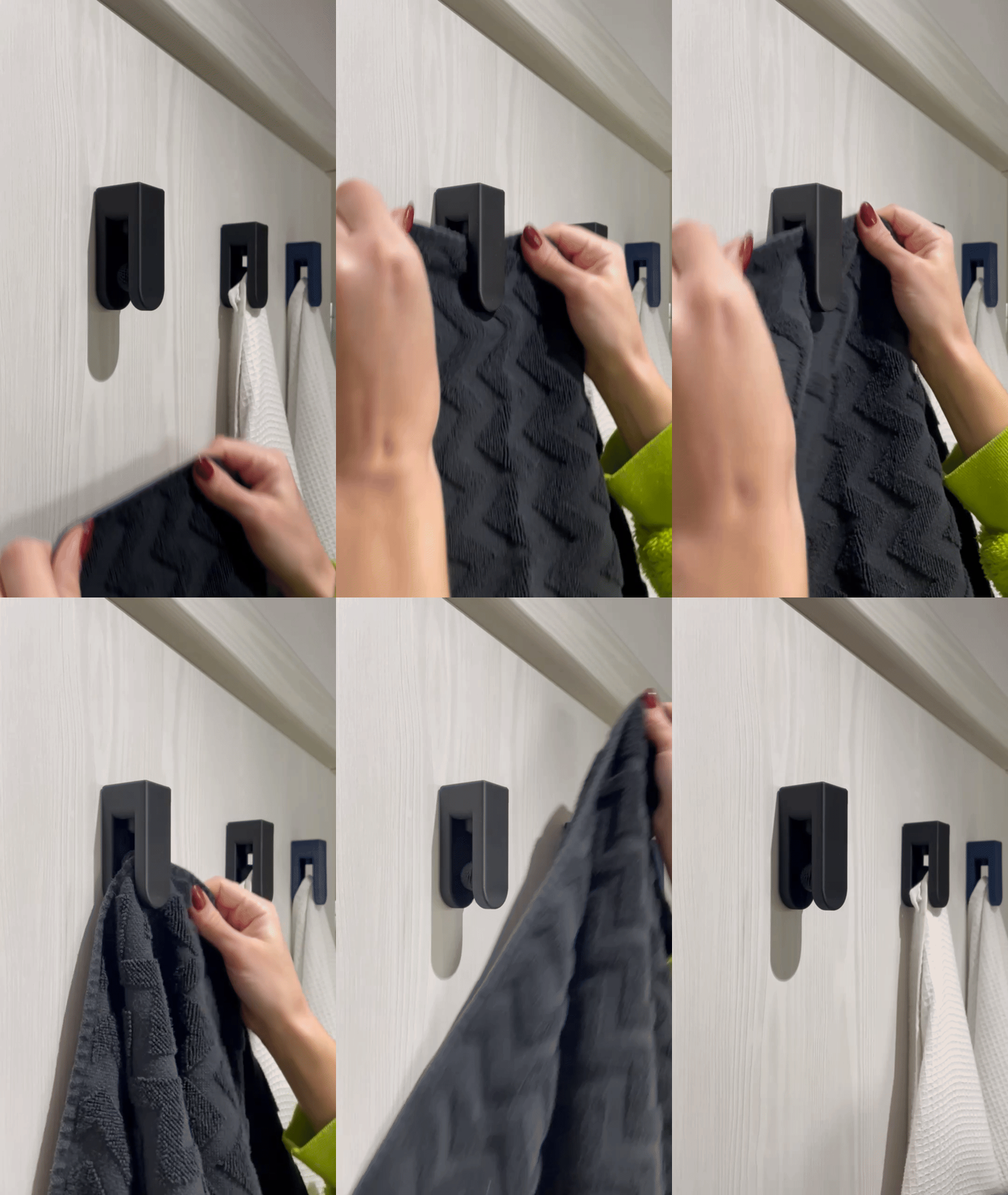





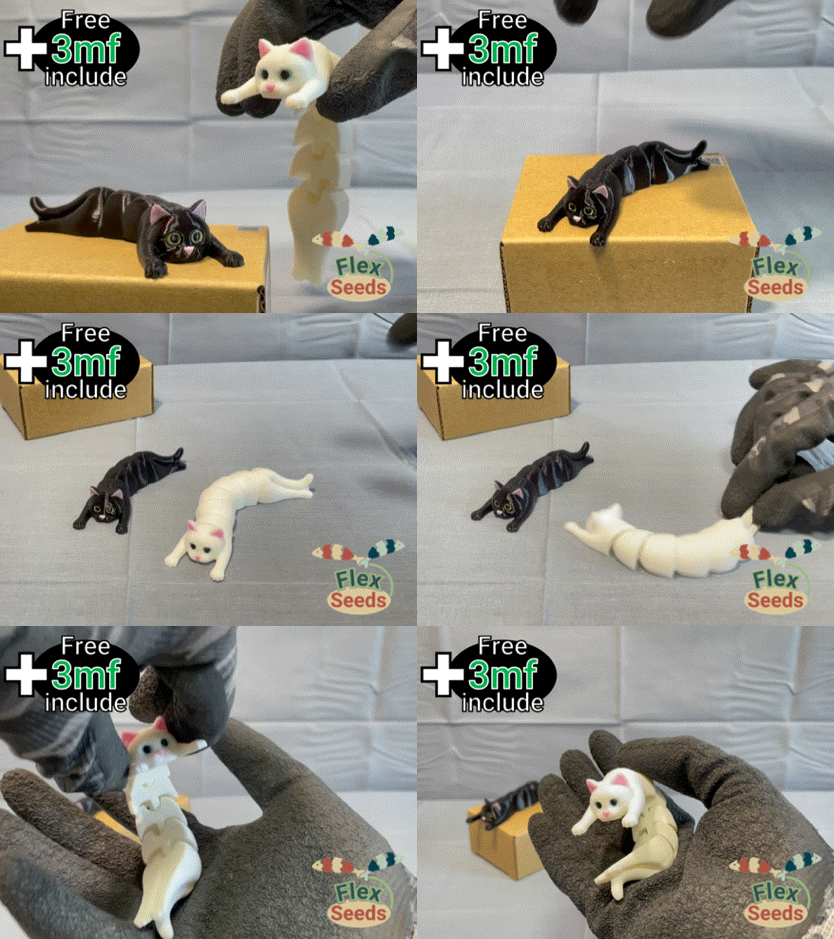
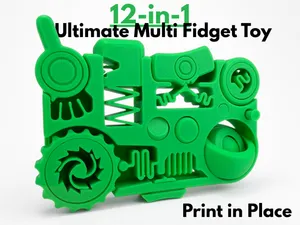


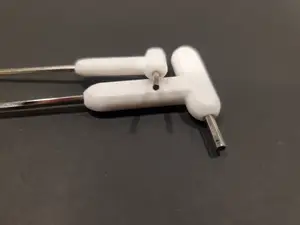
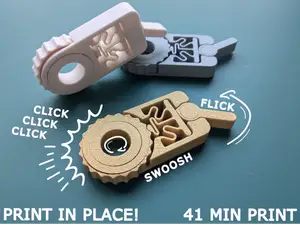
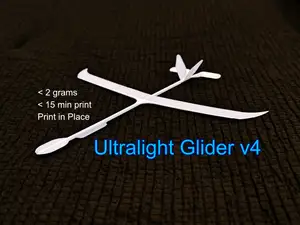

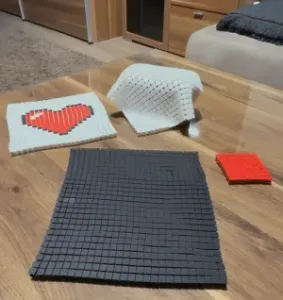
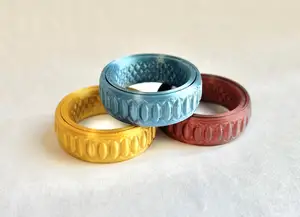
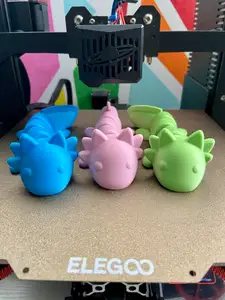
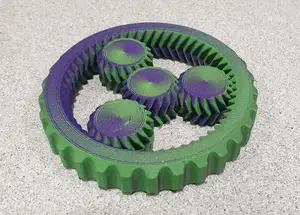


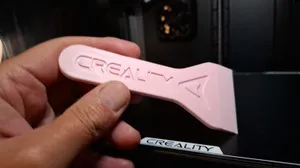
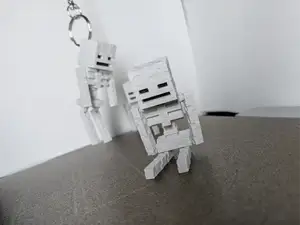

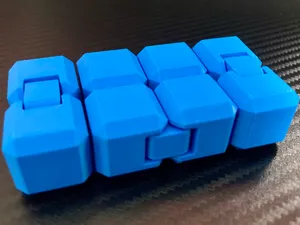

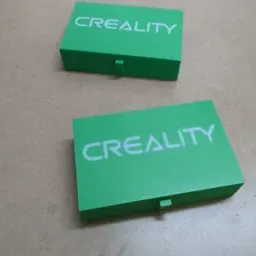
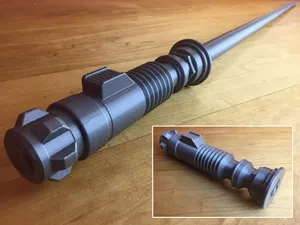
Print-in-place models cover several families: clickers and fidget spinners, collapsing sword-like props, articulated creatures and robots, and practical objects such as stands, boxes and clips. Some rely on a single hinge or toggle, while others use many linked segments that move after printing. The differences show up in part count, joint style and how much clearance the design leaves between surfaces.
When choosing a model, read the author’s page for scale, number of parts, and whether supports are needed. Check the material and settings listed, because clearances that work in one filament may bind in another. Photos of real prints help you judge how the joints and thin sections come out. If the model has moving parts, look for notes on orientation and first-layer clearance.
To narrow the search, try synonyms such as print in place, one-piece print, articulated, flexi, collapsing, clicker, and fidget. Related topics include kinetic toys, desk gadgets, cosplay props, and miniature robots. You can also search by mechanism, for example hinge, gear, toggle, or chain, and by object type, such as stand, clip, or puzzle.




Il catalogo completo dei temi, dalla casa alla lavorazione CNC, con ricerca su tutti i siti collegati.