Gratis 
Permanent Magnet Generator
Thingiverse
This collection gathers 3D models built around permanent magnets: small generators and alternators, floating toys, fridge magnets, and holders that grip tools or lights. Most of them are printed as housings or frames that hold a magnet in place, so the printed part and the hardware have to match. It is useful if you already print functional parts and want to see how other makers design around a magnet. Polyzon does not confirm whether models are free, their price, license, official status, affiliation, safety or fitness. Check the current terms at the source.
Il testo di questa raccolta è in inglese; la ricerca funziona in qualsiasi lingua.
 Una raccolta di Polyzon · 48 modelli da 4 siti
Polyzon compone questa raccolta a partire dai risultati di ricerca dei siti collegati. I doppioni e i modelli senza anteprima vengono rimossi, le corrispondenze deboli finiscono in fondo e il resto mantiene l’ordine dei risultati. I modelli appartengono ai rispettivi autori: verifica le condizioni sulla pagina di ciascun modello.
Criteri di selezione a cura della redazione di Polyzon · Testo aggiornato: 15/10/2026

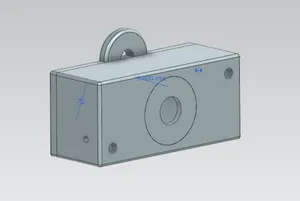
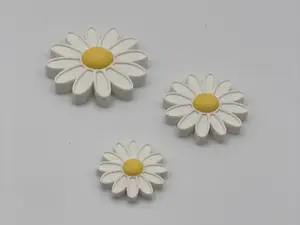
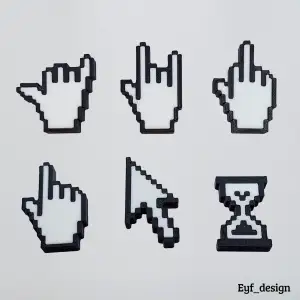

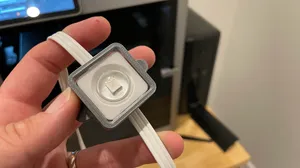
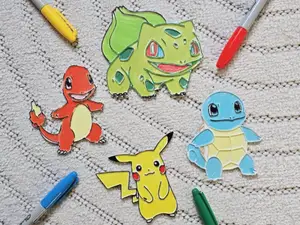
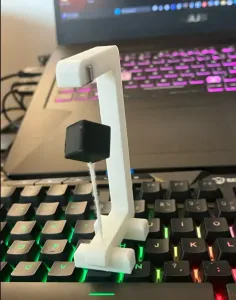


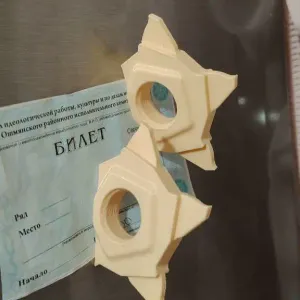

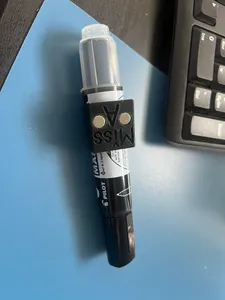
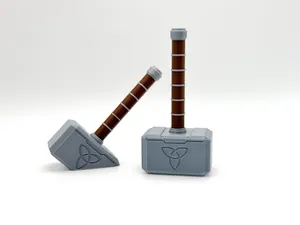
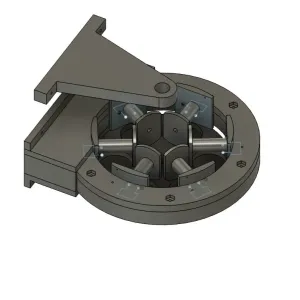

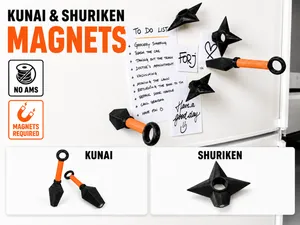
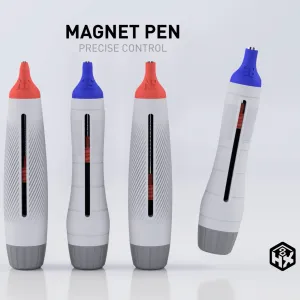


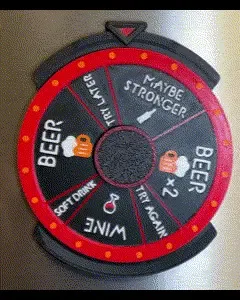

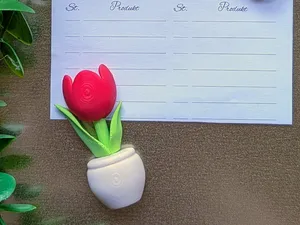
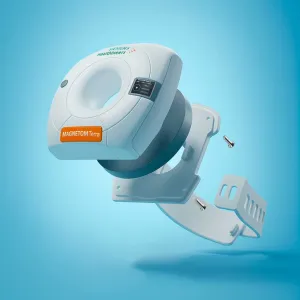

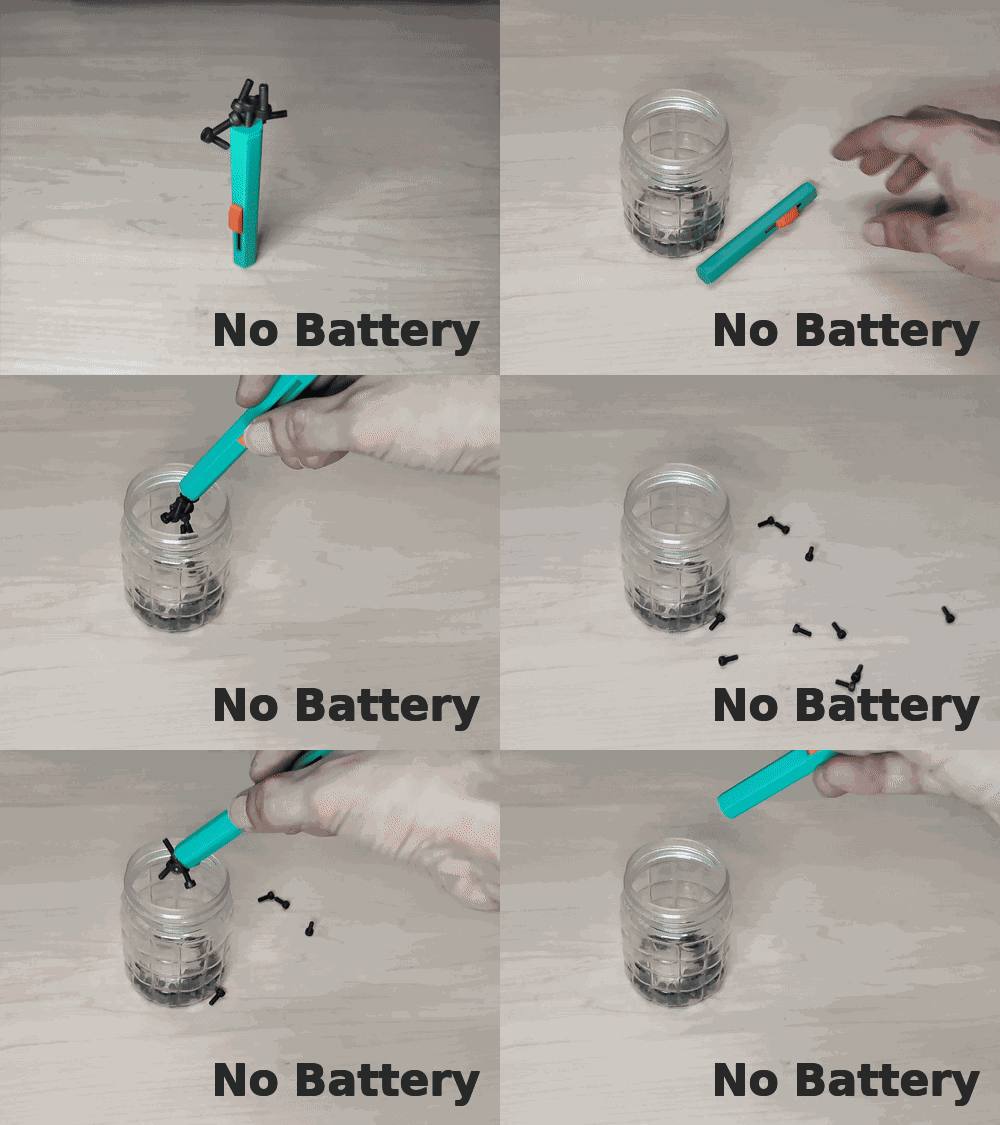
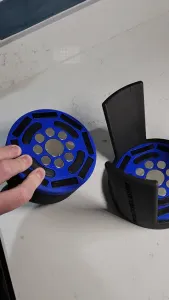

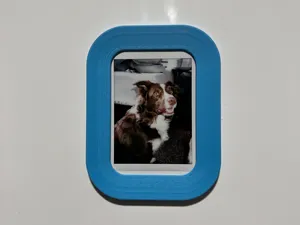
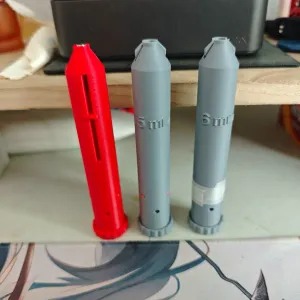


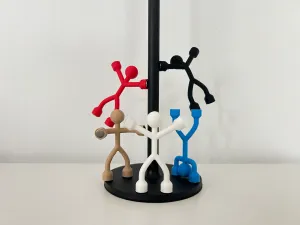


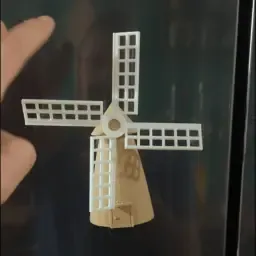

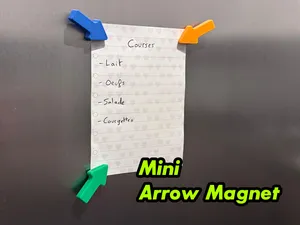
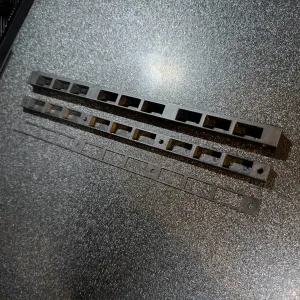




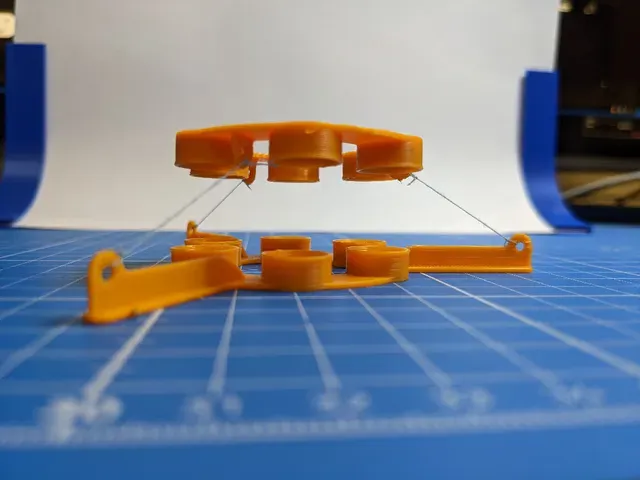
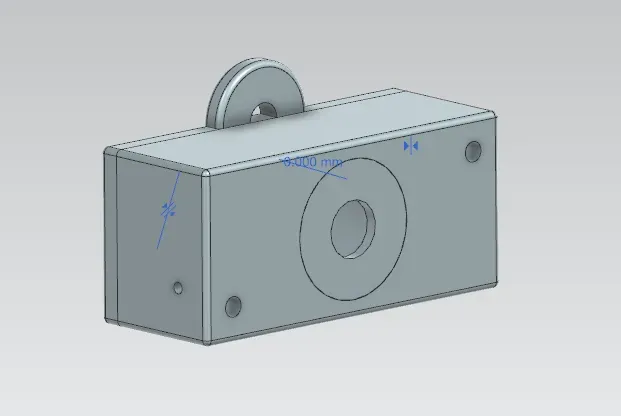
The models differ mainly in what the magnet does. In generators and alternators it moves past coils, so the design is about a rotor, a stator and a shaft that turns without wobbling. Floating toys use opposing magnets to hold a part in the air, which makes the geometry and the spacing between magnets the whole point. Fridge magnets, cursor-shaped magnets and similar pieces are simpler: a printed shell with a recess for one or two magnets.
When you open an author's page, look at the size and scale first, then at the number of parts and how they assemble. Check whether the model was designed around a specific magnet shape and thickness, since a recess that is too deep or too shallow changes how the part behaves. Read the material and settings the author lists, and look at photos of real prints to judge wall thickness and tolerances. If the model has moving parts, see whether supports are needed and where they would sit.
To find more, try related wording: magnetic, neodymium, levitation, rotor, stator, coil, fridge magnet, magnetic mount. Searching for the object rather than the magnet often helps, for example generator conversion, whiteboard holder or shower curtain clip. You can also browse neighbouring topics such as electronics, toys and household accessories, where magnets appear as a small part of a larger design.




Il catalogo completo dei temi, dalla casa alla lavorazione CNC, con ricerca su tutti i siti collegati.