
Gratis 
Piston KEY RING
Thingiverse
The term pigtron pulls together several unrelated strands of 3D printing: mechanical piston and engine models, bird figures, and small poseable robots. Because the word itself is ambiguous, the results also include items matched only by similar spelling. This page shows what kinds of STL files tend to appear and what to examine before you start a print. Polyzon does not confirm whether models are free, their price, license, official status, affiliation, safety or fitness. Check the current terms at the source.
Il testo di questa raccolta è in inglese; la ricerca funziona in qualsiasi lingua.
 Una raccolta di Polyzon · 41 modelli da 4 siti
Polyzon compone questa raccolta a partire dai risultati di ricerca dei siti collegati. I doppioni e i modelli senza anteprima vengono rimossi, le corrispondenze deboli finiscono in fondo e il resto mantiene l’ordine dei risultati. I modelli appartengono ai rispettivi autori: verifica le condizioni sulla pagina di ciascun modello.
Criteri di selezione a cura della redazione di Polyzon · Testo aggiornato: 15/10/2026



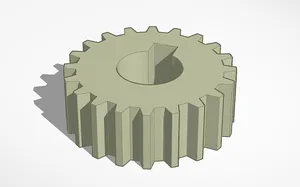

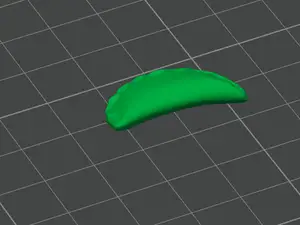

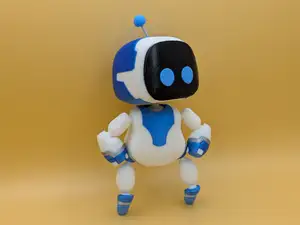

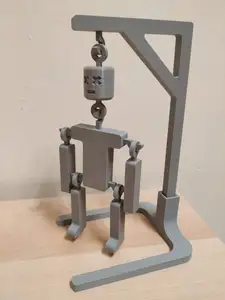

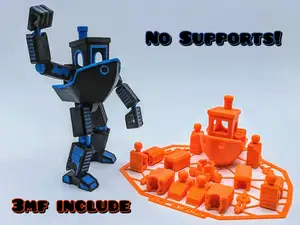

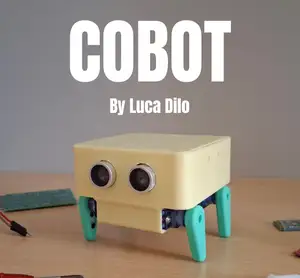


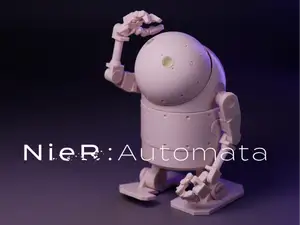

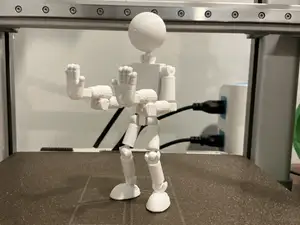

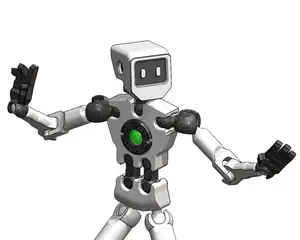

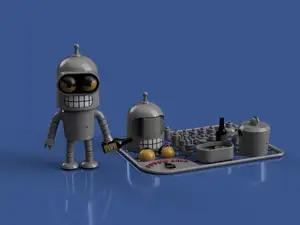
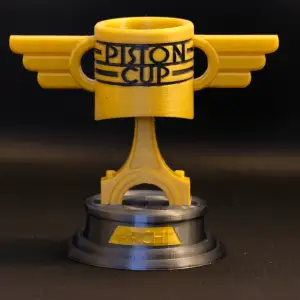
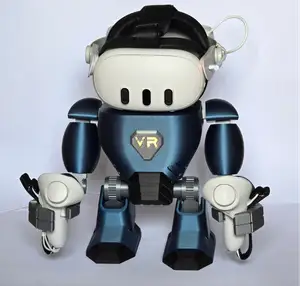




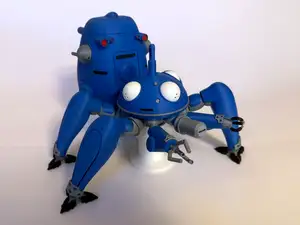
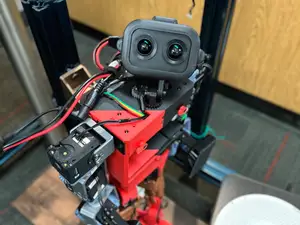


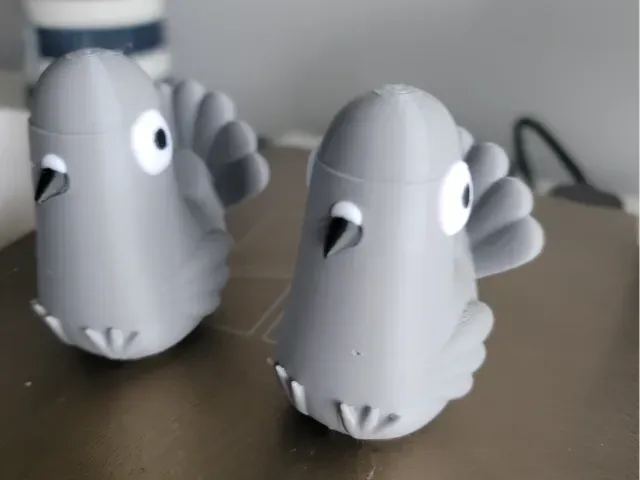
Mechanical entries dominate one part of the results: single pistons, radial arrangements and multi-cylinder engine blocks, often built as working or display models with several moving parts. Alongside them sit animal figures, mostly pigeons in sitting or standing poses, and a separate group of robots with articulated limbs or servo-driven legs. Keychains and other small desk items form a fourth group, usually simplified versions of the same mechanical shapes.
The differences matter more than the labels. Engine models vary in part count, whether the crank actually turns, and how much clearance the moving pieces need. Bird and robot figures differ mainly in pose, size and how many joints are printed as separate pieces. Small keychain versions trade detail for a lower profile, so a shape that reads well at desk scale may look coarse when enlarged.
On an author's model page, check the stated size and scale, the number of parts and how they join, whether supports are needed, and the material and settings the author lists. Photos of real prints show surface finish and how the assembly sits together better than renders do. If the results feel too broad, try narrower phrases such as piston model, radial engine, pigeon figure, poseable robot or keychain, and follow related terms like motor, bird or articulated figure.
Because the query is easy to misspell, some results are only near matches, including food and household items. Treat those as noise and refine with a more specific word from the list above. If you are looking for a particular mechanism, adding the cylinder count or the type of motion narrows the set quickly.


Il catalogo completo dei temi, dalla casa alla lavorazione CNC, con ricerca su tutti i siti collegati.