$ 2.50 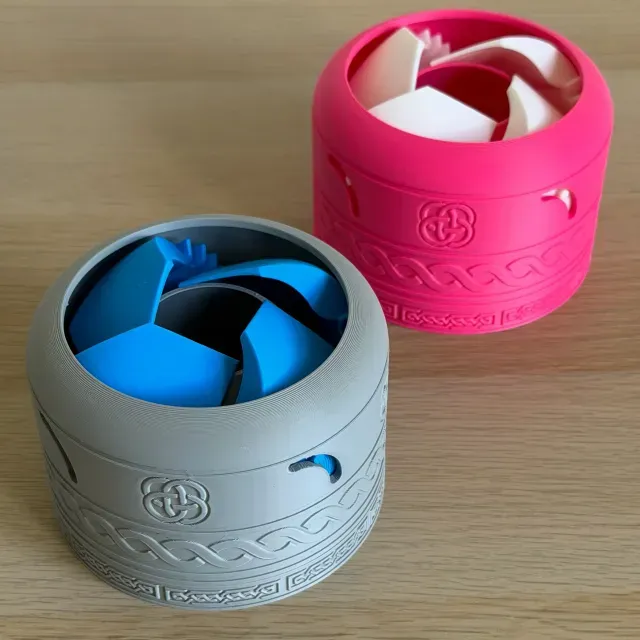
planetary box
Creality Cloud
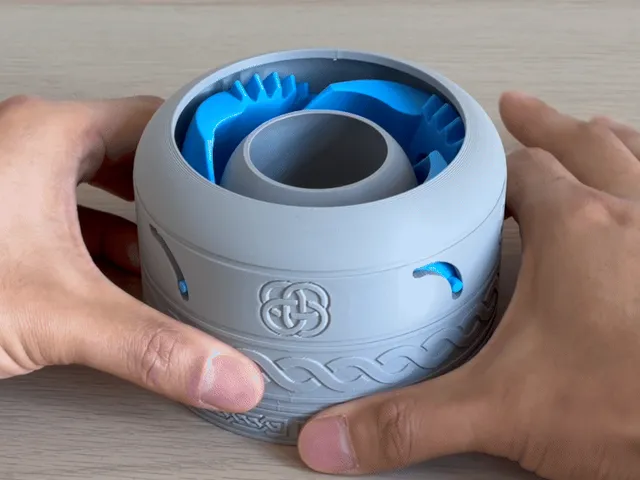
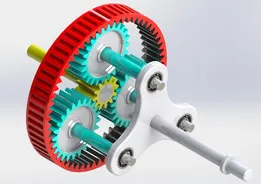
This collection covers 3D models built around planetary gear sets: compact gearboxes, iris and puzzle boxes, and small fidget toys. The same mechanism shows up in very different shapes, sizes and part counts. It is a useful starting point if you want to compare how designers lay out a gear train before you open an STL. Polyzon does not confirm whether models are free, their price, license, official status, affiliation, safety or fitness. Check the current terms at the source.
Il testo di questa raccolta è in inglese; la ricerca funziona in qualsiasi lingua.
 Una raccolta di Polyzon · 48 modelli da 7 siti
Polyzon compone questa raccolta a partire dai risultati di ricerca dei siti collegati. I doppioni e i modelli senza anteprima vengono rimossi, le corrispondenze deboli finiscono in fondo e il resto mantiene l’ordine dei risultati. I modelli appartengono ai rispettivi autori: verifica le condizioni sulla pagina di ciascun modello.
Criteri di selezione a cura della redazione di Polyzon · Testo aggiornato: 13/10/2026
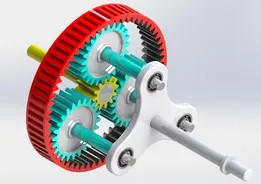

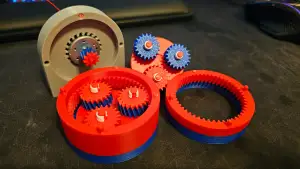

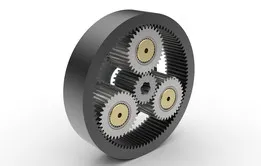
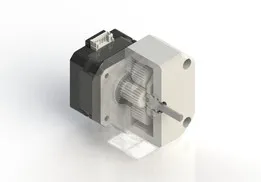

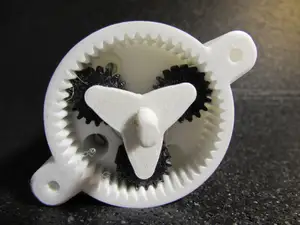
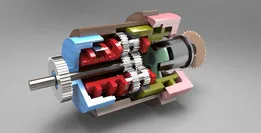
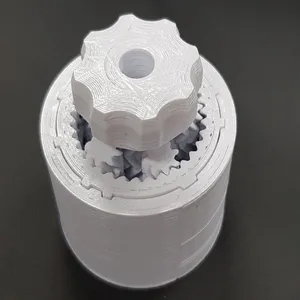
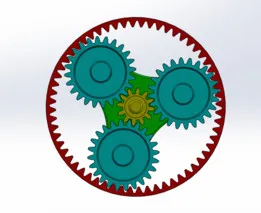

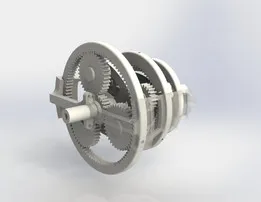
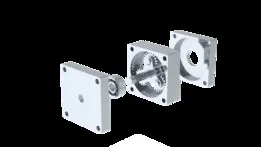
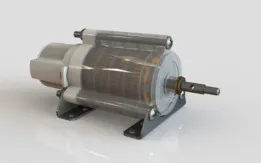
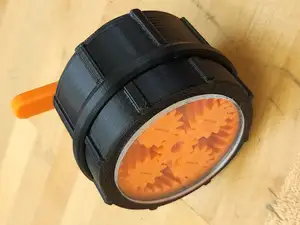

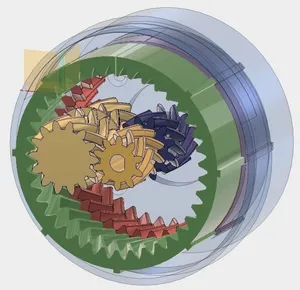
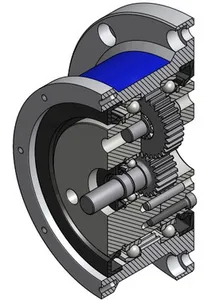
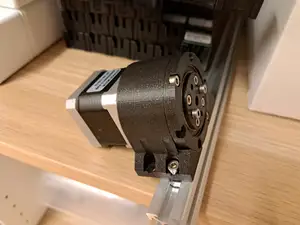


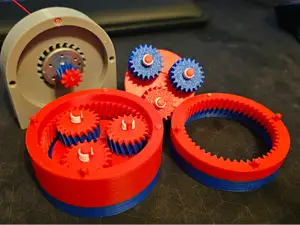
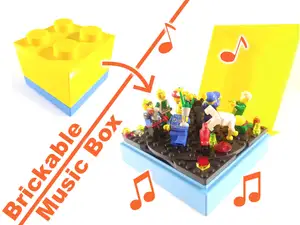



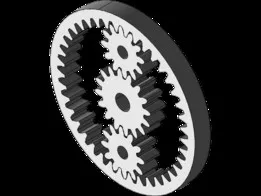
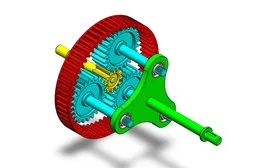

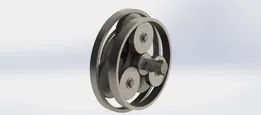

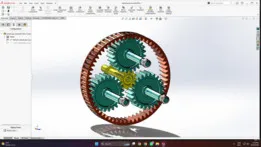
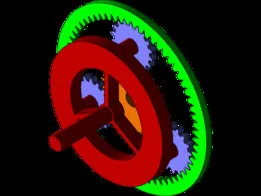
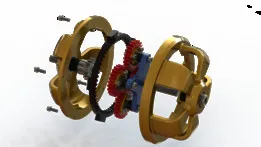
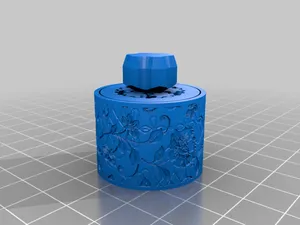

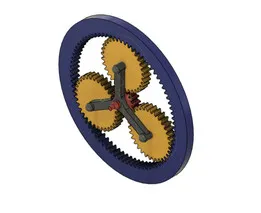
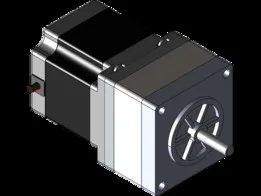

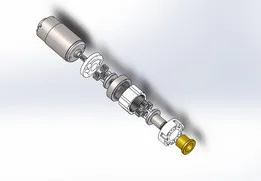
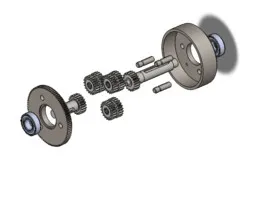

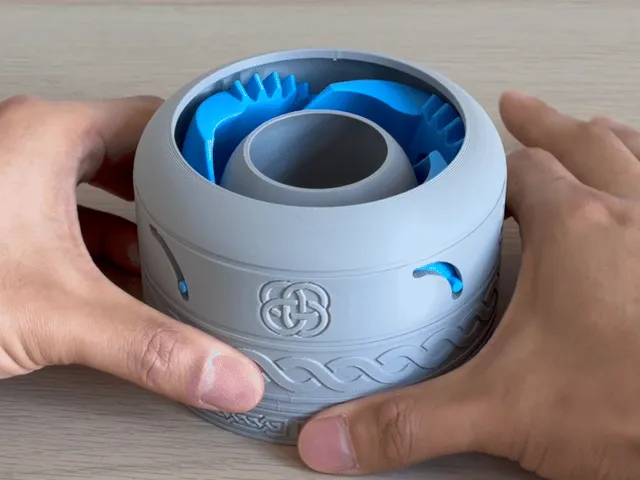
The models fall into a few groups. Some are plain gear mechanisms meant to be studied or used as a drive unit, including compound versions with two reduction stages. Others hide the gears inside a box: an iris lid that opens when you turn a ring, a puzzle box that only opens at a certain combination, or a decorative container with a turning gear on top. A third group turns the mechanism into a desk toy, where the gear set is the whole point and the housing is just a handle or a frame.
When you pick a model, read the author's page rather than the preview image. Check the stated size and scale, the number of separate parts, whether the assembly needs screws, bearings or a motor, and whether the author lists supports. For gears, the clearance between teeth matters more than the overall shape: a model drawn for a well-tuned printer may bind on a machine with heavy over-extrusion. Look at photos of real prints to see how the teeth and the moving joints came out, and note the material and layer height the author used.
If the results feel narrow, try related wording. Searches for planetary gearbox, compound gear set, reduction gear, iris mechanism or twist-lid box often surface models that a single phrase misses. Adding a use to the query, such as fidget, desk toy, gift box or motor mount, shifts the results toward one of the groups above. You can also search by the part you already have, for example a motor frame size, to find housings drawn around it.




Il catalogo completo dei temi, dalla casa alla lavorazione CNC, con ricerca su tutti i siti collegati.