Gratis 
Potentiometer Pedal
Thingiverse
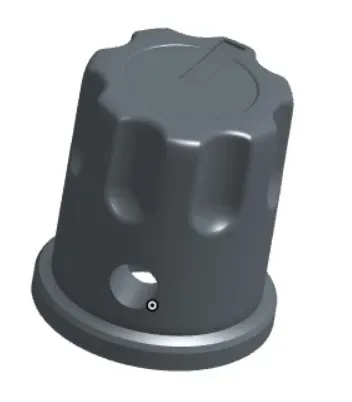
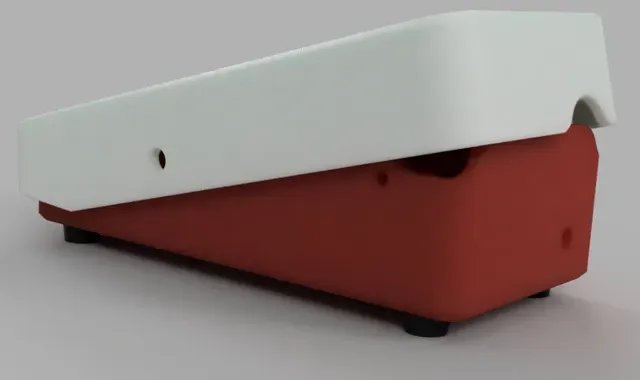
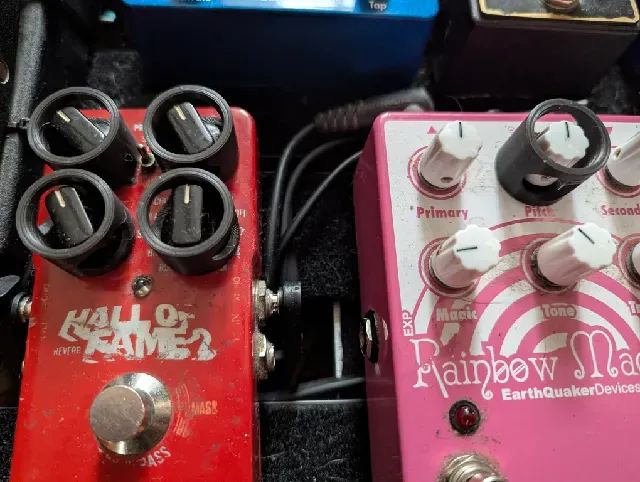
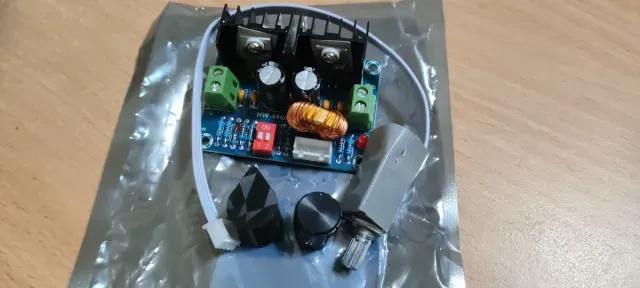
This collection gathers 3D models tied to potentiometer pedals: control knobs, replacement pots for sim rudder and pedal units, brackets, and DIY pedal bodies. Most of these parts are small and print quickly, which makes them useful when a knob cracks or a pedal needs a different shape. Each listing links to the source page, where you can read the details before sending an STL to your 3D printer. Polyzon does not confirm whether models are free, their price, license, official status, affiliation, safety or fitness. Check the current terms at the source.
Il testo di questa raccolta è in inglese; la ricerca funziona in qualsiasi lingua.
 Una raccolta di Polyzon · 48 modelli da 4 siti
Polyzon compone questa raccolta a partire dai risultati di ricerca dei siti collegati. I doppioni e i modelli senza anteprima vengono rimossi, le corrispondenze deboli finiscono in fondo e il resto mantiene l’ordine dei risultati. I modelli appartengono ai rispettivi autori: verifica le condizioni sulla pagina di ciascun modello.
Criteri di selezione a cura della redazione di Polyzon · Testo aggiornato: 15/10/2026
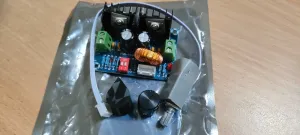


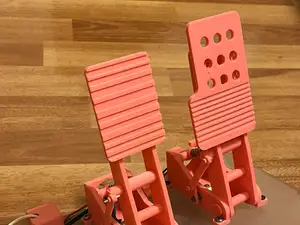
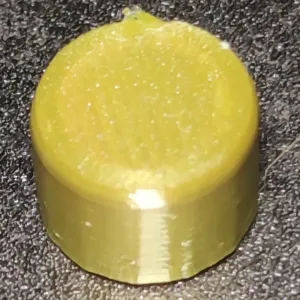


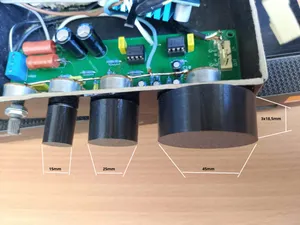
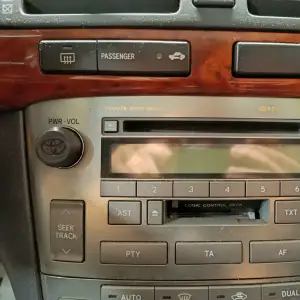

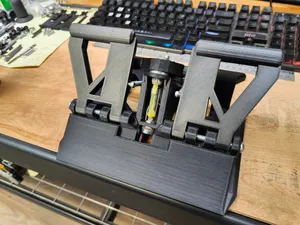
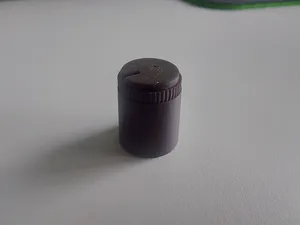
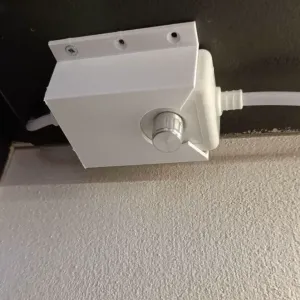

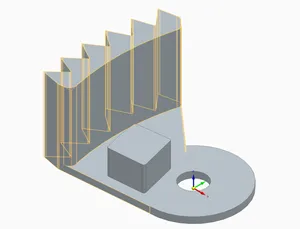
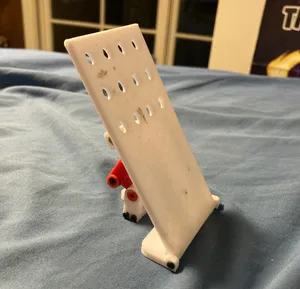
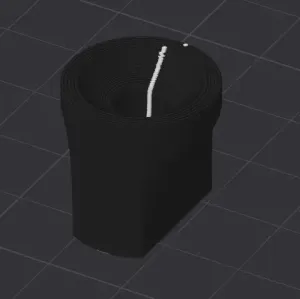

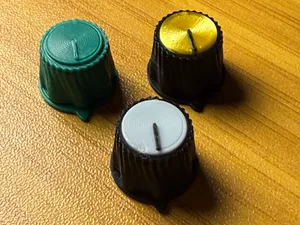
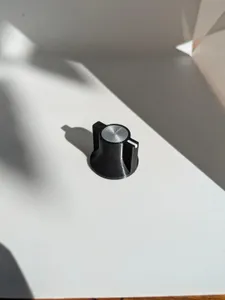

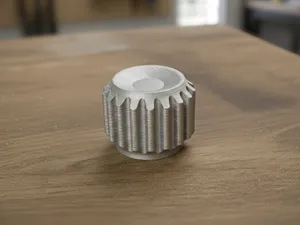

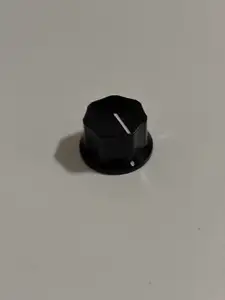
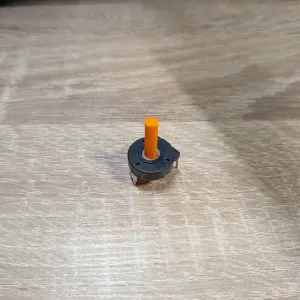

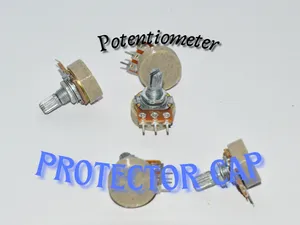
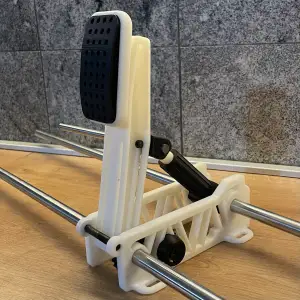

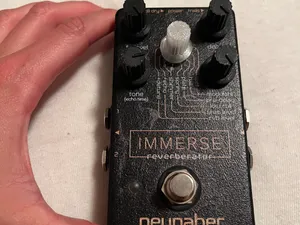
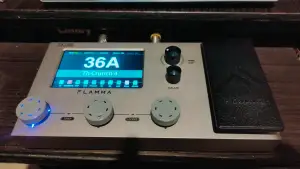

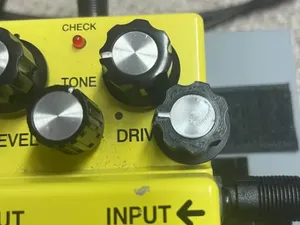
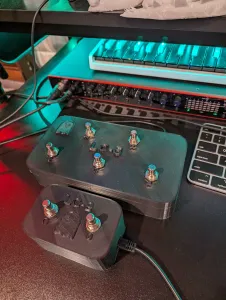

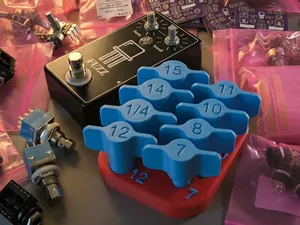
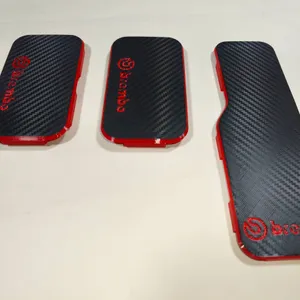

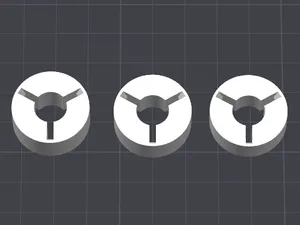
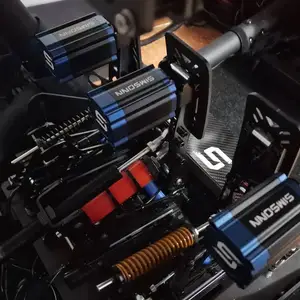

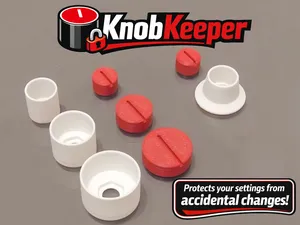
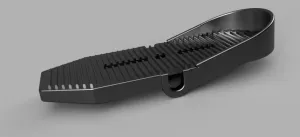

The models fall into a few groups. Knobs and caps are the most common: round or vintage-style grips sized for common shaft diameters, sometimes offered as multi-size sets. A second group covers replacement potentiometers and the housings that hold them, aimed at sim rudder pedals and racing pedal sets. A third group is DIY: foot pedals, expression pedals and mechanical pedal bodies designed around a potentiometer plus a button or lever.
When choosing, check the shaft diameter and the mounting style first, since a knob that fits a 6 mm splined shaft will not sit on a 6.35 mm round one. Look at the wall thickness around the shaft bore and whether the part is meant to be press-fit or secured with a set screw. For pedal bodies, review the number of parts, how they assemble, whether supports are needed, and the material and settings the author lists. Photos of real prints on the model page show more about fit than the render does.
To narrow the search, try related terms: control knob, shaft cap, expression pedal, foot switch, rudder axis, sim racing pedal, or the specific controller family you are repairing. Searching by shaft size or by the part you are replacing often works better than a generic phrase. If nothing matches, look at the author's other models, since parts for the same pedal are frequently published together.


Il catalogo completo dei temi, dalla casa alla lavorazione CNC, con ricerca su tutti i siti collegati.