
Gratis 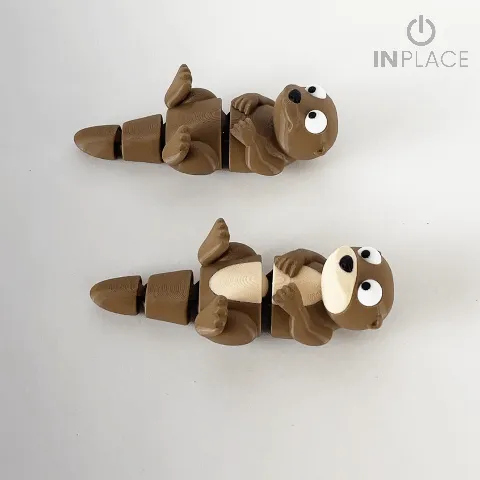
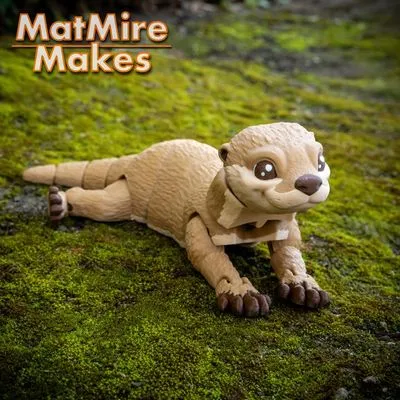
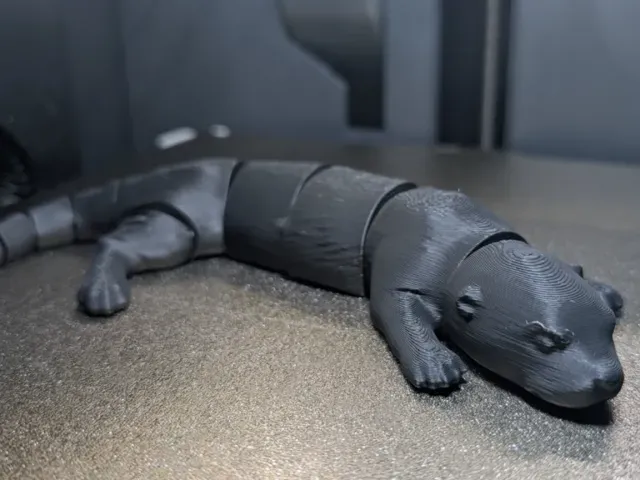
Cute River Otter Articulated
MakerWorld
This collection covers river otter 3D models in several directions: articulated flexi figures, realistic figurines, skull studies and small keychain versions. It is useful when you want to compare how each approach turns the animal into an STL file for 3D printing. Starting from the style you need narrows the list faster than searching by animal name alone. Polyzon does not confirm whether models are free, their price, license, official status, affiliation, safety or fitness. Check the current terms at the source.
Il testo di questa raccolta è in inglese; la ricerca funziona in qualsiasi lingua.
 Una raccolta di Polyzon · 48 modelli da 8 siti
Polyzon compone questa raccolta a partire dai risultati di ricerca dei siti collegati. I doppioni e i modelli senza anteprima vengono rimossi, le corrispondenze deboli finiscono in fondo e il resto mantiene l’ordine dei risultati. I modelli appartengono ai rispettivi autori: verifica le condizioni sulla pagina di ciascun modello.
Criteri di selezione a cura della redazione di Polyzon · Testo aggiornato: 12/10/2026


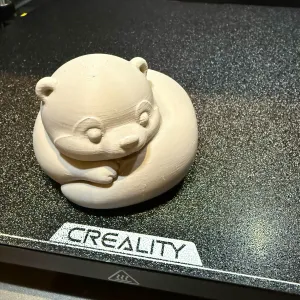
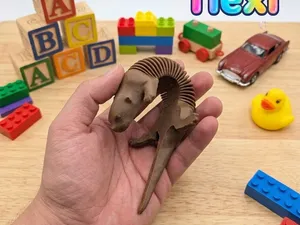
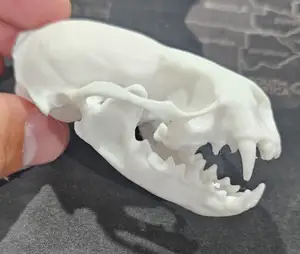

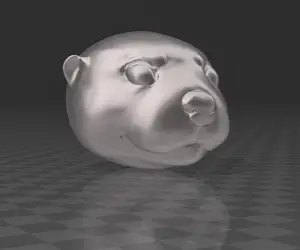
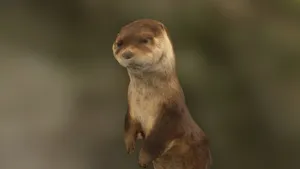
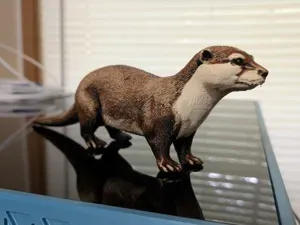
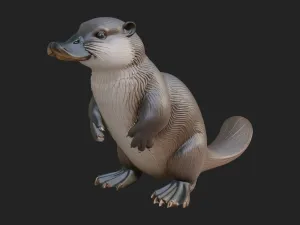

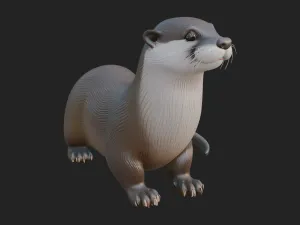
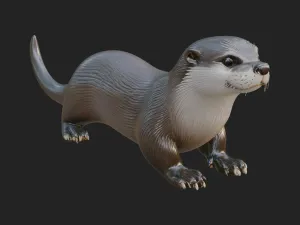

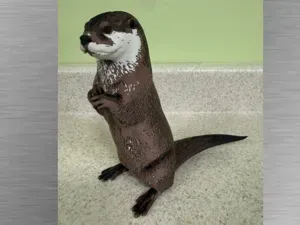
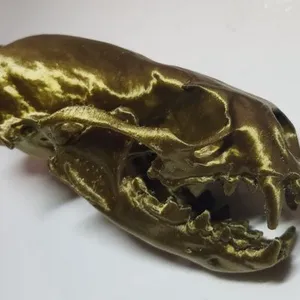
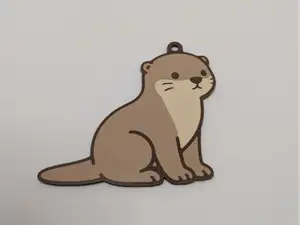
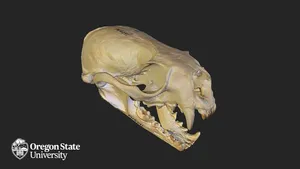


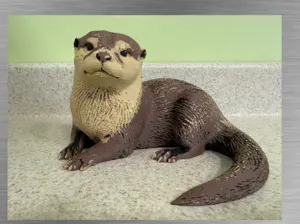
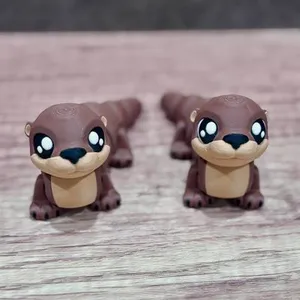
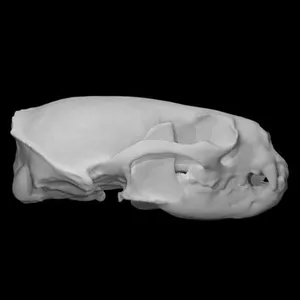


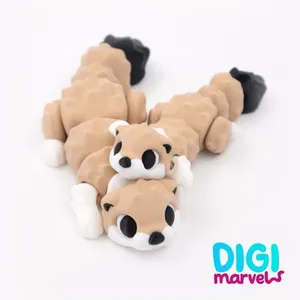
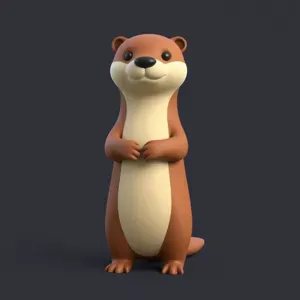
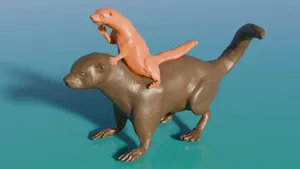

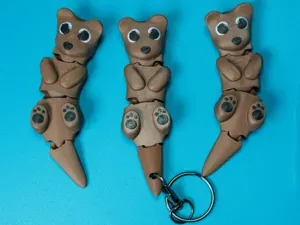
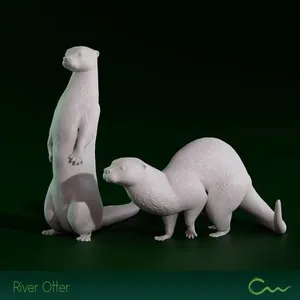
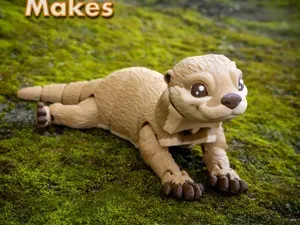


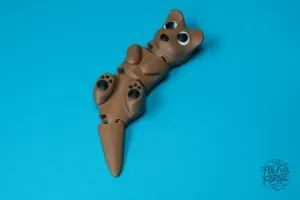


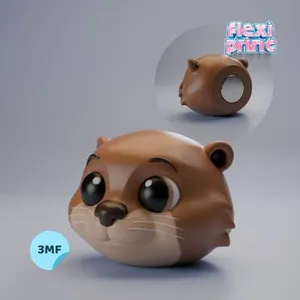

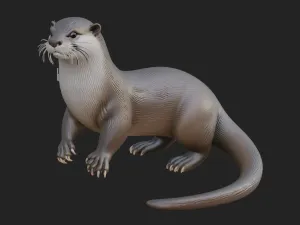

The articulated and flexi variants are built as a single connected body with joints, so the printed otter bends and poses without assembly. Realistic figurines go the other way: they aim at fur volume, posture and proportions, and often come as one solid piece or a few parts. Skull and anatomy models sit closer to study references, while keychain and pendant versions reduce the same animal to a small flat or compact shape. Low-poly and stylized interpretations trade detail for clean, simple surfaces.
On an author's model page, look at the stated dimensions and scale first, since a figurine sized for a shelf and a charm sized for a keyring behave differently on the build plate. Check how many parts the model has and whether they are meant to be glued or snapped together, and read the notes on whether supports are needed and where they would touch the surface. The material and settings the author lists, together with photos of real prints, tell you more about the expected result than the render does.
If the results feel too broad, search by construction rather than by animal: articulated, flexi, print-in-place, low poly or skull. Related terms such as otter figurine, otter charm, otter bust or mustelid bring in models that use different wording in the title. Combining the animal name with a use case, like desk toy or keychain, filters the list further.




Il catalogo completo dei temi, dalla casa alla lavorazione CNC, con ricerca su tutti i siti collegati.