
Gratis 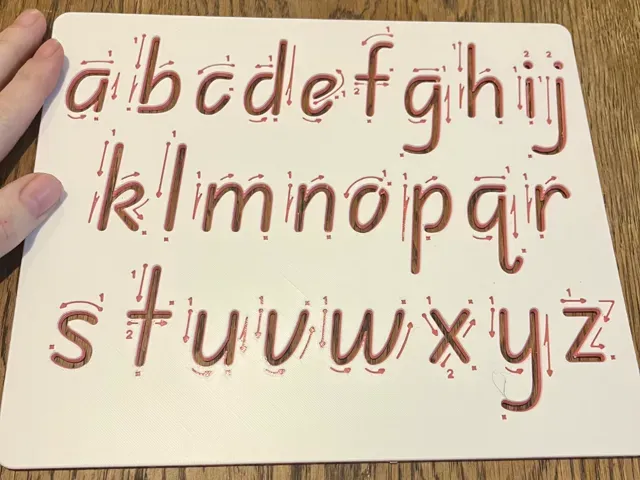
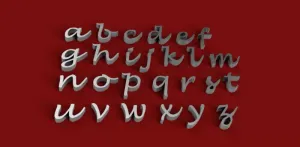
alphabet handwriting stencil with stroke direction
MakerWorld
This collection gathers 3D models built around hands and around pop-style objects: holders, planters, articulated figures, fidget toys and small phone accessories. It is useful if you want a quick overview of how varied the theme is before opening a single model page. Most files are made for everyday 3D printing on a desktop 3D printer, in one or several parts. Polyzon does not confirm whether models are free, their price, license, official status, affiliation, safety or fitness. Check the current terms at the source.
Il testo di questa raccolta è in inglese; la ricerca funziona in qualsiasi lingua.
 Una raccolta di Polyzon · 48 modelli da 8 siti
Polyzon compone questa raccolta a partire dai risultati di ricerca dei siti collegati. I doppioni e i modelli senza anteprima vengono rimossi, le corrispondenze deboli finiscono in fondo e il resto mantiene l’ordine dei risultati. I modelli appartengono ai rispettivi autori: verifica le condizioni sulla pagina di ciascun modello.
Criteri di selezione a cura della redazione di Polyzon · Testo aggiornato: 15/10/2026









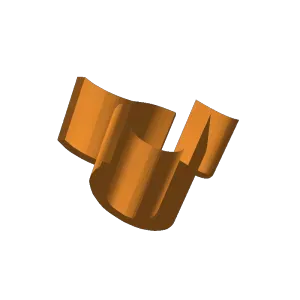
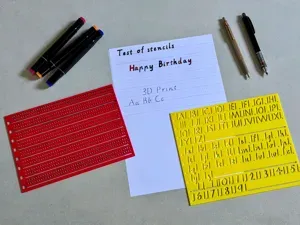

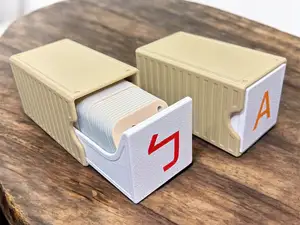



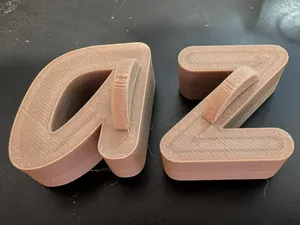





The theme splits into a few clear groups. Hand-shaped holders and stands are usually built around a specific object, such as a can, a cup or a tool, while hand-shaped planters are closed or open vessels with a wrist or palm as the body. Articulated hands and oversized gauntlet-style figures are the opposite case: they are mostly about joints and pose, not about carrying something. Pop-it fidget boards and keychains sit in the sensory-toy corner, and pop-socket or magnetic mounts belong to phone accessories.
When you open a model page, check the overall size and scale first, because hand models range from keychain-small to near life-size. Then look at the part count and whether the model prints as one piece or needs assembly, and whether the author lists supports, material and settings. Photos of real prints are the quickest way to judge wall thickness on fingers, joint clearance on articulated versions and how the model behaves when scaled up or down.
If the results feel narrow, try related wording. Searches for palm, wrist, fist, gauntlet or grip often surface models that a plain hand query misses, and planter, holder, stand or mount describe the same shapes from the functional side. For the pop part of the theme, fidget, sensory, bubble popper, keychain and phone grip are useful alternatives, and combining one shape word with one function word usually gives the most focused list.


Il catalogo completo dei temi, dalla casa alla lavorazione CNC, con ricerca su tutti i siti collegati.

