
Gratis 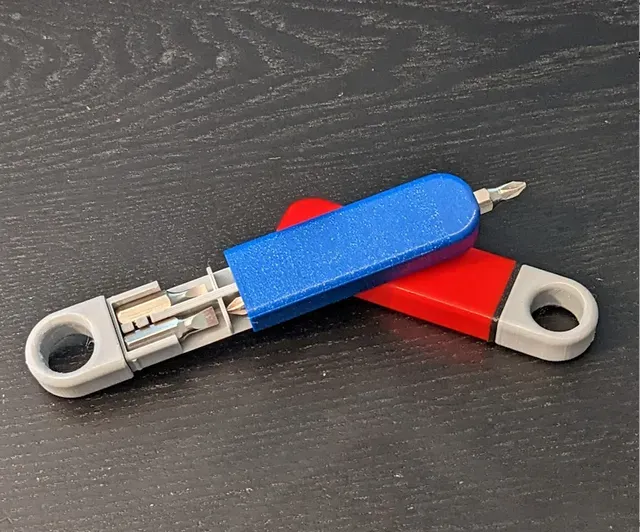
Pocket Screwdriver Kit
Printables
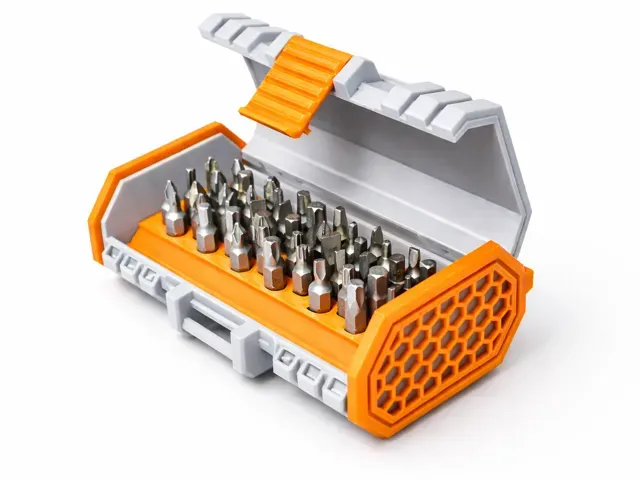
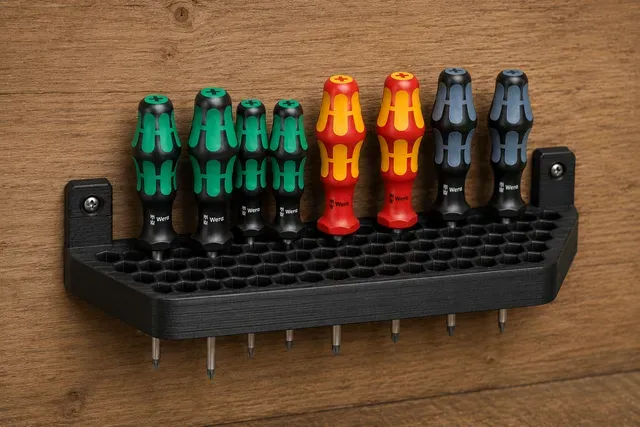
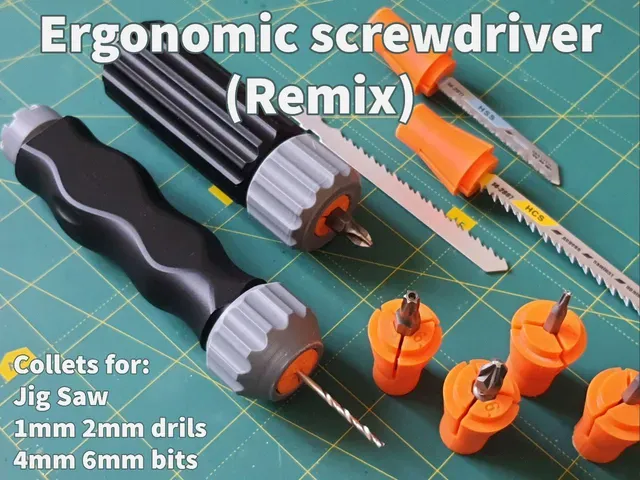
This collection covers 3D models built around screwdrivers: complete pocket tools, replacement handles, bit holders and storage for a workbench or wall. It helps if you want to repair a cracked handle, store a loose set of bits, or print a small tool as a first project on a 3D printer. Most entries are single-part STL files, while a few combine several printed pieces. Polyzon does not confirm whether models are free, their price, license, official status, affiliation, safety or fitness. Check the current terms at the source.
Il testo di questa raccolta è in inglese; la ricerca funziona in qualsiasi lingua.
 Una raccolta di Polyzon · 48 modelli da 5 siti
Polyzon compone questa raccolta a partire dai risultati di ricerca dei siti collegati. I doppioni e i modelli senza anteprima vengono rimossi, le corrispondenze deboli finiscono in fondo e il resto mantiene l’ordine dei risultati. I modelli appartengono ai rispettivi autori: verifica le condizioni sulla pagina di ciascun modello.
Criteri di selezione a cura della redazione di Polyzon · Testo aggiornato: 12/10/2026
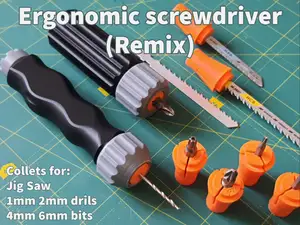

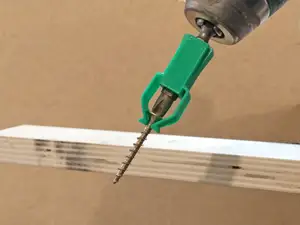
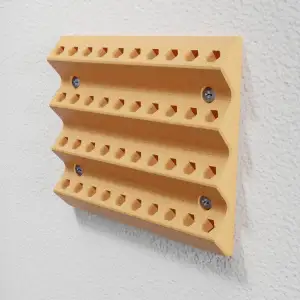


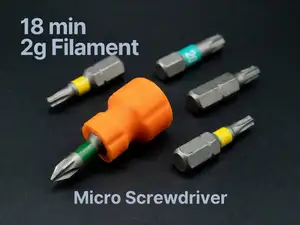

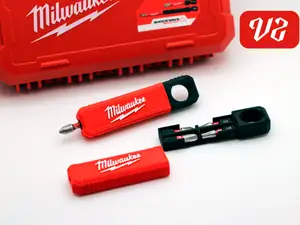


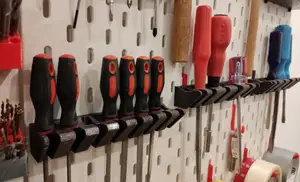

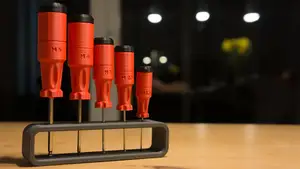


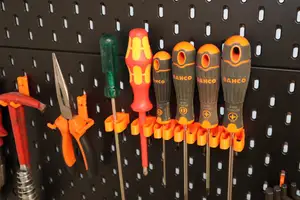


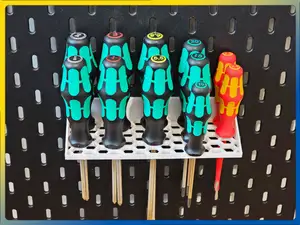
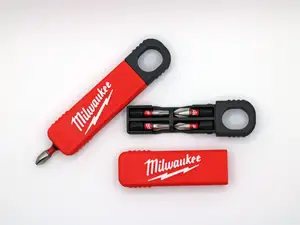
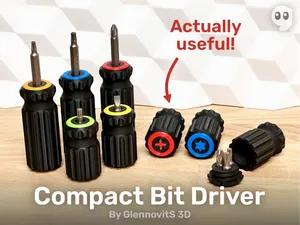


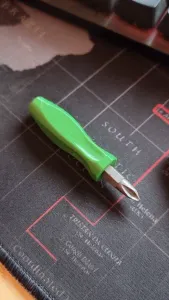


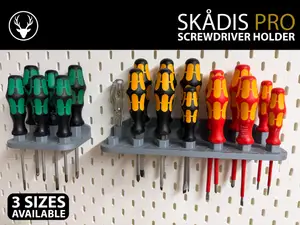

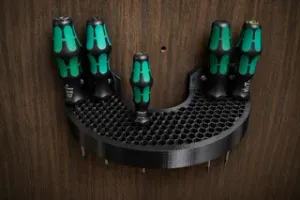

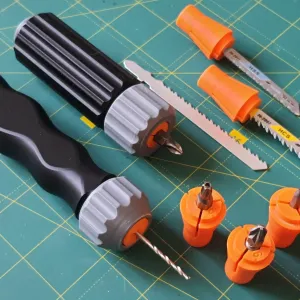
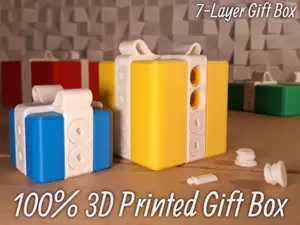

The models differ mainly in what they replace or add. Pocket and multi-bit designs combine a handle with a compartment for bits, so the printed body also acts as storage. Standalone handles vary in length, grip shape and how the bit is retained, from press-fit sockets to threaded caps. Micro and ratcheting versions are aimed at small electronics work, where a slim body and short reach matter more than torque. Wall-mounted holders, stands and cases are purely organizational and usually print as flat or box-shaped parts.
Before printing, read the author's page rather than judging from the thumbnail. Check the bit size the socket is drawn for, since hex across-flats dimensions differ between small precision bits and standard 1/4-inch ones. Look at the number of parts, how they join, and whether the author notes supports or a particular orientation. Filament type, layer height and wall count listed by the author are worth following, and photos of real prints show how the grip and the socket actually come out.
If the results feel narrow, try the words people use for the same object: bit holder, driver, hex key, Allen key, keychain tool, EDC tool, drawer organizer or pegboard mount. Related searches such as tool organizers, bit cases, workbench storage or desk tidies often surface models that fit the same need. Combining a tool term with a mounting term, like wall mount or stand, usually narrows a large list quickly.




Il catalogo completo dei temi, dalla casa alla lavorazione CNC, con ricerca su tutti i siti collegati.