Gratis 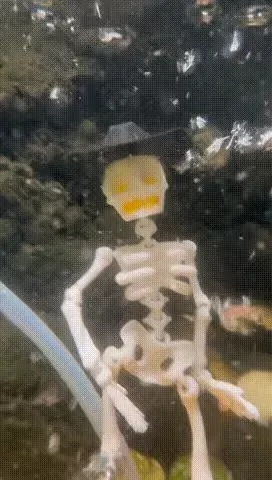
Dancing Skeleton Fish Tank Aerator Ornament | Western Scavenger 2.0 All-New Upgraded Version
Creality Cloud
This collection gathers skeleton dancer models built for 3D printing: articulated figures with moving joints, posed dancing characters, small warriors and a few winged skeleton dragons. It is useful when you want a print that reads as motion rather than a static statue. Most files are STL meshes meant for a desktop 3D printer, and the range covers both quick fidget-sized pieces and larger display builds. Polyzon does not confirm whether models are free, their price, license, official status, affiliation, safety or fitness. Check the current terms at the source.
Il testo di questa raccolta è in inglese; la ricerca funziona in qualsiasi lingua.
 Una raccolta di Polyzon · 48 modelli da 7 siti
Polyzon compone questa raccolta a partire dai risultati di ricerca dei siti collegati. I doppioni e i modelli senza anteprima vengono rimossi, le corrispondenze deboli finiscono in fondo e il resto mantiene l’ordine dei risultati. I modelli appartengono ai rispettivi autori: verifica le condizioni sulla pagina di ciascun modello.
Criteri di selezione a cura della redazione di Polyzon · Testo aggiornato: 15/10/2026
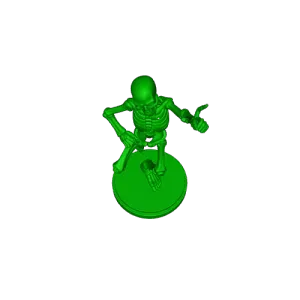

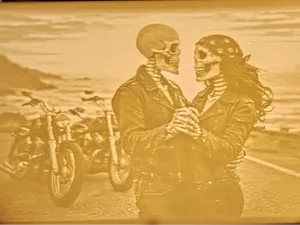

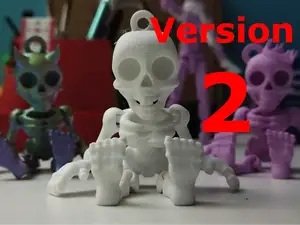
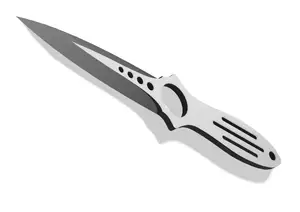

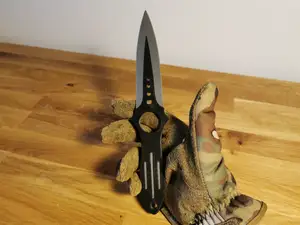


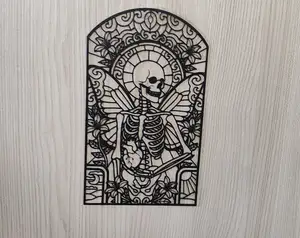


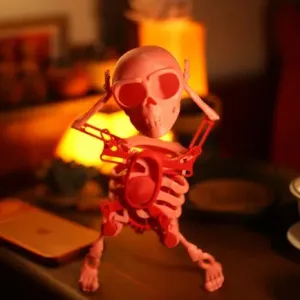
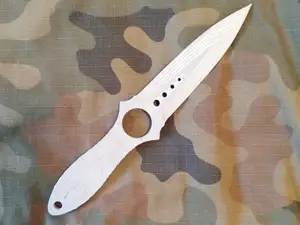


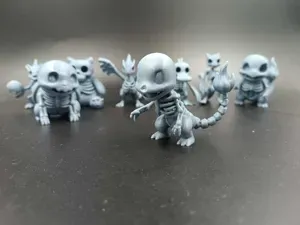


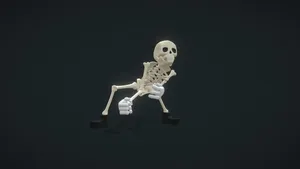

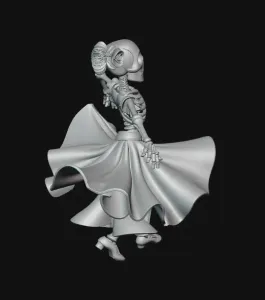
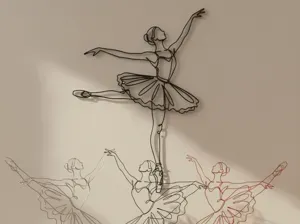
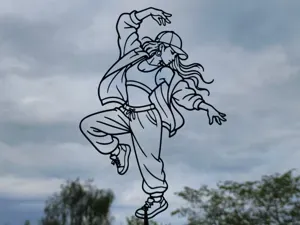
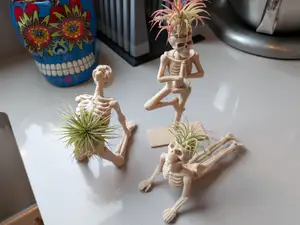


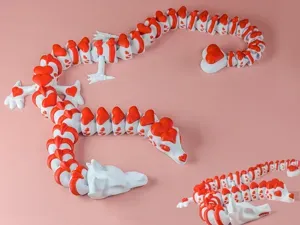
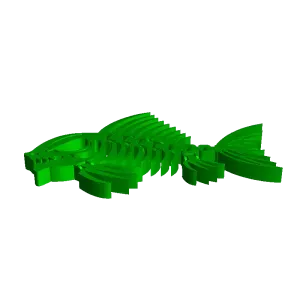

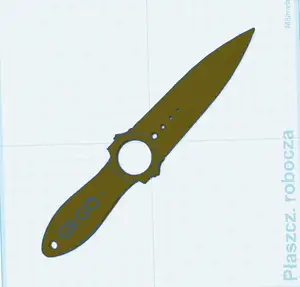
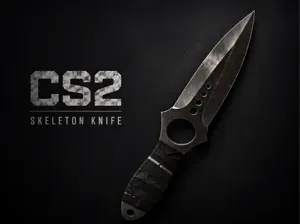

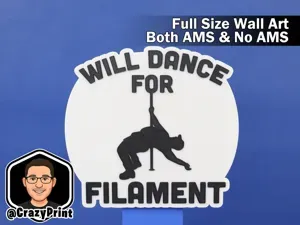
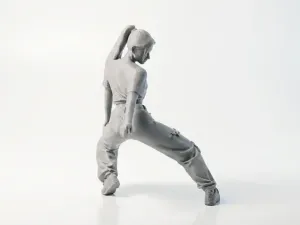
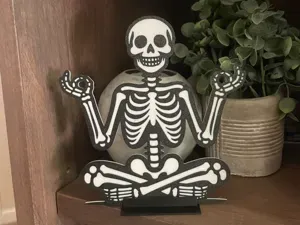
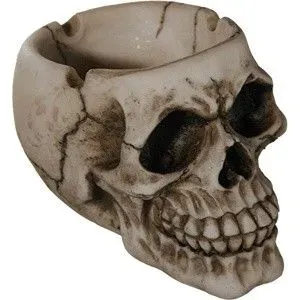

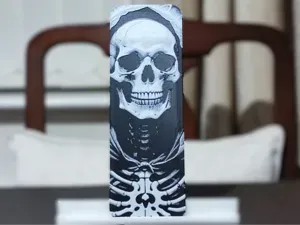

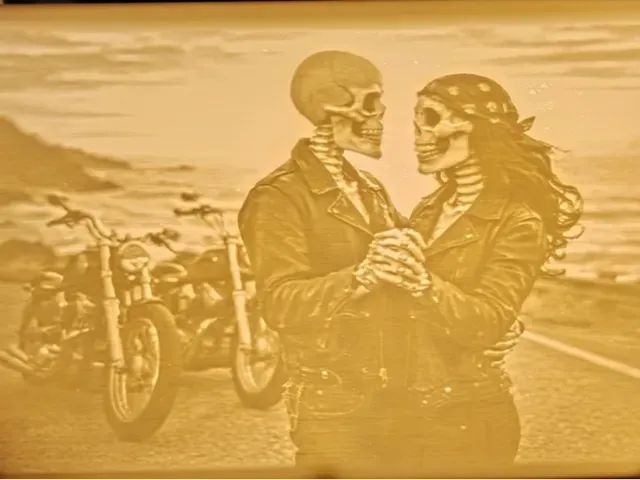
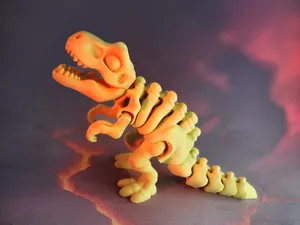
The models fall into a few groups. Articulated skeletons have joints modeled into the mesh so arms, legs and sometimes the jaw move after printing, while posed dancers are fixed in a single gesture and often need more careful orientation. Miniatures sit on bases and are scaled for tabletop play, and the dragon variants combine a skeleton theme with segmented wings and tails. Flat items such as stencils or lithophane panels use the same subject in two dimensions.
Before printing, open the author's model page and read the listed dimensions, part count and assembly notes. Check whether the joints have visible clearance, whether supports are mentioned for overhangs, and which material and layer height the author used. Photos of real prints are the most useful reference for how thin ribs, fingers and wing struts come out. If the figure is multi-part, look at how the pieces join before choosing a scale.
Search results widen quickly if you try related wording. Terms like articulated, flexi, fidget, dancing, party or spooky bring up moving figures, while skeleton warrior, undead, archer or knight lead to miniatures and tabletop sets. Adding a scale or a setting such as Halloween, party decoration or desk toy narrows the list further, and combining skeleton with dragon, stencil or lithophane reaches the flatter and winged variants.


Il catalogo completo dei temi, dalla casa alla lavorazione CNC, con ricerca su tutti i siti collegati.