
$ 7.00 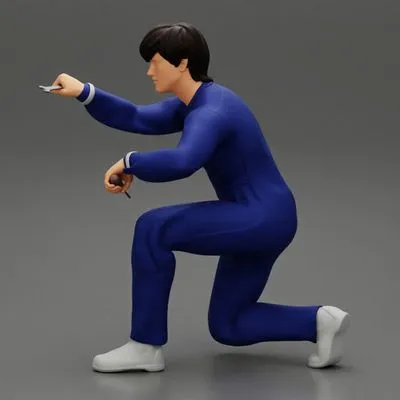
The mechanic is sitting and fixing the problems
MyMiniFactory
This collection gathers 3D models of seated and sitting figures, from skeletons and humanoids to animals and small kitchen helpers. It helps when you want a pose that rests on a shelf, a table edge or a base instead of standing upright. Each entry links to a source page for the STL files and the author's own notes. Polyzon does not confirm whether models are free, their price, license, official status, affiliation, safety or fitness. Check the current terms at the source.
Il testo di questa raccolta è in inglese; la ricerca funziona in qualsiasi lingua.
 Una raccolta di Polyzon · 48 modelli da 8 siti
Polyzon compone questa raccolta a partire dai risultati di ricerca dei siti collegati. I doppioni e i modelli senza anteprima vengono rimossi, le corrispondenze deboli finiscono in fondo e il resto mantiene l’ordine dei risultati. I modelli appartengono ai rispettivi autori: verifica le condizioni sulla pagina di ciascun modello.
Criteri di selezione a cura della redazione di Polyzon · Testo aggiornato: 11/10/2026
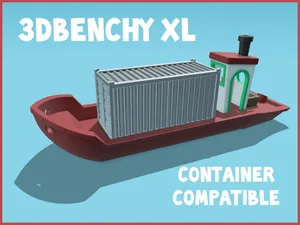

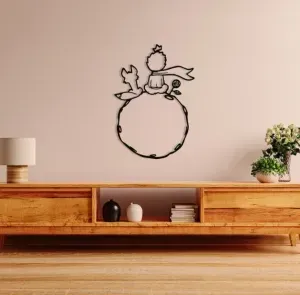
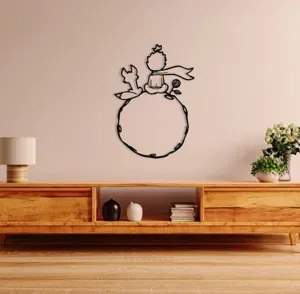
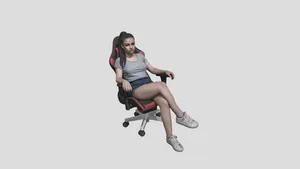

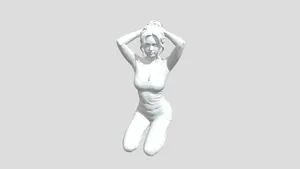



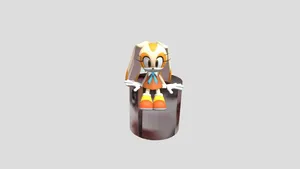

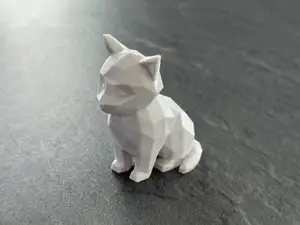
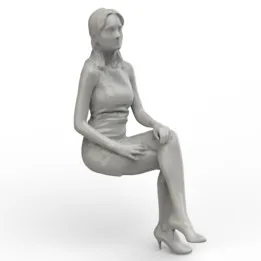

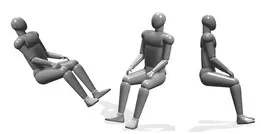
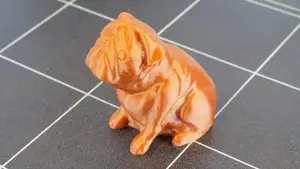


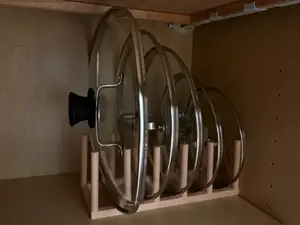
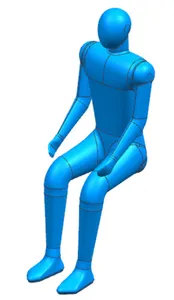
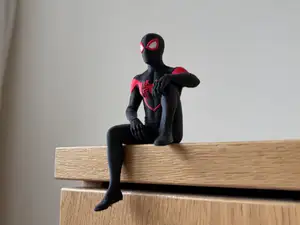
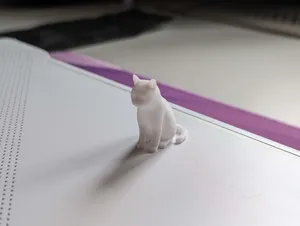

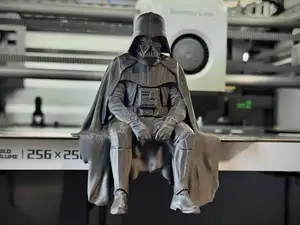
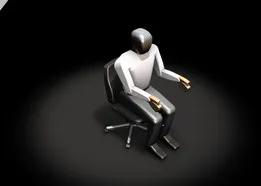

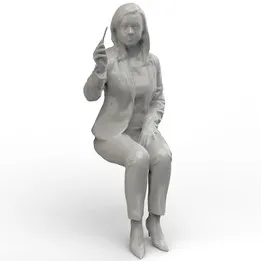


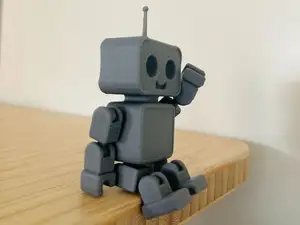
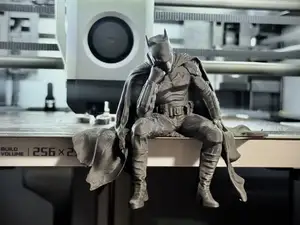


Seated humanoid figures form the centre of the topic: skeletons, thin characters and small stylised people posed on a chair, a couch or the ground. Sitting animals appear next to them, often cats, and differ mainly in body proportions and in how much of the model touches the surface. A separate group covers shelf-sitters and edge-perched figures, where the pose is built so the model hangs over a rim. Kitchen helpers such as spoon rests and lid stands carry the same sitting idea into a practical object, while portable stools and folding seats cover the functional end.
When you choose a model, look at the scale first, because a seated pose changes the footprint more than a standing one. Check how many parts the author lists, whether the figure prints as one piece or is assembled, and whether supports are needed for overhanging legs, arms or chair parts. The material and settings on the source page matter as well: a thin skeleton limb behaves differently from a solid stool leg. Photos of real prints are the quickest way to judge the pose and how the model contacts the surface.
To widen or narrow the search, try synonyms such as seated, perched, shelf sitter or figurine, and combine them with the subject you have in mind. Related topics include articulated figures, dioramas and miniature scenes, seasonal and anatomy studies, and kitchen items that share the sitting shape. Adding a material, a scale or a part count to the query usually removes most of the unrelated results.



Il catalogo completo dei temi, dalla casa alla lavorazione CNC, con ricerca su tutti i siti collegati.