
Gratis 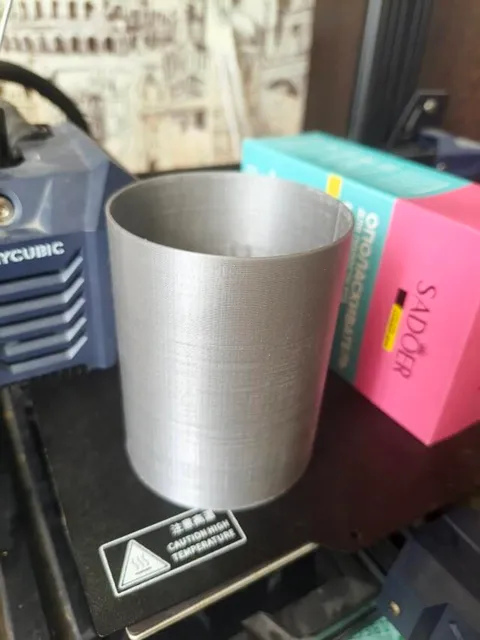
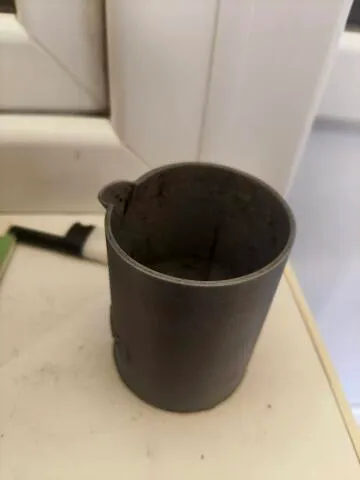
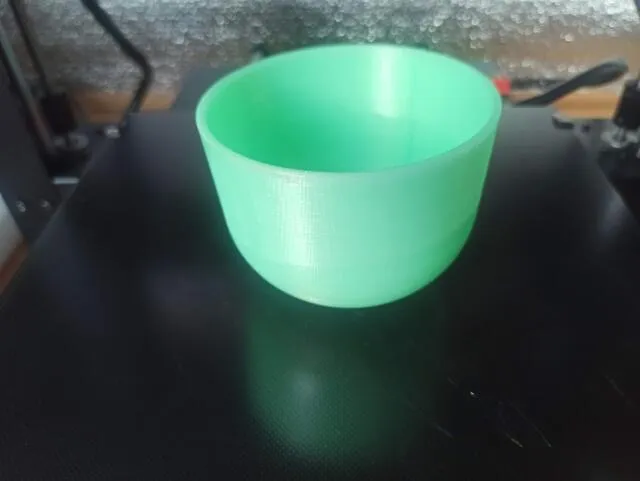
Стакан для резки опарыша.
3DToday
This collection gathers 3D models for small cups used when cutting maggots and similar bait, along with lidded containers and variants sized for other baits. Most of them are simple shapes that a 3D printer handles in a short session, which makes the topic easy to start with. The pages also show how the same idea changes with wall thickness, lid design and the material chosen for a clear look. Polyzon does not confirm whether models are free, their price, license, official status, affiliation, safety or fitness. Check the current terms at the source.
Il testo di questa raccolta è in inglese; la ricerca funziona in qualsiasi lingua.
 Una raccolta di Polyzon · 48 modelli da 7 siti
Polyzon compone questa raccolta a partire dai risultati di ricerca dei siti collegati. I doppioni e i modelli senza anteprima vengono rimossi, le corrispondenze deboli finiscono in fondo e il resto mantiene l’ordine dei risultati. I modelli appartengono ai rispettivi autori: verifica le condizioni sulla pagina di ciascun modello.
Criteri di selezione a cura della redazione di Polyzon · Testo aggiornato: 13/10/2026
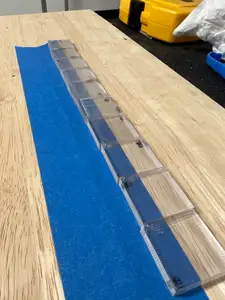

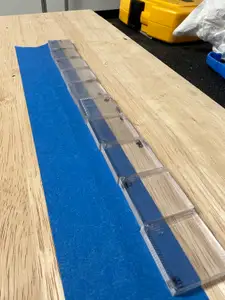
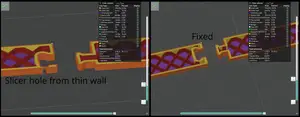
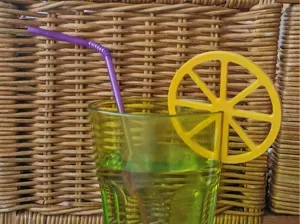



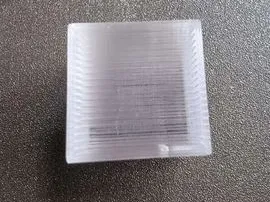

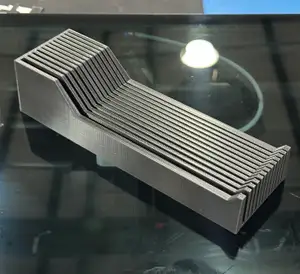


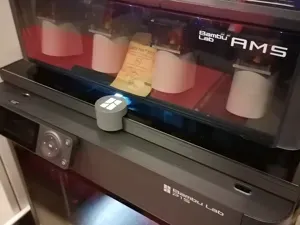

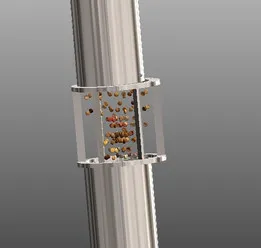


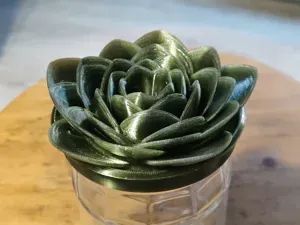
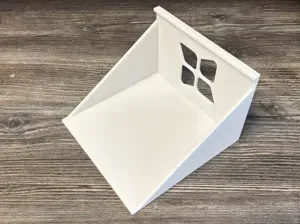


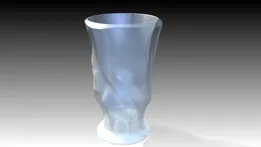


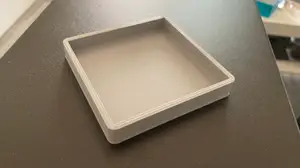
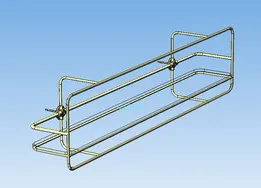


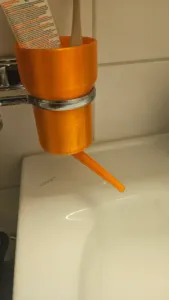


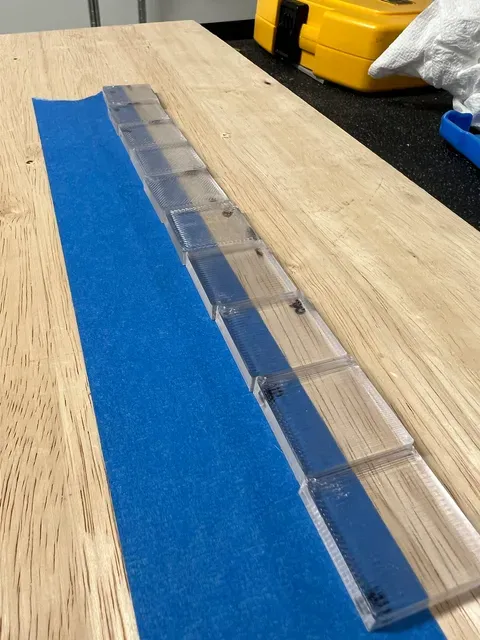
The models fall into a few groups. There are open cups with a flat base and a slot or rim that helps hold bait while you cut it, and there are versions with a lid so the contents stay in place between uses. A third group widens the same shape to other baits, such as worms or corn, where the container is deeper or wider. A fourth group is not about the cup itself but about printing transparent parts, since clear filament and resin behave differently from opaque ones.
When you pick a model, read the author's page rather than the thumbnail. Check the outer diameter and height against the container you already use, count the separate parts and see whether they clip or screw together. Look at whether the author lists supports, layer height, wall count and material, and whether photos of real prints are included. For clear parts, remember that layer lines and infill show through, so orientation and wall count matter more than the colour of the filament.
If the results feel narrow, try other words for the same object: bait box, bait tin, maggot cup, worm container, or the name of the fishing method you use. Searching for the lid or the cutting slot alone can also surface parts that fit a cup you already have. Related topics worth a look include tackle box inserts, hook holders and small lidded boxes, since they share the same size and closure problems.



Il catalogo completo dei temi, dalla casa alla lavorazione CNC, con ricerca su tutti i siti collegati.