
Gratis 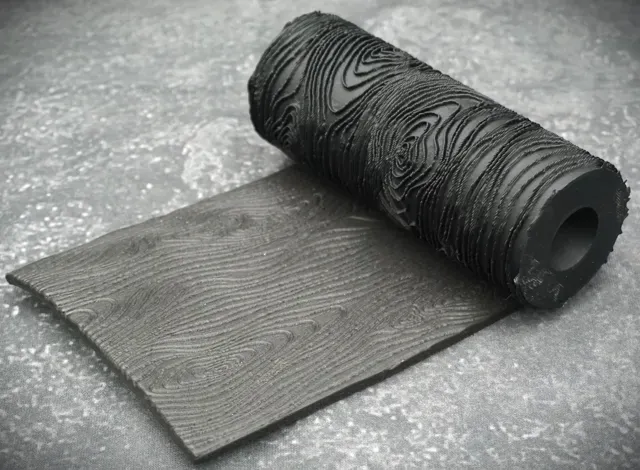
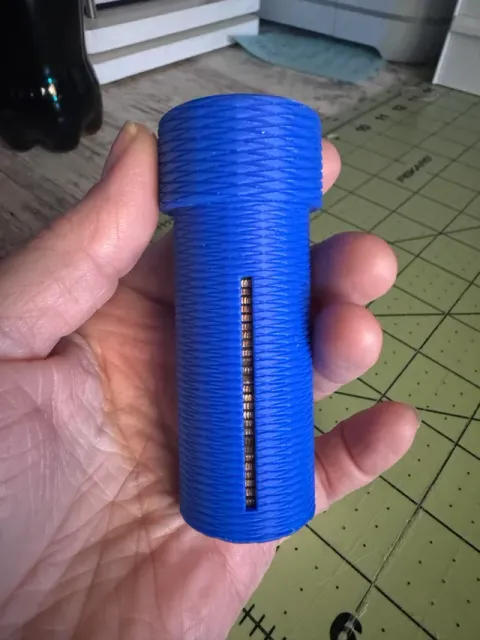
Textured Roll With Strong Wood Grain Pattern
MakerWorld
This collection gathers 3D-printable texture rolls that imprint patterns onto clay, foam and terrain surfaces. It covers wood grain, scale, stone, brick and geometric designs, so you can match a pattern to a base or diorama. Each listing comes from its own platform, which matters when you compare how a roller is meant to be used. Polyzon does not confirm whether models are free, their price, license, official status, affiliation, safety or fitness. Check the current terms at the source.
Il testo di questa raccolta è in inglese; la ricerca funziona in qualsiasi lingua.
 Una raccolta di Polyzon · 47 modelli da 5 siti
Polyzon compone questa raccolta a partire dai risultati di ricerca dei siti collegati. I doppioni e i modelli senza anteprima vengono rimossi, le corrispondenze deboli finiscono in fondo e il resto mantiene l’ordine dei risultati. I modelli appartengono ai rispettivi autori: verifica le condizioni sulla pagina di ciascun modello.
Criteri di selezione a cura della redazione di Polyzon · Testo aggiornato: 14/10/2026
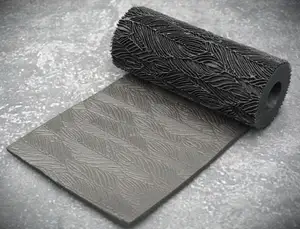


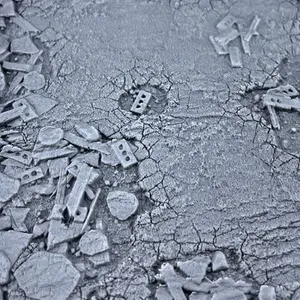


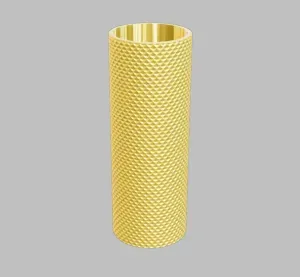

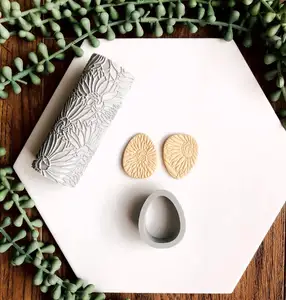
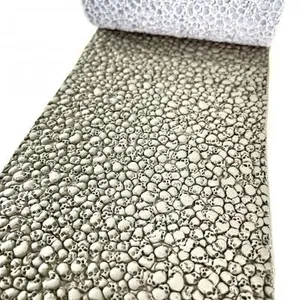

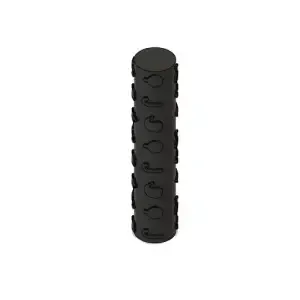
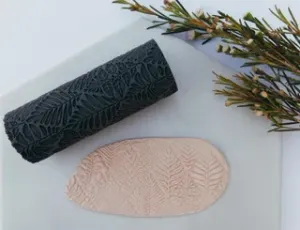
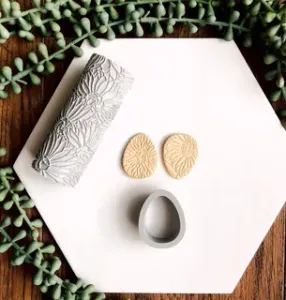


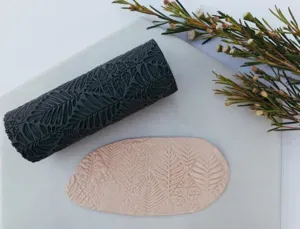

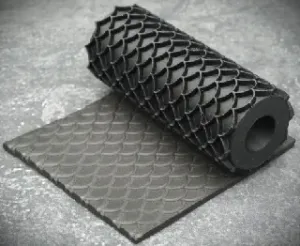

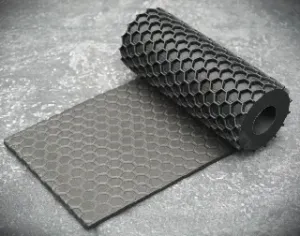
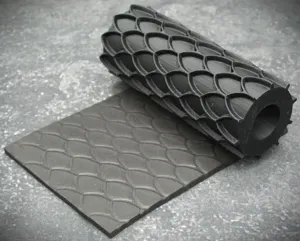
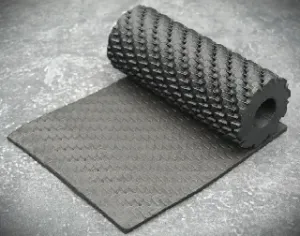
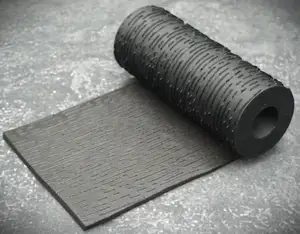
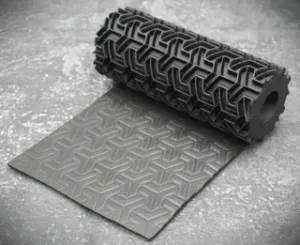
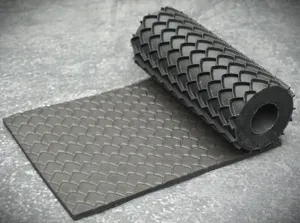
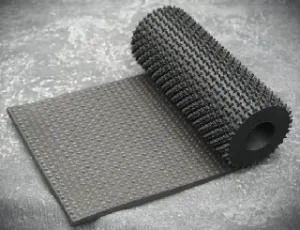
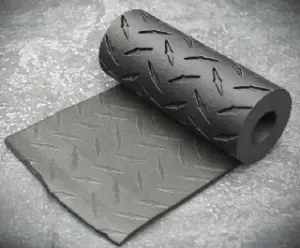
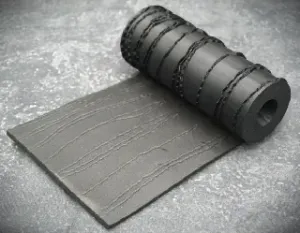
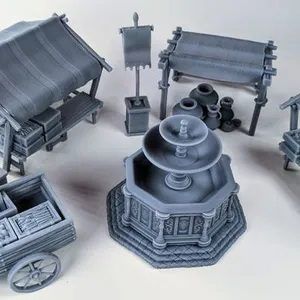
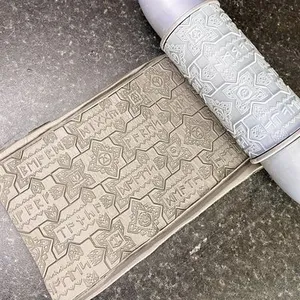
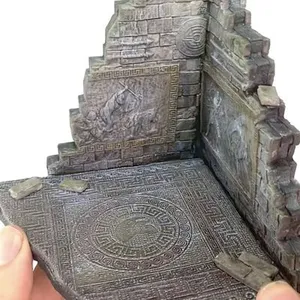
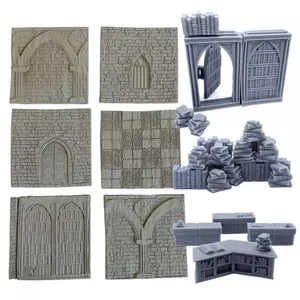
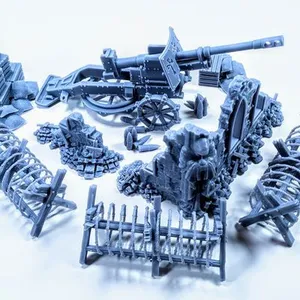
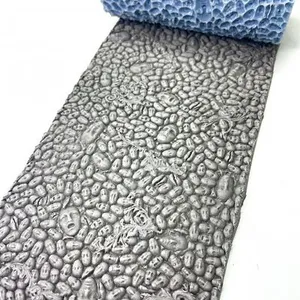

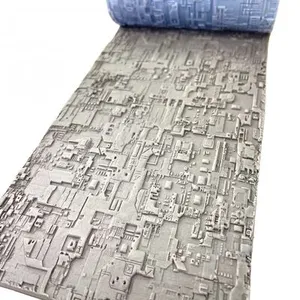
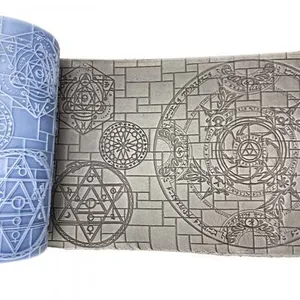
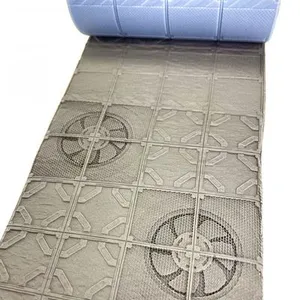
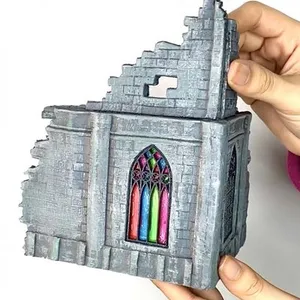
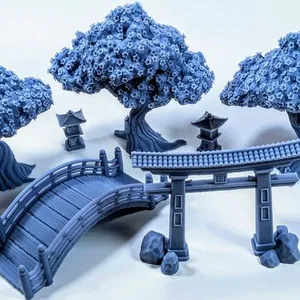

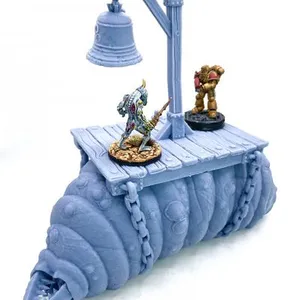
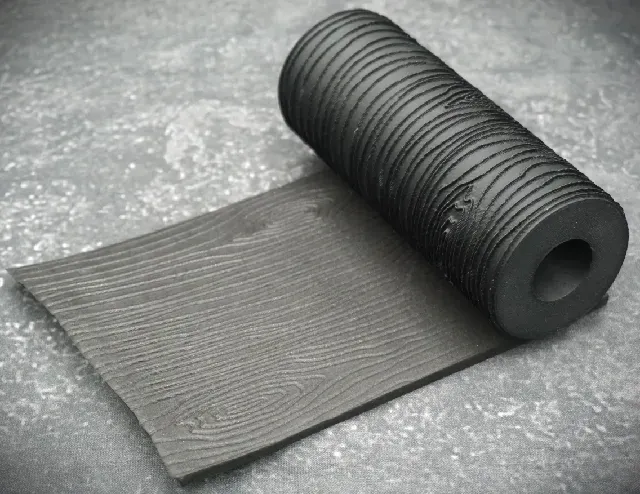
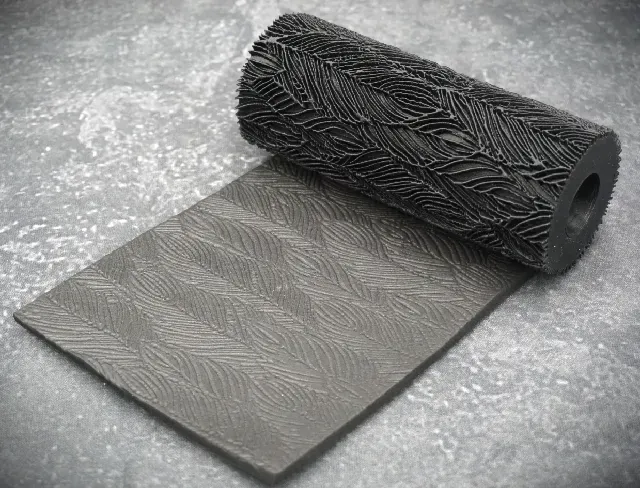
The rollers in this collection fall into a few families. Wood grain versions reproduce straight or figured timber, scale patterns range from small and round to large overlapping plates, and geometric rollers cover hexagons, grids, checker plate and cube reliefs. Stone and brick rollers give rougher masonry surfaces, while feather and bone motifs sit closer to organic detail work. Some entries are full rolls, others are quarter rolls, stamp wheels or combined roller-and-terrain sets, and that difference changes how much surface you can cover in one pass.
When you open a model page, check the listed diameter and pattern depth first, because both decide how the imprint reads at tabletop or model scale. Look at how many parts the file contains and whether the author shows assembly or a handle, and read the notes on orientation, layer height and whether supports are needed for the chosen axis. Photos of real prints are the most useful reference for judging how sharp the pattern stays after printing. The material the author lists for the roller and the material you intend to press into it should also line up.
Search results widen quickly if you try other wording. Terms such as texture roller, pattern roller, stamp wheel, clay texture stamp or terrain stamp often return the same kind of object under a different name, and naming the pattern directly works too: cobblestone, brick, dragon scale, hex, checker plate, birch or bone. Related topics like diorama terrain, miniature bases, cosplay armor panels and clay slab work lead to rollers used in those contexts. Combining a pattern word with a scale word narrows the list further.
If a roller is meant for a specific surface, the author usually says so in the description, and that note is worth reading before you commit to a print. Pattern depth and wall thickness affect how much pressure the roller takes, so thin-walled designs may behave differently from solid ones. Where a set includes several rollers or a matching terrain piece, check whether the parts are meant to be printed together or separately.


Il catalogo completo dei temi, dalla casa alla lavorazione CNC, con ricerca su tutti i siti collegati.