Gratis 
Customizable Filament Swatch (Filament test)
Thingiverse
This collection gathers 3D models that involve two common filaments: rigid PLA and flexible TPU, sometimes in the same object. It covers test prints, spool and filament accessories, flexi toys and multi-material boxes. If you are setting up a 3D printer for both materials, these files give you something concrete to compare settings against. Polyzon does not confirm whether models are free, their price, license, official status, affiliation, safety or fitness. Check the current terms at the source.
Il testo di questa raccolta è in inglese; la ricerca funziona in qualsiasi lingua.
 Una raccolta di Polyzon · 47 modelli da 4 siti
Polyzon compone questa raccolta a partire dai risultati di ricerca dei siti collegati. I doppioni e i modelli senza anteprima vengono rimossi, le corrispondenze deboli finiscono in fondo e il resto mantiene l’ordine dei risultati. I modelli appartengono ai rispettivi autori: verifica le condizioni sulla pagina di ciascun modello.
Criteri di selezione a cura della redazione di Polyzon · Testo aggiornato: 13/10/2026
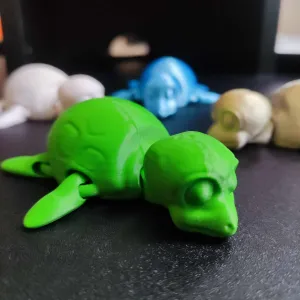


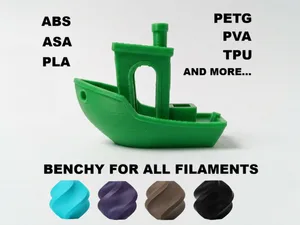
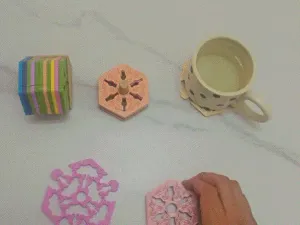

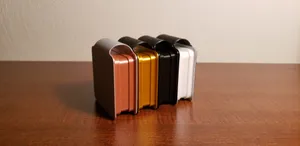
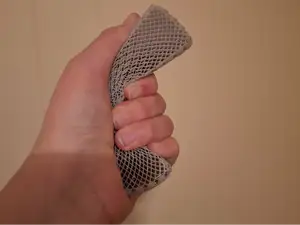
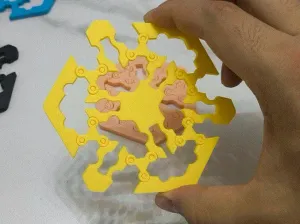


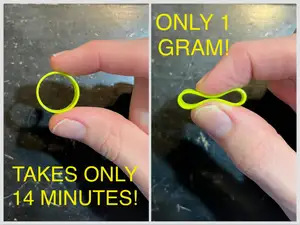
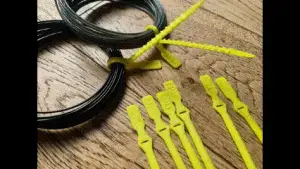


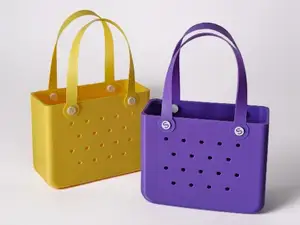
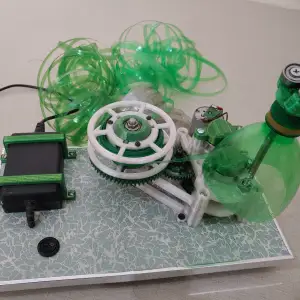



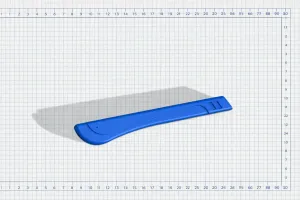


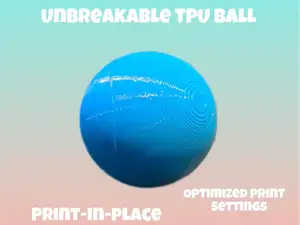
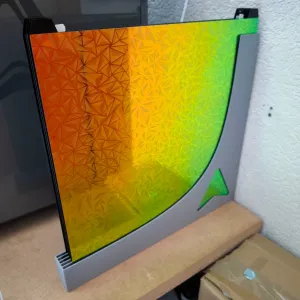




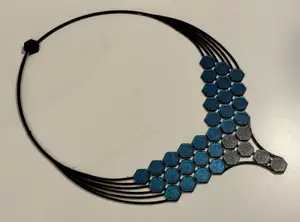
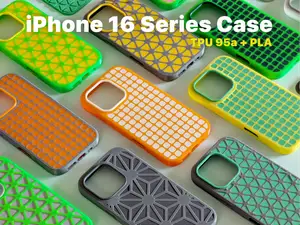
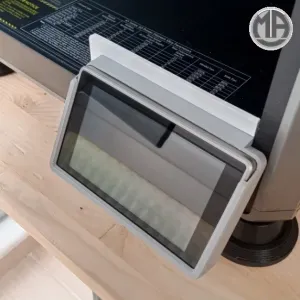

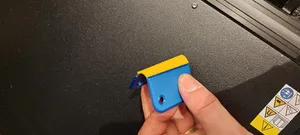
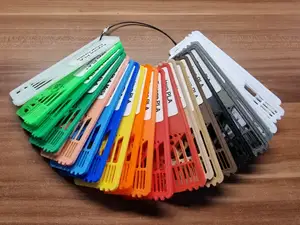
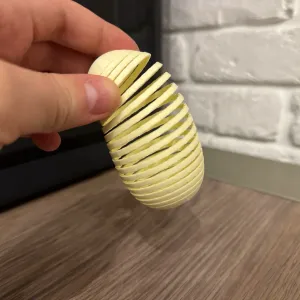


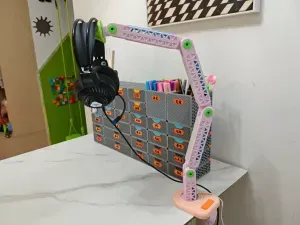

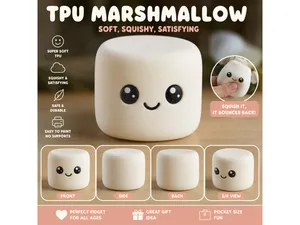
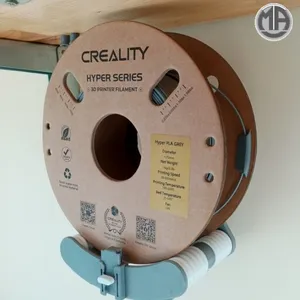
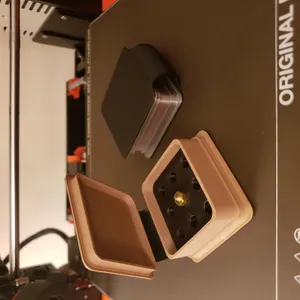
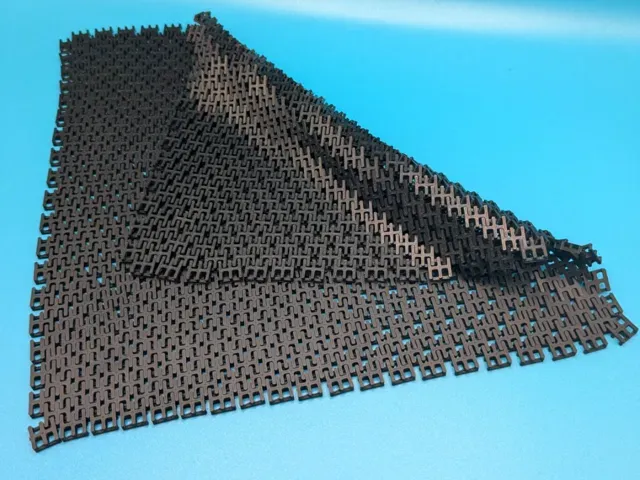
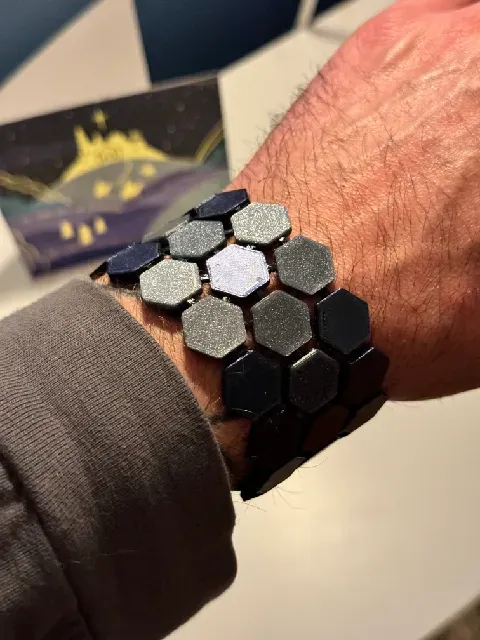
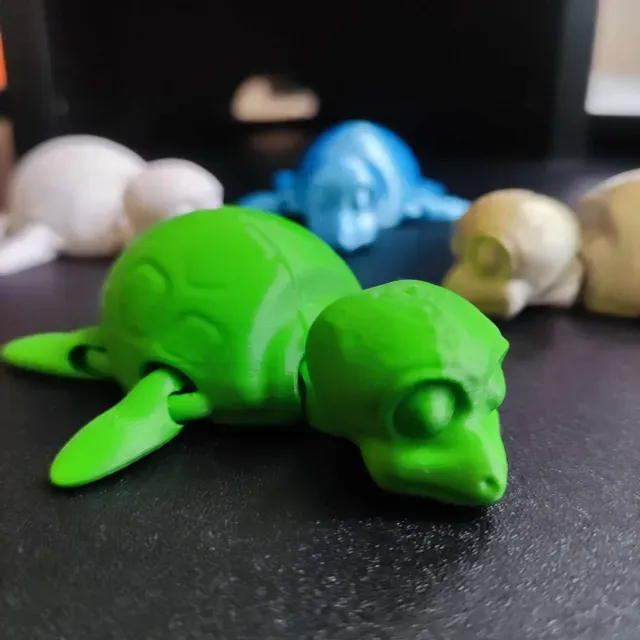
The two materials behave differently, and the models reflect that. PLA parts are usually stiff and dimensional, which suits holders, guides, coasters and box frames. TPU parts bend, squash and recover, so they appear as flexi figures, squish toys and thin living-hinge sections. A third group combines both: a rigid frame printed in PLA with flexible walls, hinges or grips printed in TPU, either as separate parts or through a multi-material setup.
Before printing, open the author's model page and read what is listed there. Check the size and scale, the number of separate parts and how they join, whether supports are needed, and which material and slicer settings the author describes. For TPU, look at the suggested hardness and print speed, since soft filament needs slower extrusion; for PLA, look at wall count and infill where the part carries load. Photos of real prints show how the finished object behaves better than a render does.
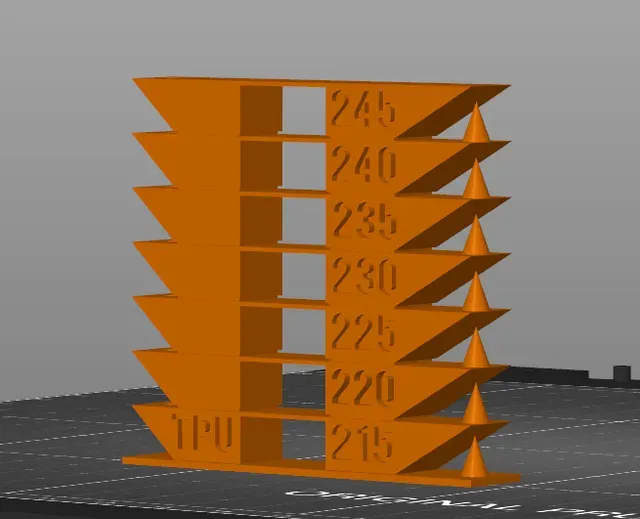
If the results feel narrow, widen the wording. Test-related files also appear under temperature tower, retraction test, calibration cube or filament swatch. Accessory searches work with spool holder, filament guide, filament clip or cable tie. Flexible prints are often labelled flexi, print in place, squishy or living hinge, and multi-material work under dual extrusion, hybrid or material change. Combining a material name with a shape or function usually returns more than the material alone.



Il catalogo completo dei temi, dalla casa alla lavorazione CNC, con ricerca su tutti i siti collegati.