
Gratis 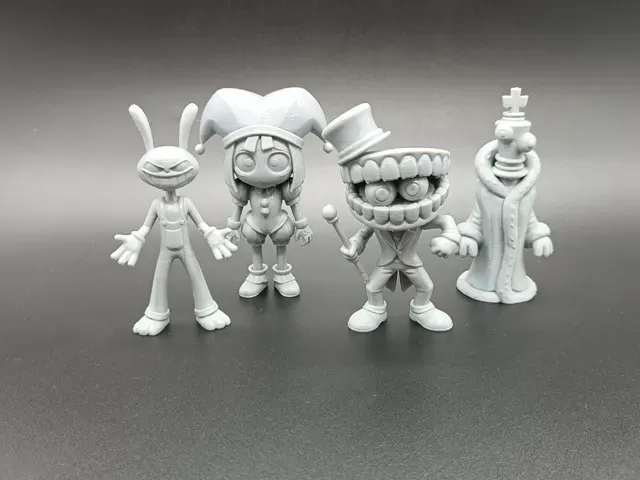
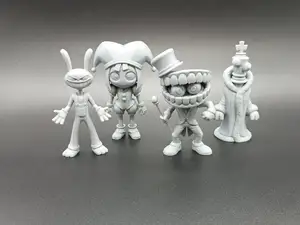
The Amazing Digital Circus – 4 Character Set
MakerWorld
This collection gathers 3D models based on The Amazing Digital Circus: character figures, articulated toys, masks, magnets and a few props from the show's settings. Most files are made for FDM 3D printing, while some are set up for multi-material or resin work. It is a starting point if you want to print a recognisable character or a small desk piece and need to compare how different authors approach the same subject. Polyzon does not confirm whether models are free, their price, license, official status, affiliation, safety or fitness. Check the current terms at the source.
Il testo di questa raccolta è in inglese; la ricerca funziona in qualsiasi lingua.
 Una raccolta di Polyzon · 48 modelli da 4 siti
Polyzon compone questa raccolta a partire dai risultati di ricerca dei siti collegati. I doppioni e i modelli senza anteprima vengono rimossi, le corrispondenze deboli finiscono in fondo e il resto mantiene l’ordine dei risultati. I modelli appartengono ai rispettivi autori: verifica le condizioni sulla pagina di ciascun modello.
Criteri di selezione a cura della redazione di Polyzon · Testo aggiornato: 13/10/2026


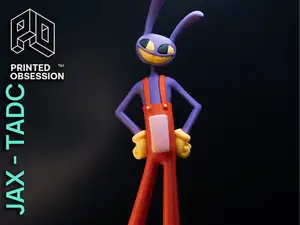
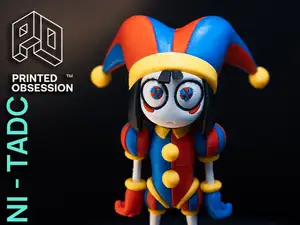
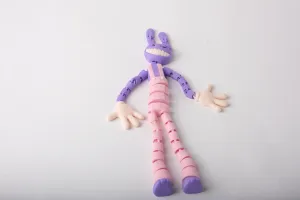

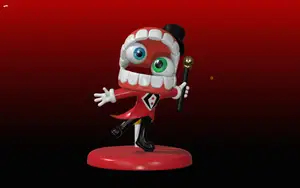

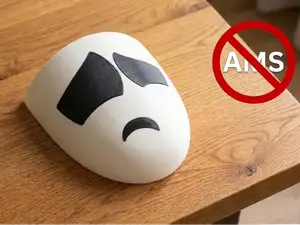
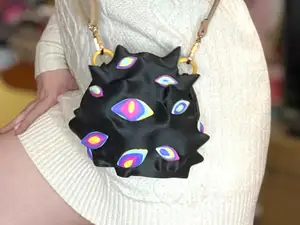


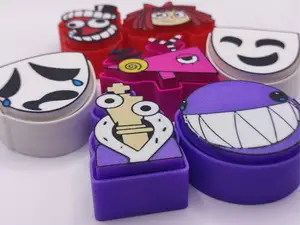

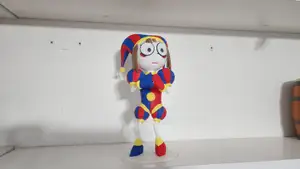

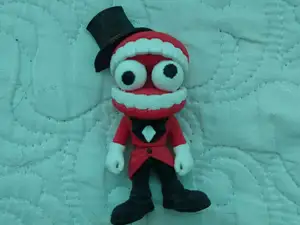
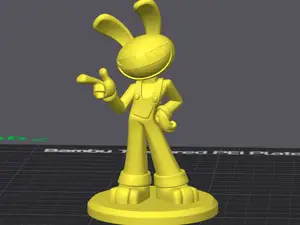

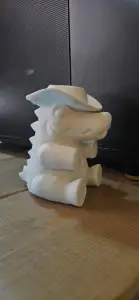
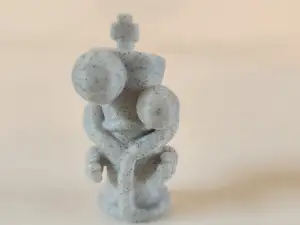
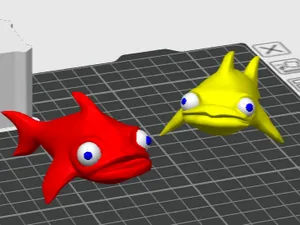
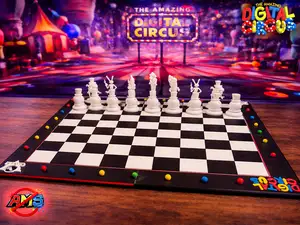


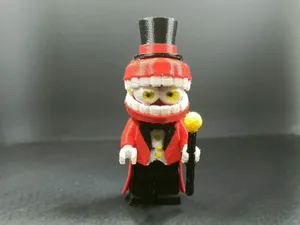
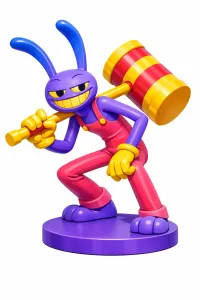
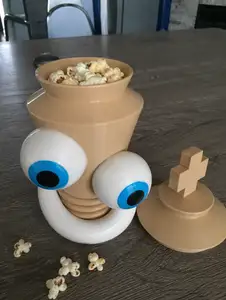

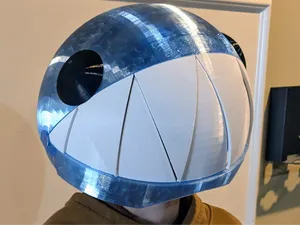
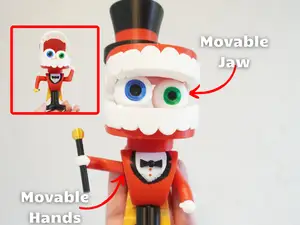
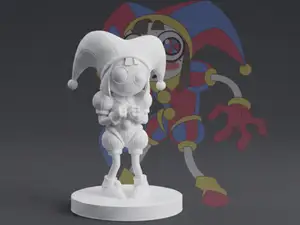
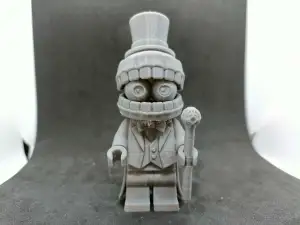
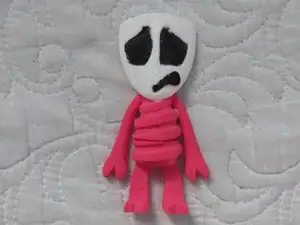
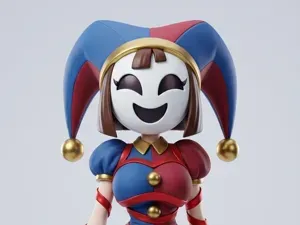
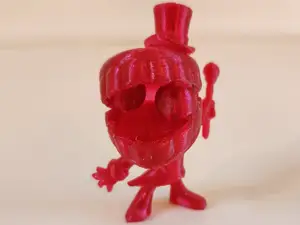
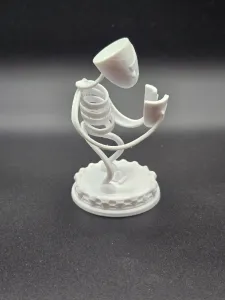
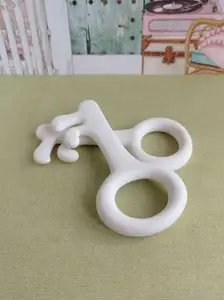


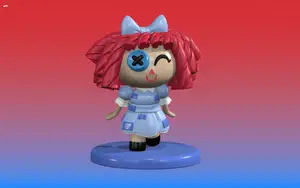

The models fall into a few clear groups. Character figures range from simple busts and full-body statues to multi-part kits that need assembly. Articulated and flexi toys are printed as one piece with built-in joints, so they move after printing. Masks and flat props, such as the comedy and tragedy masks, are usually printed in a few large parts, while magnets and other small accessories are scaled down to fit a fridge door or a shelf.
When choosing a model, open the author's page and read what is listed there: overall size and scale, the number of separate parts, whether supports are needed, and the material and settings the author used. For articulated toys, look at the joint clearance and the recommended layer height, since these decide whether the parts move after printing. Photos of real prints are more useful than renders for judging surface detail and how the model holds up at a smaller scale.
To narrow the search, try synonyms and related terms instead of one long phrase: the show's abbreviation, character figure, articulated toy, flexi, mask, magnet, or the names of individual characters. Combining a subject word with a format word such as STL, 3D print or figurine brings different results than the subject alone. If you want a scene rather than a single figure, search for props and set pieces, which often appear under separate listings.
Scaling is the most common adjustment. A figure that prints well at one size may have joints that fuse or gaps that open too wide at another, so check the author's notes before changing dimensions. Multi-part kits usually include alignment features, and printing them in the orientation shown on the page keeps the seams consistent.



Il catalogo completo dei temi, dalla casa alla lavorazione CNC, con ricerca su tutti i siti collegati.