Gratis 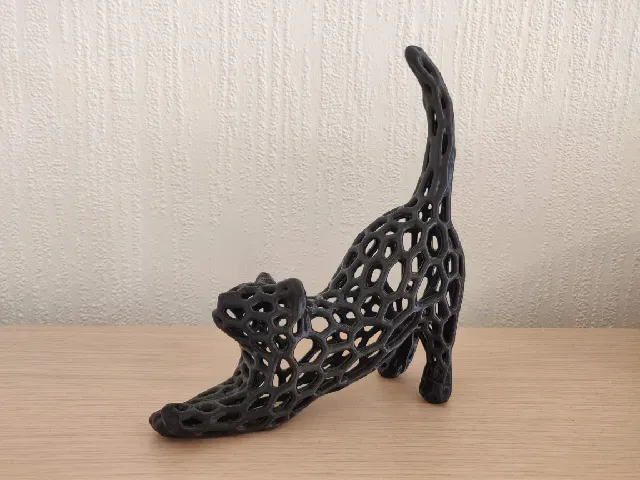
Cat Stretch Voronoi Remix
Printables
This collection gathers STL files built around voronoi patterns: lamps, animal figures, skulls and vases, among other objects. The open, cellular structure changes how familiar shapes read, and the spread of subjects gives you several starting points for 3D printing. Decorative pieces dominate, though desk and household items appear as well. Polyzon does not confirm whether models are free, their price, license, official status, affiliation, safety or fitness. Check the current terms at the source.
Il testo di questa raccolta è in inglese; la ricerca funziona in qualsiasi lingua.
 Una raccolta di Polyzon · 48 modelli da 7 siti
Polyzon compone questa raccolta a partire dai risultati di ricerca dei siti collegati. I doppioni e i modelli senza anteprima vengono rimossi, le corrispondenze deboli finiscono in fondo e il resto mantiene l’ordine dei risultati. I modelli appartengono ai rispettivi autori: verifica le condizioni sulla pagina di ciascun modello.
Criteri di selezione a cura della redazione di Polyzon · Testo aggiornato: 13/10/2026



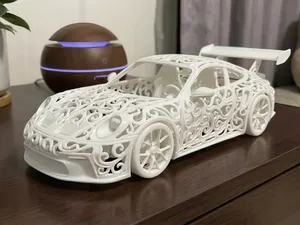


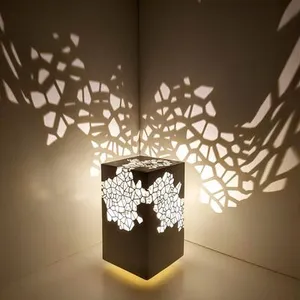
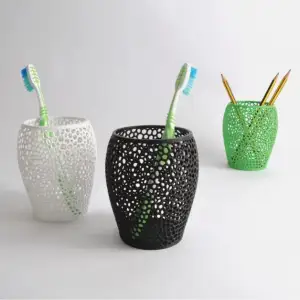
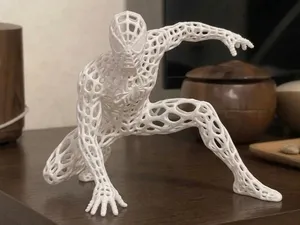


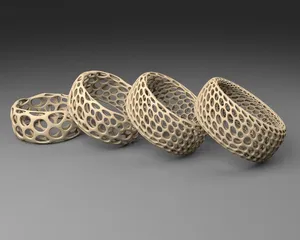

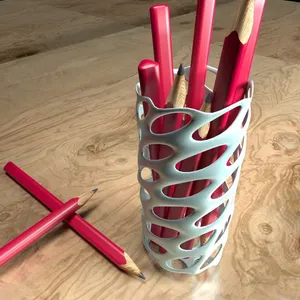

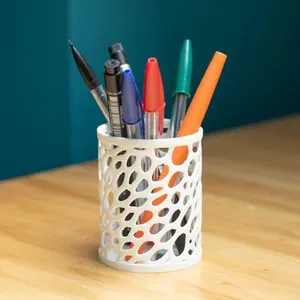
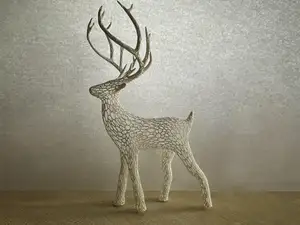

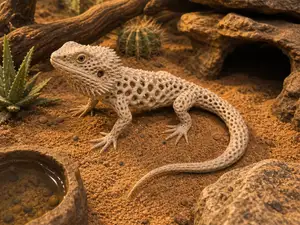


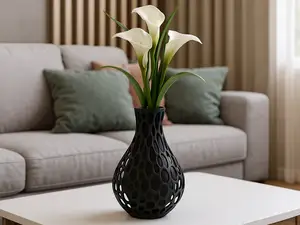
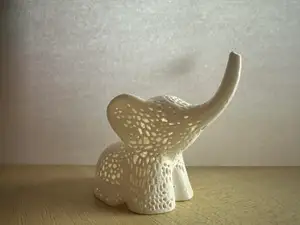
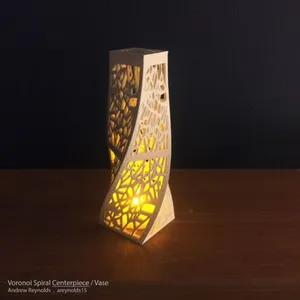


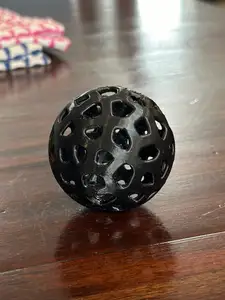


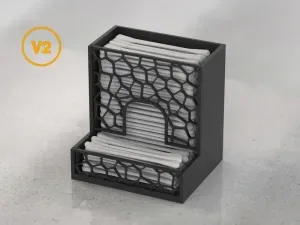
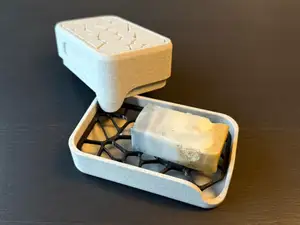
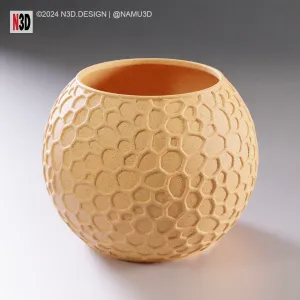
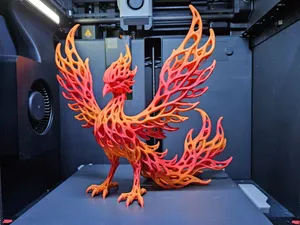
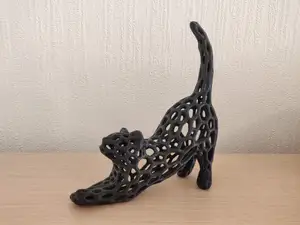

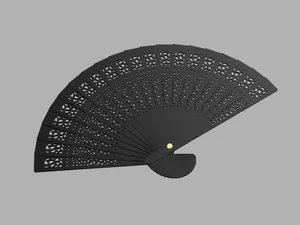

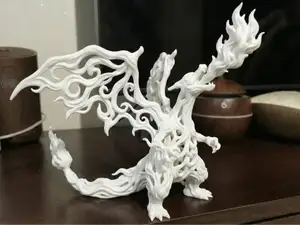
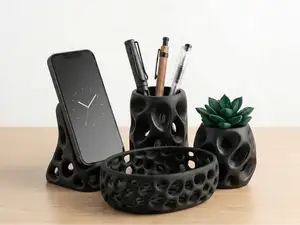
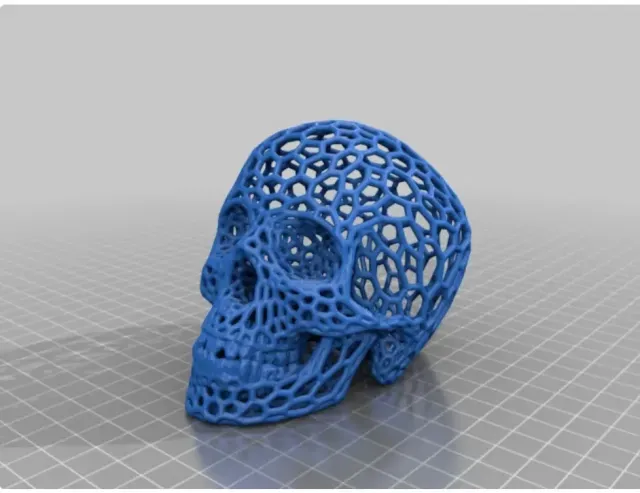
Lamps form one large group: the pattern is usually applied to a hollow shell so light passes through the openings, and the size of those openings affects how the light spreads. Animal figures and ornaments — deer, cats and similar shapes — tend to keep a recognizable silhouette while the surface is broken into cells. Skulls and character-based pieces often push the pattern further, with more separate struts and a busier surface. Vases, pencil holders and toothbrush holders sit closer to everyday use, where the pattern is mainly a visual treatment on a functional form.
When choosing, look at the wall thickness and at the thickness of individual struts, since thin connections are the parts that fail first during handling. Check the stated size and scale, the number of separate parts and how they join, and whether the author's page mentions support requirements for overhanging sections. Material and settings noted by the author give a starting point, and photos of finished prints show how the pattern reads at real size on a 3D printer.
Search results widen if you try related wording: cellular, organic lattice, honeycomb or perforated instead of voronoi alone. Adding an object type narrows things quickly — lamp, vase, planter, skull, deer, cat, bracelet, pencil holder. Pairing a style word with a subject, or with a season such as Christmas, brings up themed variants of the same idea.


Il catalogo completo dei temi, dalla casa alla lavorazione CNC, con ricerca su tutti i siti collegati.