

Gratis 
15mm WW1/WW2 village/church ruins- 20 different buildings
Thingiverse
This collection gathers WW2-themed 3D models: armored vehicles, aircraft, small arms and ordnance, light vehicles, and the ruins and buildings used to build scenes around them. Most files are made for 3D printing, so they arrive as STL meshes that you slice and scale yourself. It is a practical starting point if you want a historical subject for a display piece, a tabletop game or a diorama. Polyzon does not confirm whether models are free, their price, license, official status, affiliation, safety or fitness. Check the current terms at the source.
Il testo di questa raccolta è in inglese; la ricerca funziona in qualsiasi lingua.
 Una raccolta di Polyzon · 47 modelli da 6 siti
Polyzon compone questa raccolta a partire dai risultati di ricerca dei siti collegati. I doppioni e i modelli senza anteprima vengono rimossi, le corrispondenze deboli finiscono in fondo e il resto mantiene l’ordine dei risultati. I modelli appartengono ai rispettivi autori: verifica le condizioni sulla pagina di ciascun modello.
Criteri di selezione a cura della redazione di Polyzon · Testo aggiornato: 14/10/2026


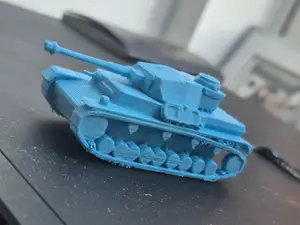

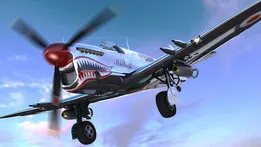


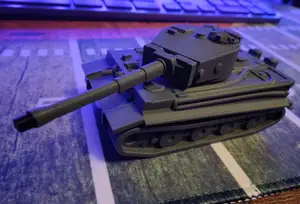
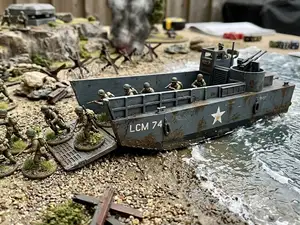

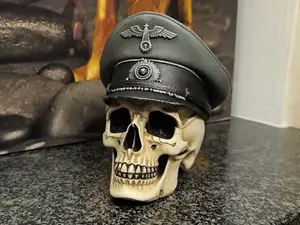

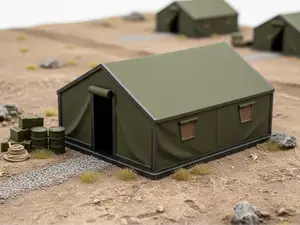






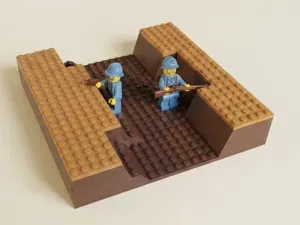
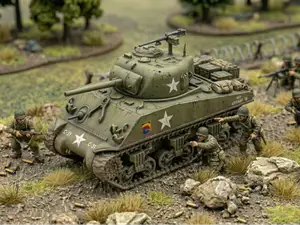


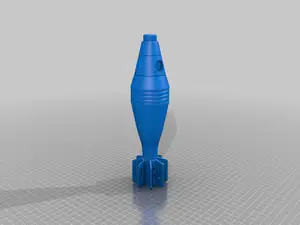


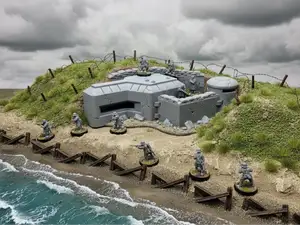
The subject matter splits along fairly clear lines. Armored vehicles dominate, usually offered in a stated scale such as 1:35, 1:72 or 1:64, and they range from single-piece hulls to multi-part kits with separate tracks, turrets and wheels. Aircraft and softskin vehicles like jeeps follow the same logic, while grenades, mortar rounds and similar ordnance are often modeled as display objects rather than as parts of a scene. Scenery is a separate group: ruined houses, bombed terrain and modular building sections that set a scene without any vehicle in it.
When you open a model page, read the details before downloading. Check the stated scale and compare it with the other pieces you plan to place next to it, since mixing scales is the most common reason a project looks off. Look at how many parts the author lists and whether assembly is expected, whether the model is split for printing or comes as one piece, and whether supports are mentioned. The material and settings the author recommends, plus photos of actual prints, tell you more about the result than the render does.
If the collection feels narrow, widen the wording rather than the subject. Armor searches also work with terms like AFV, military vehicle or wargaming miniature, and scale notations such as 1:35, 1:72 or 28mm bring up different sets of files. Aircraft can be found under air force, fighter or bomber, and scenery under terrain, rubble, bunker or diorama base. Combining a subject with a use case, for example a tank with tabletop or a building with terrain, tends to surface models that a single keyword misses.


Il catalogo completo dei temi, dalla casa alla lavorazione CNC, con ricerca su tutti i siti collegati.

