
Gratis 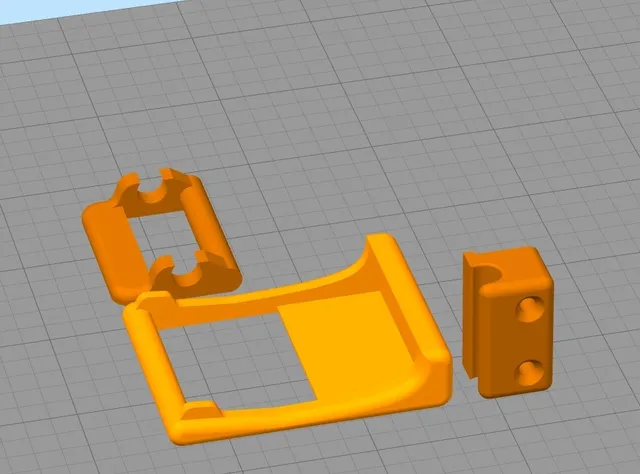
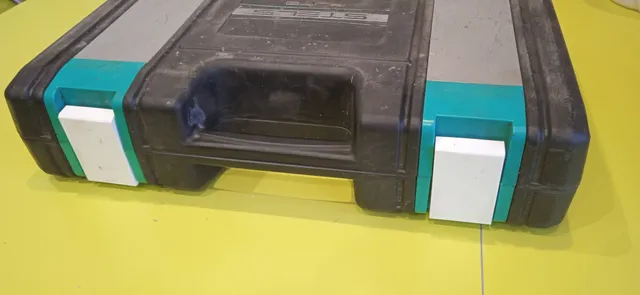
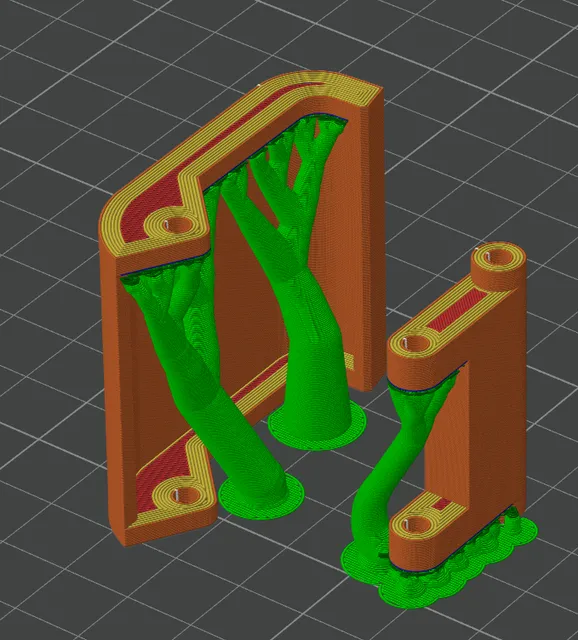
Накидная защелка (чемоданная) на ящик с инструментами Apellas
3DToday
This collection gathers 3D models of boxes, drawers and cases that close with latches, from single latch parts to complete containers with lids. It is useful when a plastic catch on a tool box or drawer has broken and you want to print a replacement instead of buying a new case. Most files are made for desktop 3D printing in common filaments, though each author sets their own scale and tolerances. Polyzon does not confirm whether models are free, their price, license, official status, affiliation, safety or fitness. Check the current terms at the source.
Il testo di questa raccolta è in inglese; la ricerca funziona in qualsiasi lingua.
 Una raccolta di Polyzon · 48 modelli da 6 siti
Polyzon compone questa raccolta a partire dai risultati di ricerca dei siti collegati. I doppioni e i modelli senza anteprima vengono rimossi, le corrispondenze deboli finiscono in fondo e il resto mantiene l’ordine dei risultati. I modelli appartengono ai rispettivi autori: verifica le condizioni sulla pagina di ciascun modello.
Criteri di selezione a cura della redazione di Polyzon · Testo aggiornato: 11/10/2026


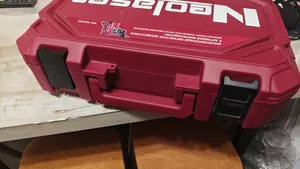

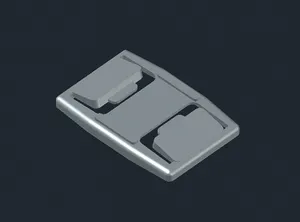

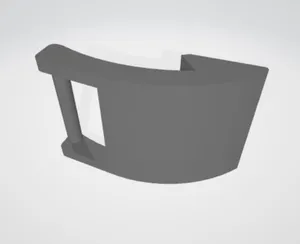
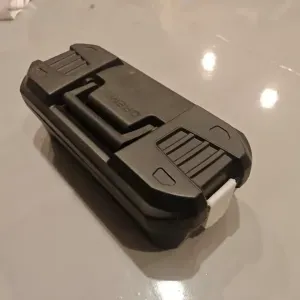
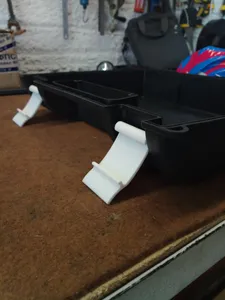


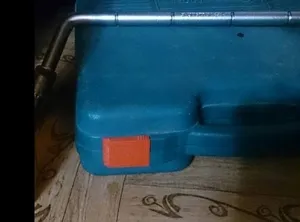
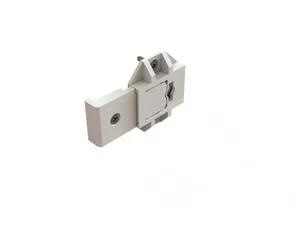
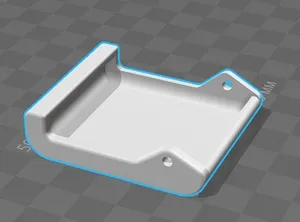


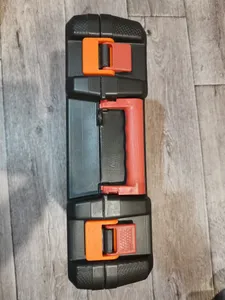

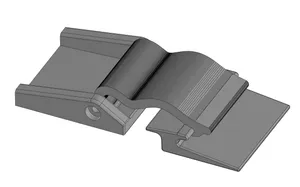

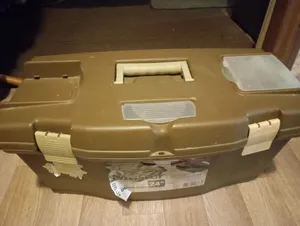
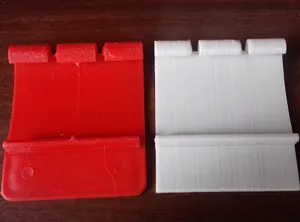
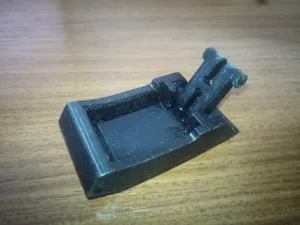


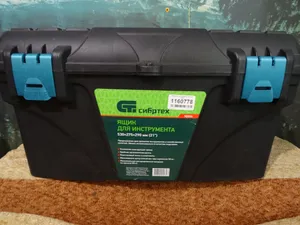
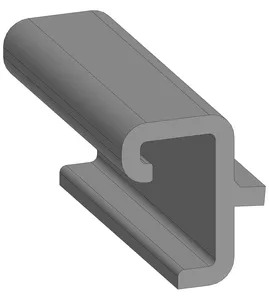

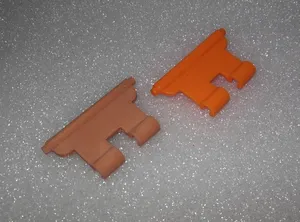
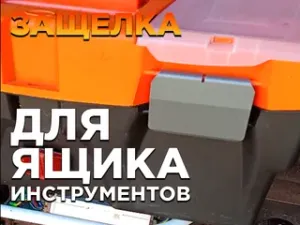

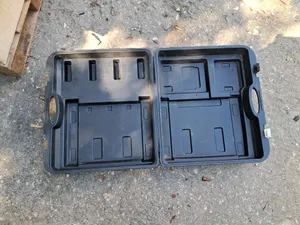

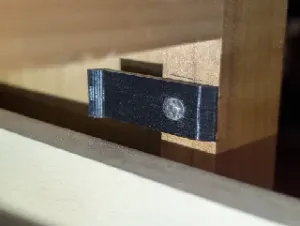
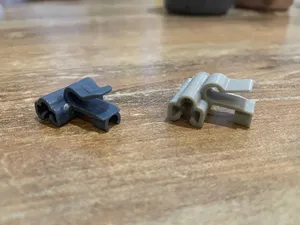


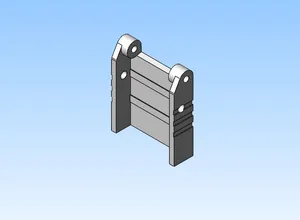


The models fall into a few groups. There are separate latches meant to be mounted on an existing box or drawer, snap-fit catches for lids, and full boxes where the latch is part of the printed body. Some designs are parametric: you set the wall thickness, the number of compartments or the latch size before exporting the STL, which helps when the original part no longer exists.
When choosing a model, look at the dimensions on the author's page and compare them with the part you are replacing, since a latch that is a few tenths of a millimetre off may not hold. Check how many parts the design has and whether they are meant to be glued, screwed or snapped together, and read the material and settings the author lists — latches that flex need a filament that tolerates repeated bending. Photos of real prints are the quickest way to judge how the catch engages and how much clearance it leaves.
To widen the search, try synonyms such as catch, clasp, clip, snap or toggle alongside box, drawer, case and lid, and add the object the latch belongs to, for example tool box, storage box or instrument case. Related topics worth opening are hinged boxes, compartment organisers and parametric storage containers, since these often include a latch variant in the same file set.


Il catalogo completo dei temi, dalla casa alla lavorazione CNC, con ricerca su tutti i siti collegati.