
$ 13.20 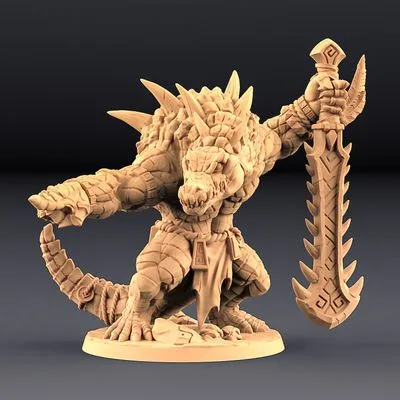
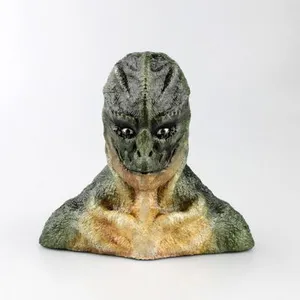
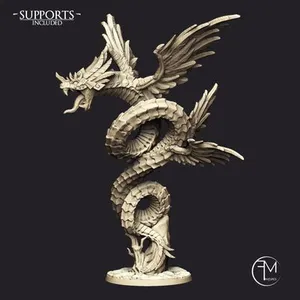
Zantharot the Lizard Champion
MyMiniFactory
This collection gathers lizard 3D models for 3D printing: articulated flexi figures, meme-inspired characters, small cute lizards and keychain-scale versions. Many files are STL and built as one-piece prints with moving segments. It helps you compare the different approaches before opening a model page. Polyzon does not confirm whether models are free, their price, license, official status, affiliation, safety or fitness. Check the current terms at the source.
Il testo di questa raccolta è in inglese; la ricerca funziona in qualsiasi lingua.
 Una raccolta di Polyzon · 48 modelli da 6 siti
Polyzon compone questa raccolta a partire dai risultati di ricerca dei siti collegati. I doppioni e i modelli senza anteprima vengono rimossi, le corrispondenze deboli finiscono in fondo e il resto mantiene l’ordine dei risultati. I modelli appartengono ai rispettivi autori: verifica le condizioni sulla pagina di ciascun modello.
Criteri di selezione a cura della redazione di Polyzon · Testo aggiornato: 12/10/2026


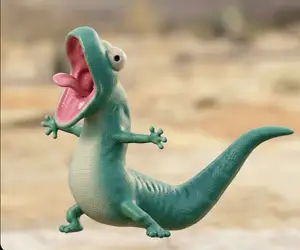
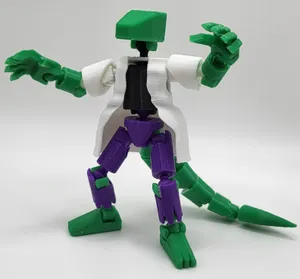


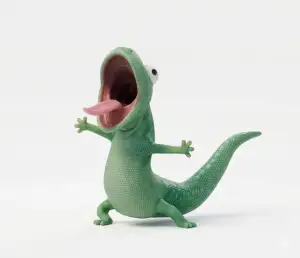
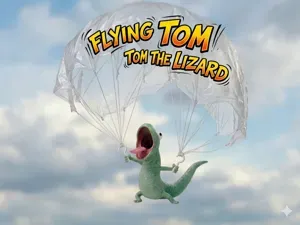

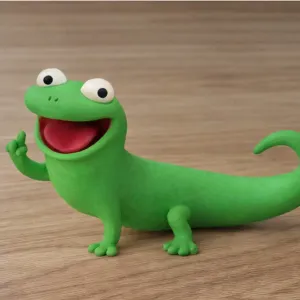

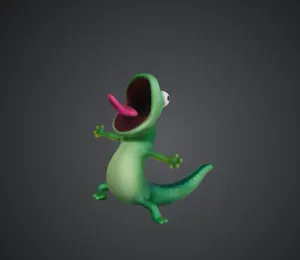
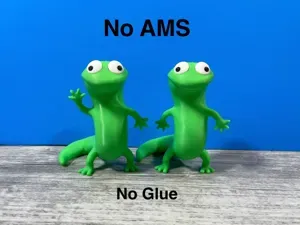
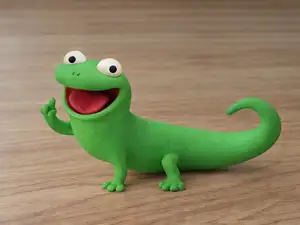
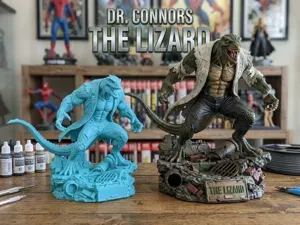


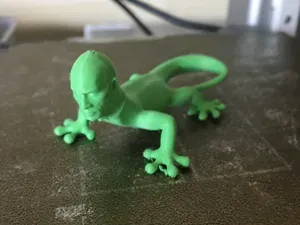
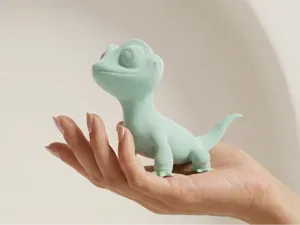

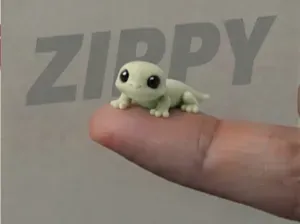
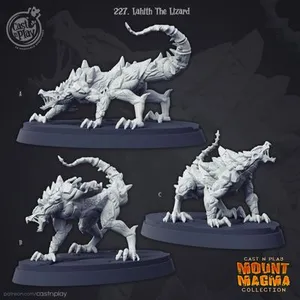
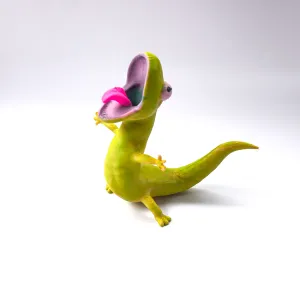


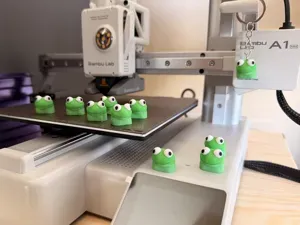
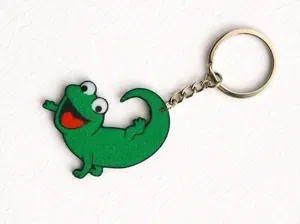

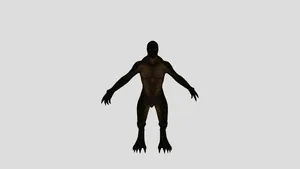
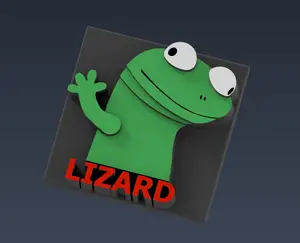
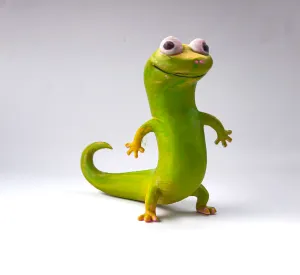
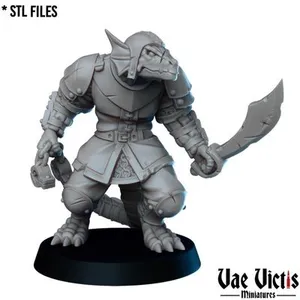

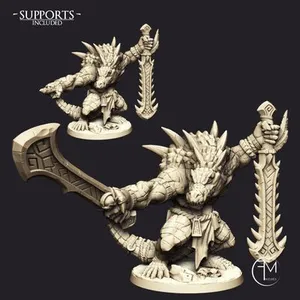
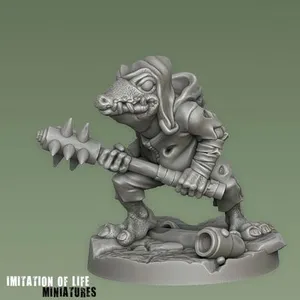


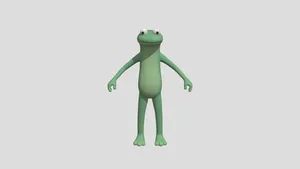
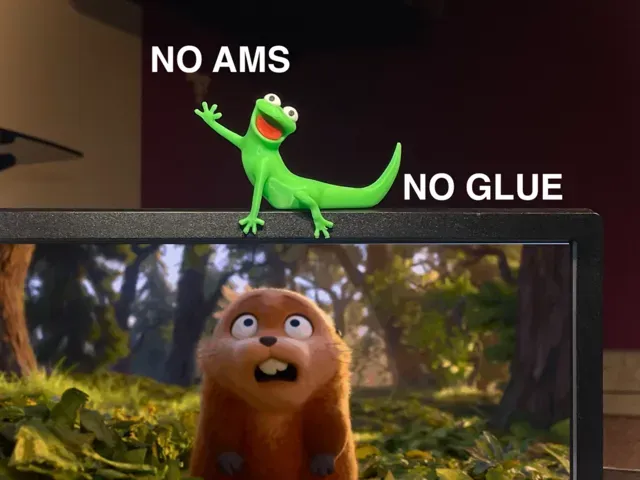
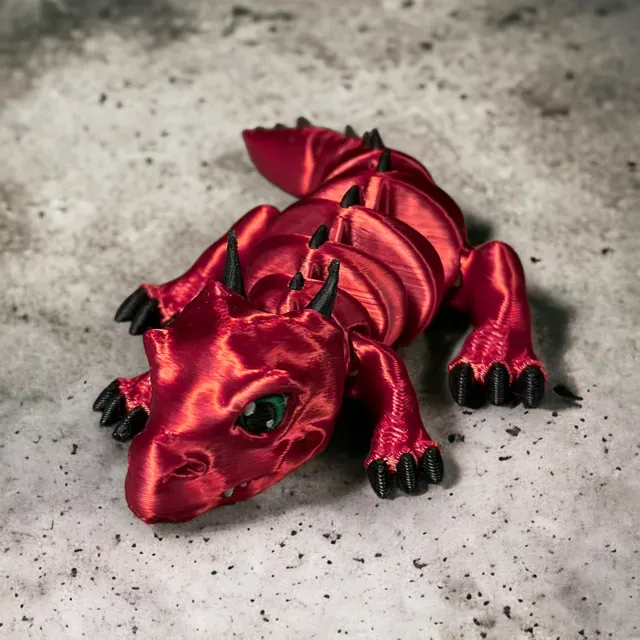
Articulated lizards form one clear group: the body is divided into segments joined by printed hinges, so the figure bends and holds a pose after printing. Meme and character versions use the same construction with a recognisable pose or expression, while cute small lizards keep the silhouette simple and compact. Armadillo-style models differ in the textured back and rounder shape, and keychain versions shrink the whole figure to a few centimetres with a hole for a ring.
Before printing, read what the author lists on the model page: overall size and scale, number of parts and how they assemble, and whether supports are needed for the intended orientation. Joint clearance matters on flexi designs, since segments printed too tight will not move. Material and settings are worth checking as well, and photos of real prints show how the joints, legs and thin tails come out.
Search results widen quickly if you try related words such as gecko, skink, chameleon, dragon or dinosaur, combined with terms like articulated, flexi, print-in-place or keychain. Adding a style or use word, for example desk toy, multi-material or holiday, narrows the list further. If a model is too large or too small for the planned print, adjust the scale in the slicer and check the joint gaps again.




Il catalogo completo dei temi, dalla casa alla lavorazione CNC, con ricerca su tutti i siti collegati.